
Explore Sanxin technical guides →
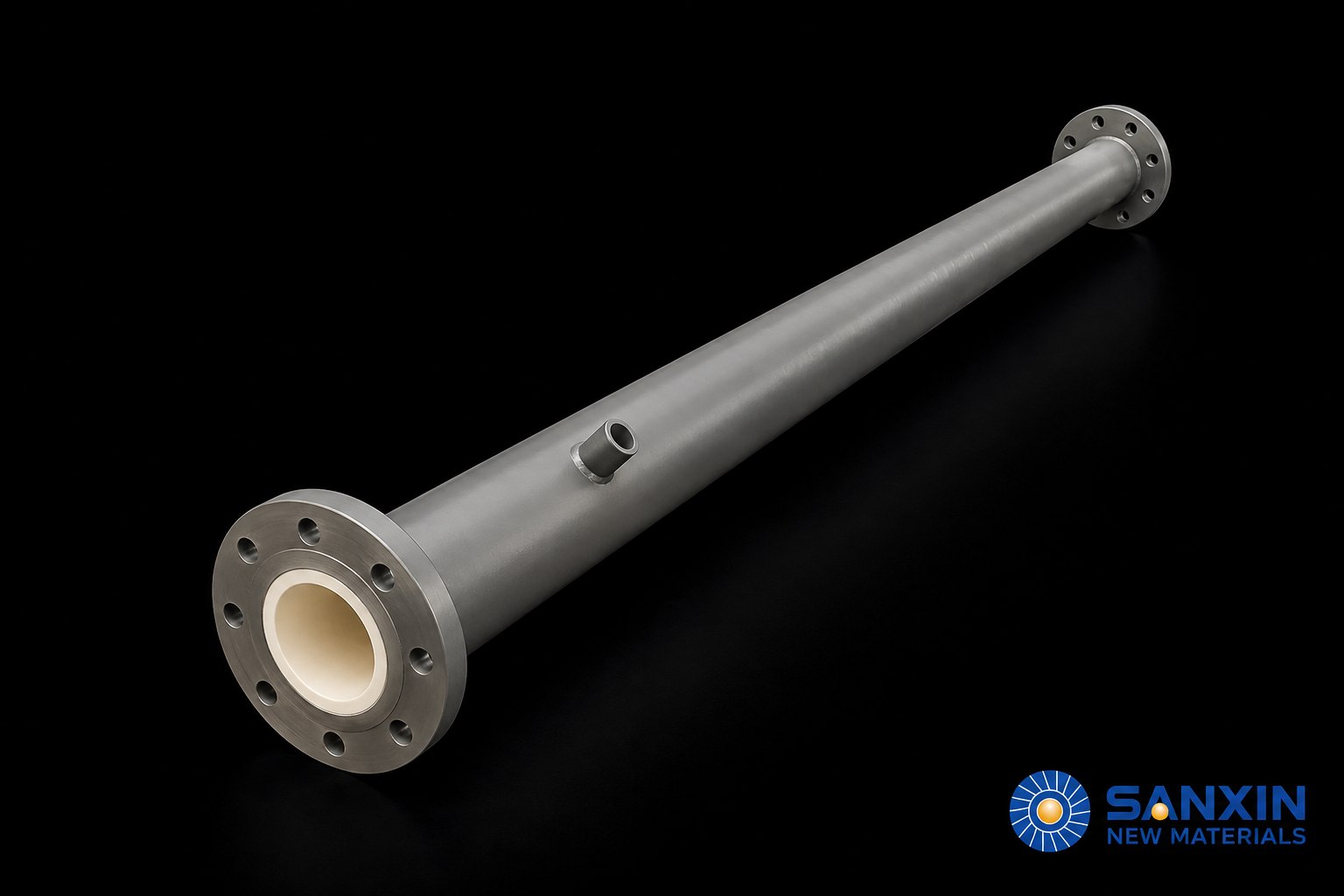
Organize quotations for unresolved ceramic pipe duty options so construction, evidence gaps and commercial assumptions remain attached to the scenario they describe.
Use external dust observations to frame the actual equipment question without interpreting their appearance as a measurement of remaining internal ceramic lining.
Clarify whether an ash-system counter represents commands, completed transfer or another defined event before using it as ceramic pipe exposure evidence.
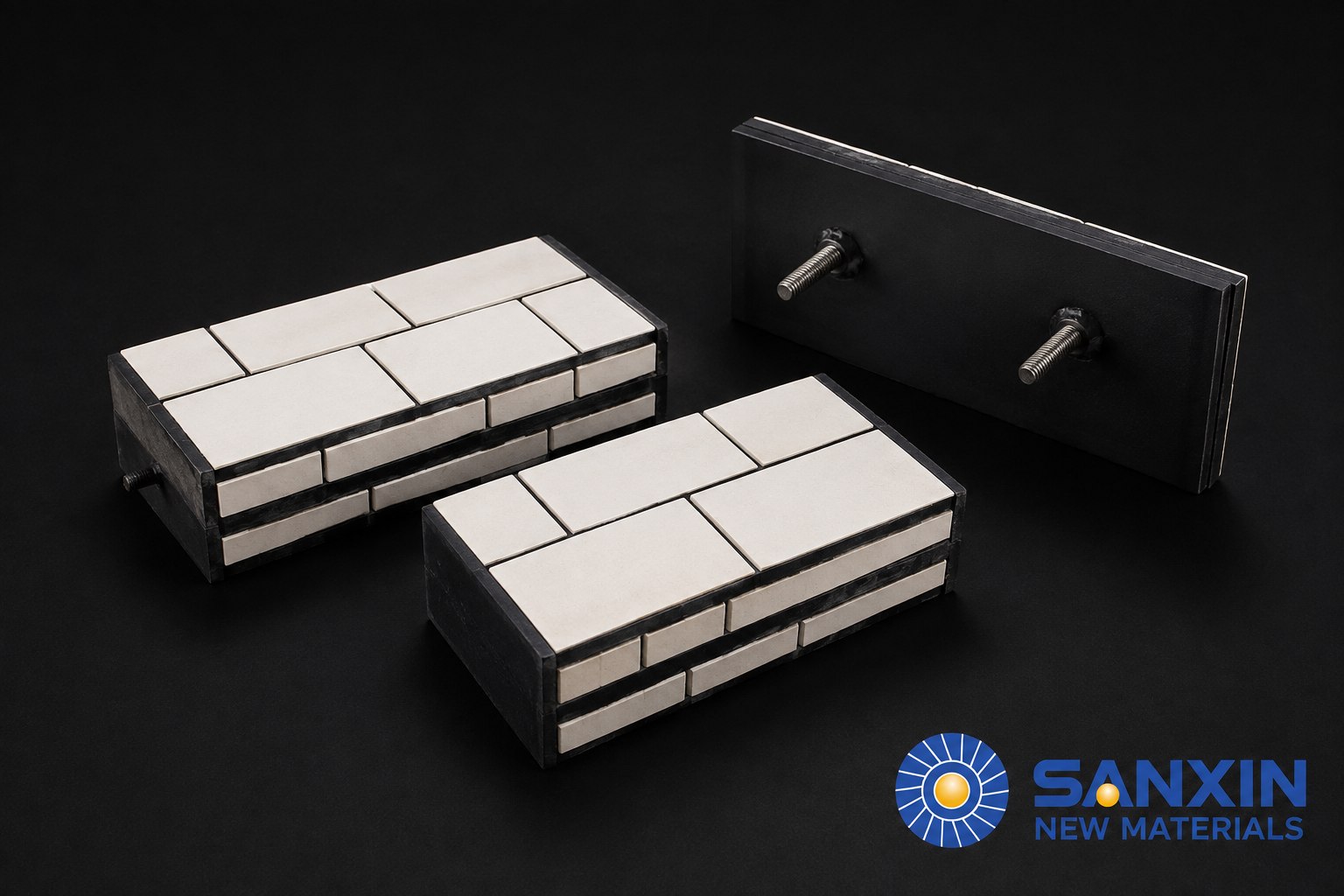
Define the denominator and status behind a ceramic panel coverage percentage so measured, supplied, installed and accepted areas remain distinguishable.
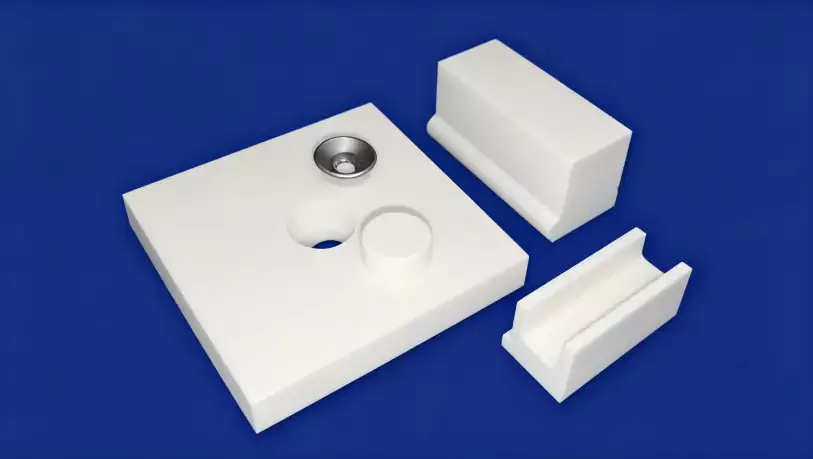
Clarify whether an abrasion result reports total loss or a defined rate, with test duration and method retained before comparing alumina with another material.
Keep distinct wear-lining material families identifiable instead of allowing a generic hard-lined pipe label to hide an undocumented replacement material.
Preserve pre-removal observations and preparation history before interpreting broken ceramic recovered during lining removal as evidence of operating failure.
Include relevant external cleaning contact and exposed assembly boundaries in a dry fly-ash pipe brief without assuming every material remains isolated from that exposure.
Keep starting material information separate from identified finished ceramic layer evidence when reviewing a reaction-formed pipe lining proposal.
Include the actual installed inclination and support arrangement in a ceramic pipe proposal instead of treating a generic horizontal drawing as complete construction evidence.
Do not use gloss or a household-ceramic appearance as a substitute for the offered alumina material, surface construction and actual industrial acceptance requirements.
Use installation work-zone records in a ceramic detachment investigation without assuming that a crew boundary explains the observed damage pattern.
Keep the examined material and reporting basis explicit when solid and liquid information are assembled into a ceramic pipe duty brief.
Locate primary and subsequent material contacts separately when describing impact duty for a ceramic rubber liner proposal, without inferring particle paths from marks alone.
Keep drawing dimensions and accepted references distinct from the apparent size of a printed or on-screen spare-panel illustration.
Read adhesive component-order and mass-or-volume notation from the identified product instruction rather than assuming that A/B labels establish a universal mixing relationship.
Control the relationship between revised attachment-hole details and loose closures across split ceramic plate deliveries without inferring compatibility from appearance.
Preserve the observed location, stage and scope of moisture around protected ceramic pipe ends before deciding what examination or product-specific disposition is required.
Review a proposed alumina forming-route change through finished geometry, supply boundaries and applicable evidence instead of accepting a process label alone.
Specify ceramic tile identification in a way that preserves grade and position traceability without assuming an unapproved mark is acceptable on every surface.
Define which pipe surfaces and supplied sections receive ceramic lining rather than assuming the entire quoted coal-powder assembly has identical internal coverage.
Keep the machine owner operating-state clearance requirements separate from a cold installation fit check when considering ceramic wear protection.
Align straight pipe lengths, fitting quantities and defined end construction before comparing commercial totals for ceramic-lined route alternatives.
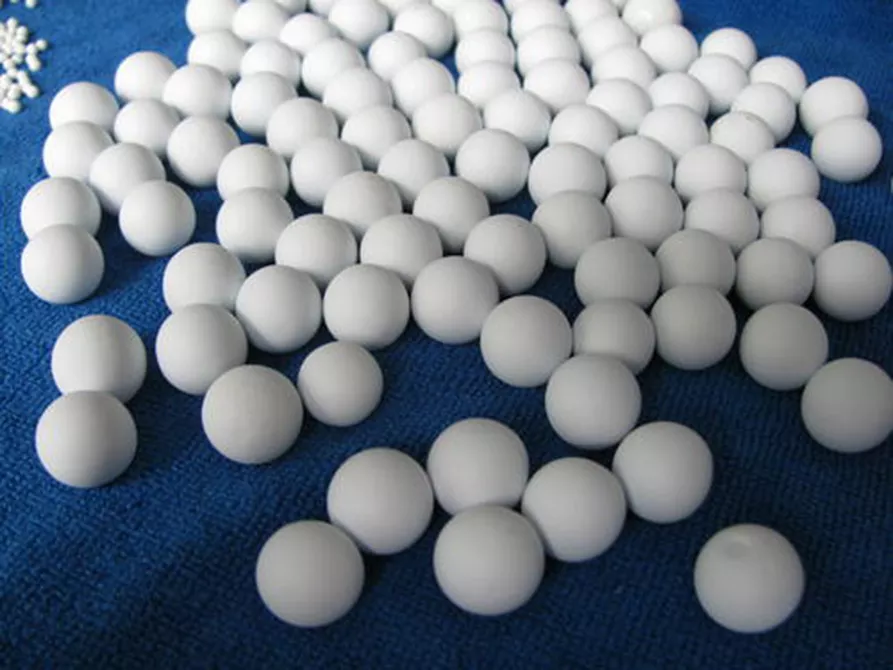
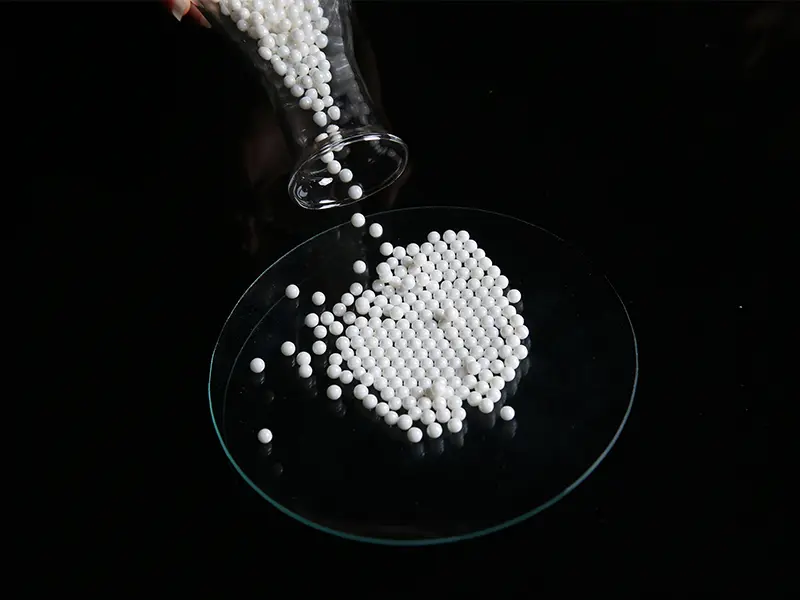
Clarify whether a bead offer identifies stabilized zirconia, zirconium silicate or another specified composition before comparing grinding-media requirements.

Submit your demand,
we will contact you ASAP.

Sanxin New Materials Co., Ltd. focus on producing and selling ceramic beads and parts such as grinding media, blasting beads, bearing ball, structure part, ceramic wear-resistant liners, Nanoparticles Nano Powder


 English
 English
 Russian
 French
 Spanish
 Portuguese
 Arabic