
Explore Sanxin technical guides →
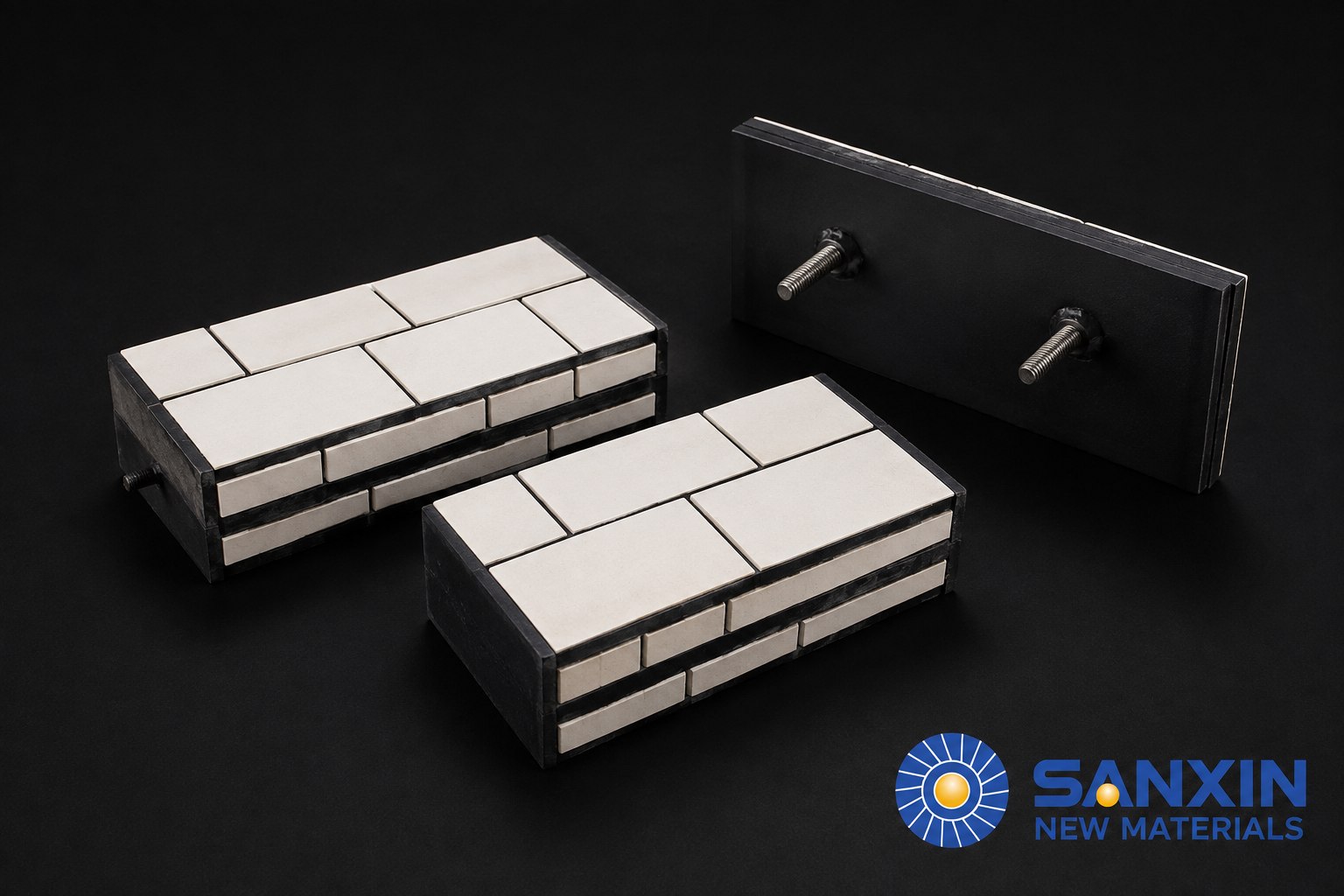
Identify which rubber deterioration question a report actually examines before applying it to rubber ceramic mixer panels or other composite liners.
Separate a motor's rated power description, actual power observations and energy consumption evidence before reporting ceramic grinding-media energy performance.
Interpret adhesive visible at a plate boundary within its actual examined scope instead of treating edge appearance as evidence of every concealed bond region.
Keep a shipment indicator observation separate from the actual ceramic condition, device identity and responsible receiving disposition.
Retain the paired service records and calculation question before combining reported liner-life ratios into a broader performance statement.
Retain in-plane, through-thickness and specimen orientation information in ceramic conductivity evidence without assuming every grade behaves identically in all directions.
Identify the actual hydrocyclone stream behind each sample and report so inlet and outlet results remain attached to the material population examined.
Preserve physical ceramic stock quantities when consolidating inventory codes, distinguishing a record transfer from an additional physical receipt.
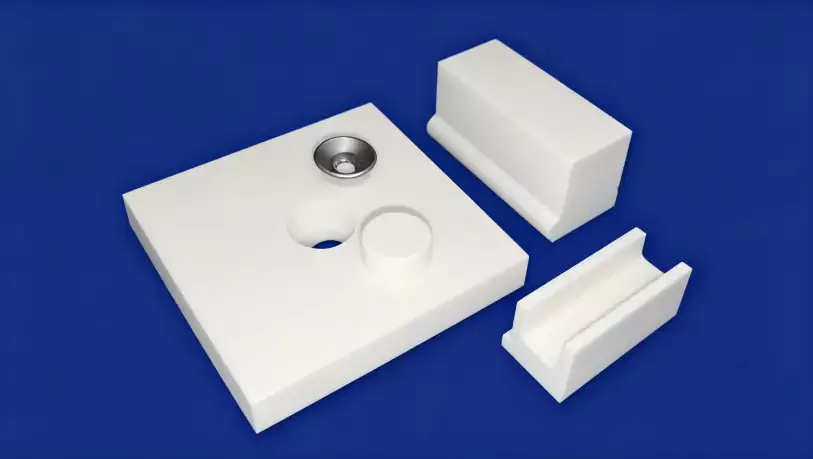
Identify the difference between an individual alumina tile dimension and the repeat spacing of the installed layout before checking fit or ordering replacements.
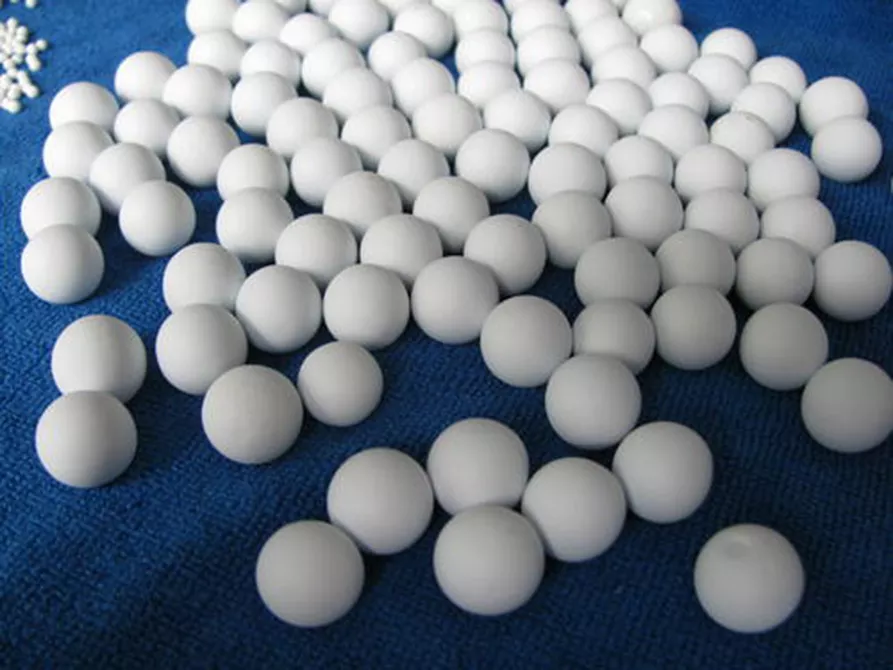
Keep mill trial output, silo inventory and blended cement samples connected without attributing a mixed downstream result to one grinding-media condition.
Preserve the original quantity definition and units of a laboratory wear result before comparing load-normalized, distance-based or time-based report fields.
Read the currency, quantity unit and included supply scope before comparing steel and ceramic media quotations or claiming a cost advantage.
Identify ceramic pieces associated with an actual removable mill cover, its accepted boundaries and its own records rather than absorbing them into shell-course quantities.
Keep the observed extent and evidence basis of a coal-chute accumulation separate from a confirmed obstruction of its complete passage during ceramic liner evaluation.
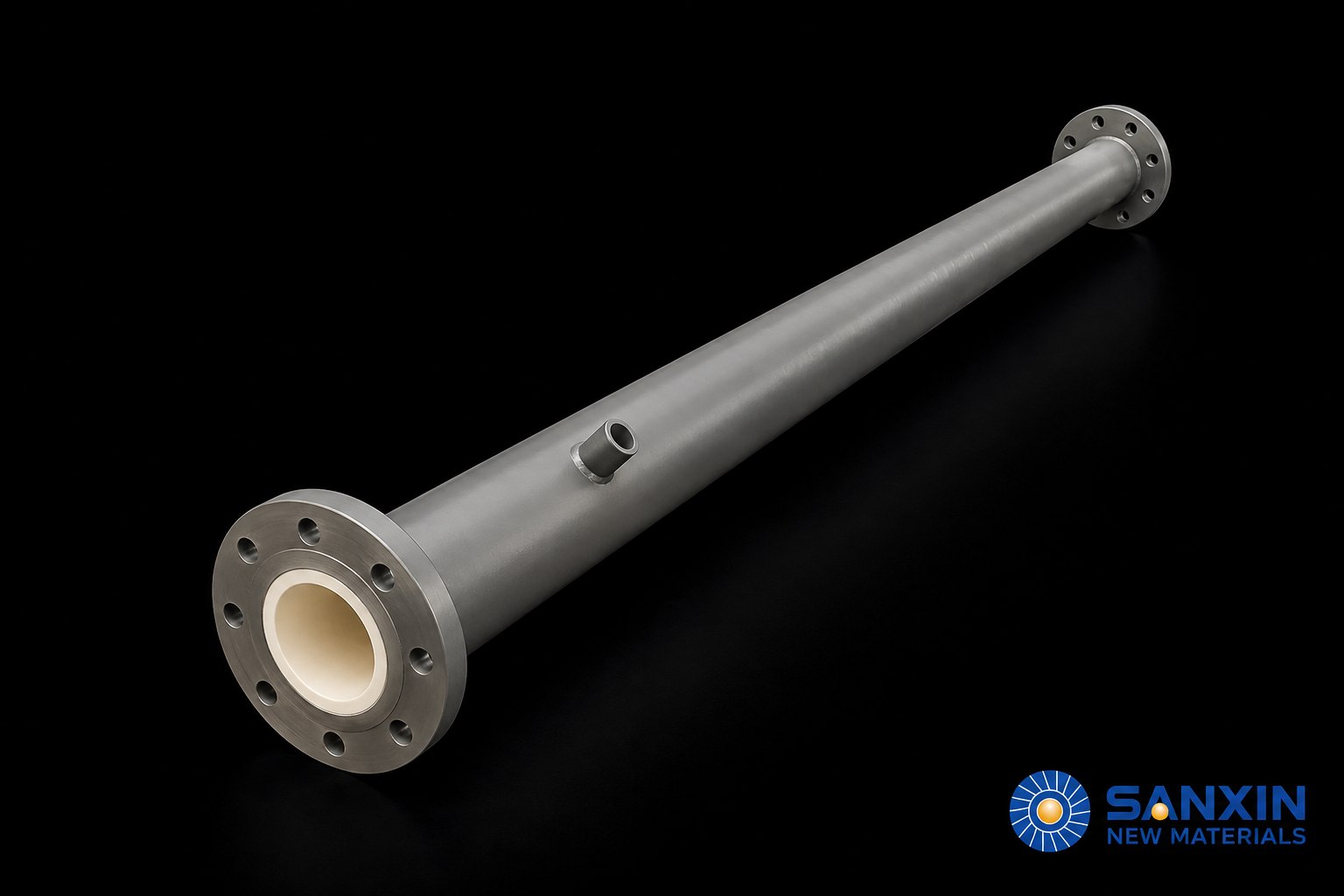
Map a ceramic pipe or wear-part request to the actual hydrocyclone stream and connection instead of treating every nearby component as cyclone feed duty.
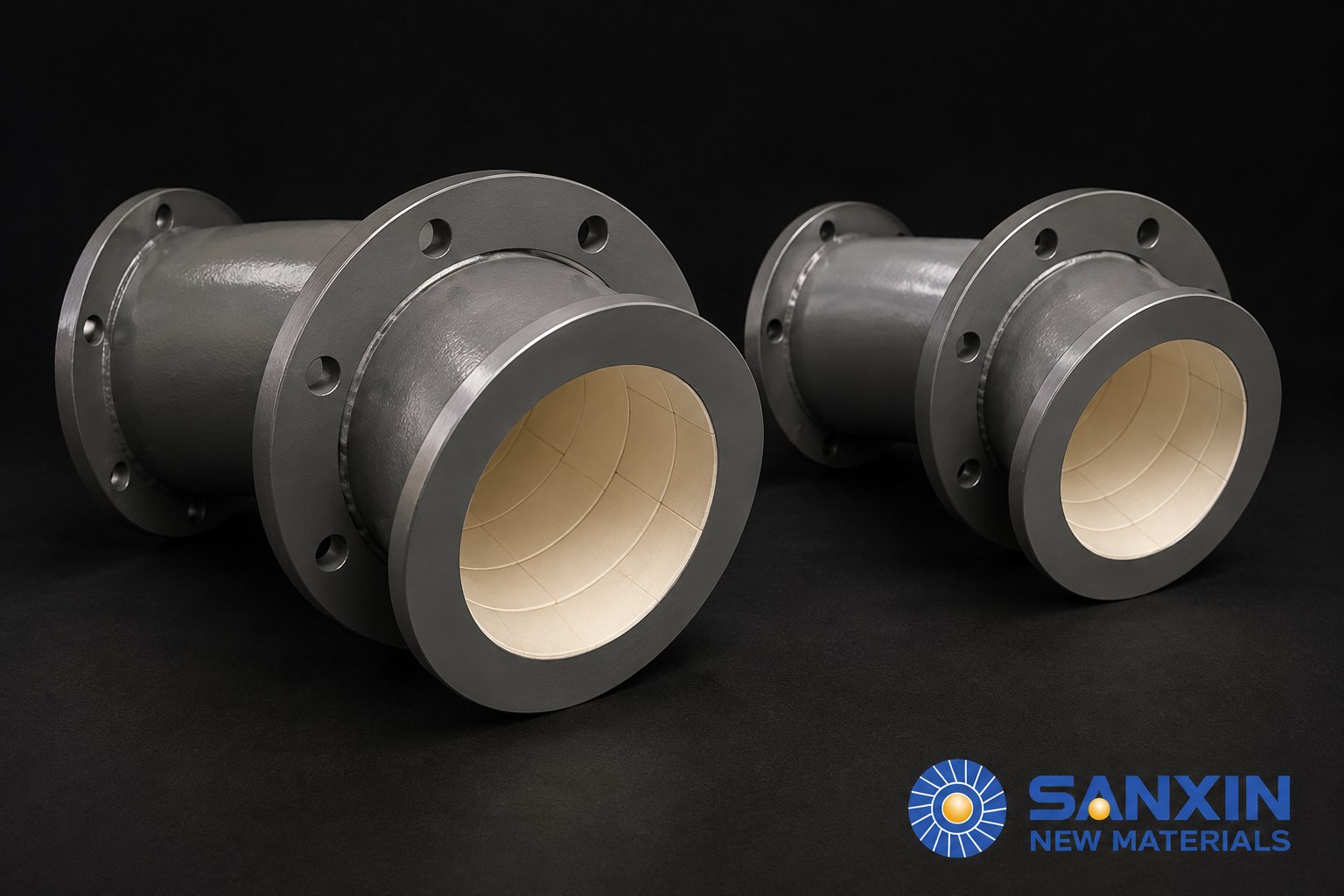
Identify straight end extensions, curved geometry and complete connection dimensions separately before comparing ceramic elbow offers or replacement drawings.
Preserve the different subjects of air humidity and a coal sample moisture result when preparing a ceramic elbow application record.
Keep who attended an examination separate from its actual recorded result and release decision in a ceramic lining installation package.
Describe noncircular sections and a changing passage size as different geometric observations, with the actual drawing and examination references.
Keep the geometric path and surface reference with a curved ceramic piece's length requirement instead of comparing a curved length with an unqualified straight measurement.
Keep available plate features, owner-designated retention positions and actual completed attachments separately identified in a ceramic plate work record.
Identify which supplied face and completion state a surface requirement concerns rather than use one general appearance description for every feature of an alumina part.
Keep the physical subject and reporting endpoint of a rubber compression-set result distinct from a claimed dynamic recovery time of a complete ceramic rubber panel.
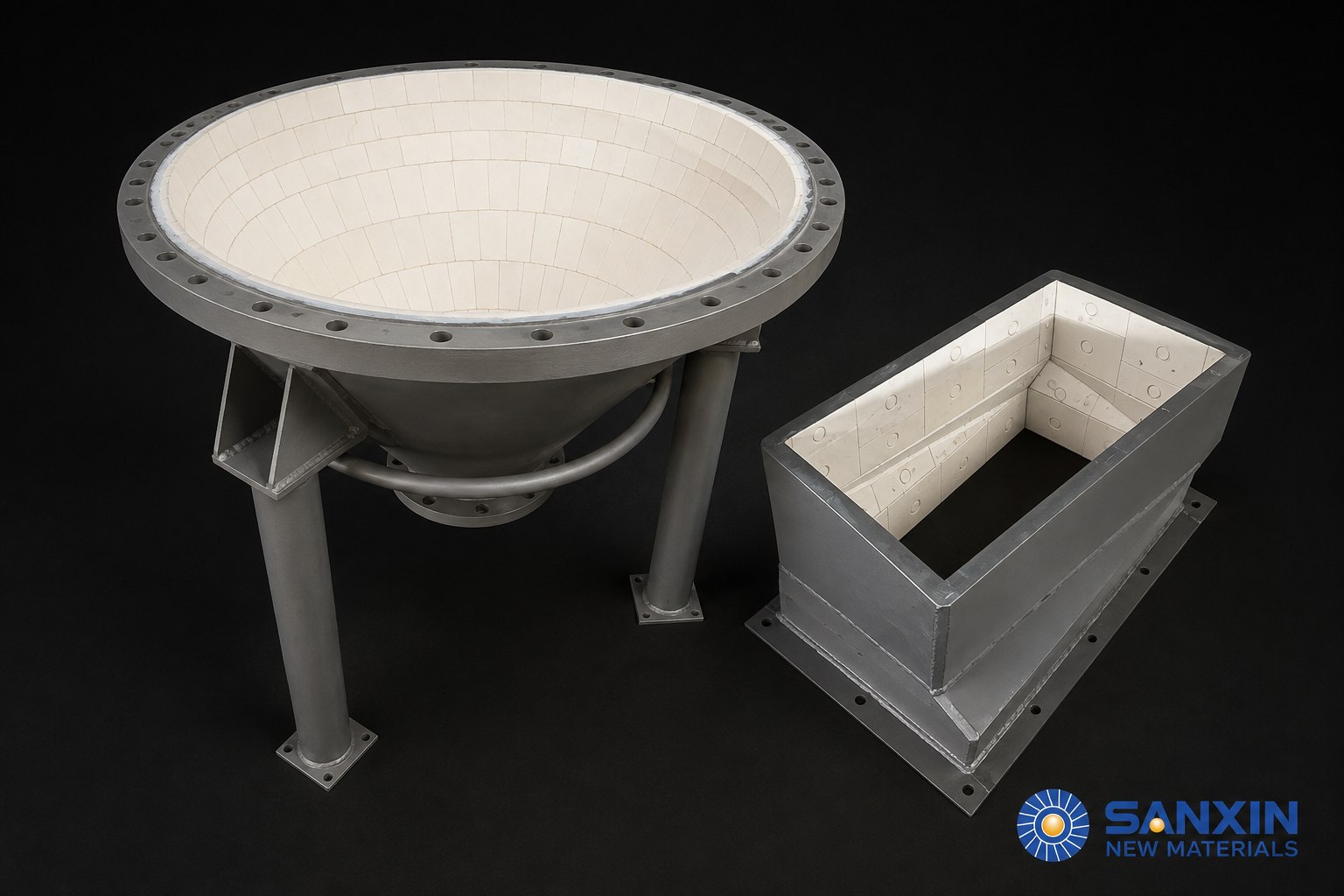
Identify owner-defined mixing features and the shell wear surface separately when preparing a ceramic lining proposal for a cylindrical mixer.

Submit your demand,
we will contact you ASAP.

Sanxin New Materials Co., Ltd. focus on producing and selling ceramic beads and parts such as grinding media, blasting beads, bearing ball, structure part, ceramic wear-resistant liners, Nanoparticles Nano Powder


 English
 English
 Russian
 French
 Spanish
 Portuguese
 Arabic