



Include the complete proposed assembly and support references when replacing a coal powder pipe spool with a ceramic lined construction.

Preserve units, measurement references and operating context when preparing ceramic application information across plants or suppliers.
Keep metallic work references and ceramic coverage linked so required examination and final construction records remain traceable before concealment.
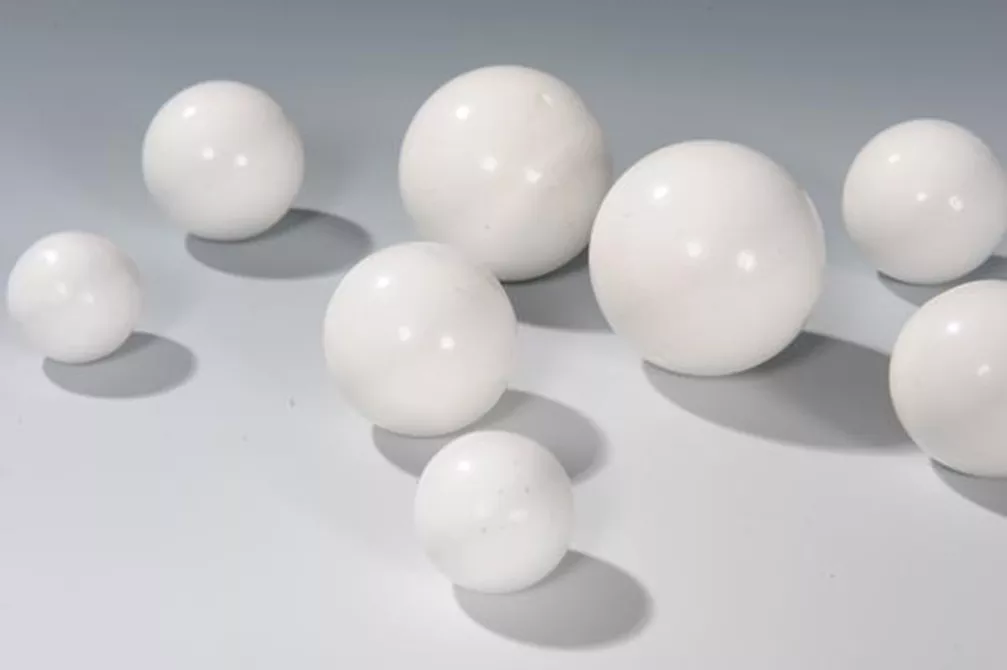
Preserve the identity, exposure and disposition of recovered bed-support balls instead of treating visibly intact ceramic as unused replacement media.
Identify the retained and new sections of a curved hydrocyclone lining set so a partial renewal preserves accepted mating references and component history.
Clarify inner-face, support-face and side references for trapezoidal pipe lining tiles before interpreting measurements or accepting an apparent size mismatch.

Keep port cargo campaign, residue and cleaning history with composite liner observations instead of diagnosing the ceramic from an unidentified surface deposit.
Clarify what a plant record means by large lumps before using it to review ceramic rubber panel impact evidence and the actual supported assembly.
Interpret temperature evidence in a hot-service liner detachment review without treating an alarm setting, operator estimate and measured record as equivalent.

Preserve item-to-position identity when several mining or coal ceramic elbows arrive under one purchase order and begin separate installed histories.
Distinguish a panel that can be removed from a panel and attachment arrangement accepted for reuse after examination and controlled reinstallation.
Keep owner-defined drainage and residual-contact requirements explicit when ceramic protection changes a pipe bore, low point or adjoining internal transition.
Distinguish the manufacturing pressure used to form a ceramic tube from the separate design and assembly evidence required for the tube intended service.
Preserve condition evidence at dispatch, receipt and internal movement before assigning when a composite ceramic panel discrepancy occurred.

Keep adjacent crew work zones and shared joint completion explicit so a ceramic installation boundary is not assumed accepted by both teams.
Request controlled profile references for curved hydrocyclone ceramic pieces instead of treating one nominal radius as a complete fit specification.
Review the complete identified ceramic pipe report package instead of interpreting an isolated result table without its scope, notes or referenced attachments.
Keep reported ceramic hardness separate from spreadsheet conversions, with the conversion source, applicability and original result available for technical review.
Keep the machine owner operating-state clearance requirements separate from a cold installation fit check when considering ceramic wear protection.
Align straight pipe lengths, fitting quantities and defined end construction before comparing commercial totals for ceramic-lined route alternatives.

Clarify whether a bead offer identifies stabilized zirconia, zirconium silicate or another specified composition before comparing grinding-media requirements.
Review inspection and removal access for an explicitly offered external elbow feature without inferring its function or acceptance from the backpack product name.
Distinguish adsorbent spheres from identified grinding media and other alumina ball duties before using a shared appearance or material name to select a product.
Keep distinct wear-lining material families identifiable instead of allowing a generic hard-lined pipe label to hide an undocumented replacement material.

Submit your demand,
we will contact you ASAP.

Sanxin New Materials Co., Ltd. focus on producing and selling ceramic beads and parts such as grinding media, blasting beads, bearing ball, structure part, ceramic wear-resistant liners, Nanoparticles Nano Powder


 English
 English
 Russian
 French
 Spanish
 Portuguese
 Arabic

