
Explore Sanxin technical guides →
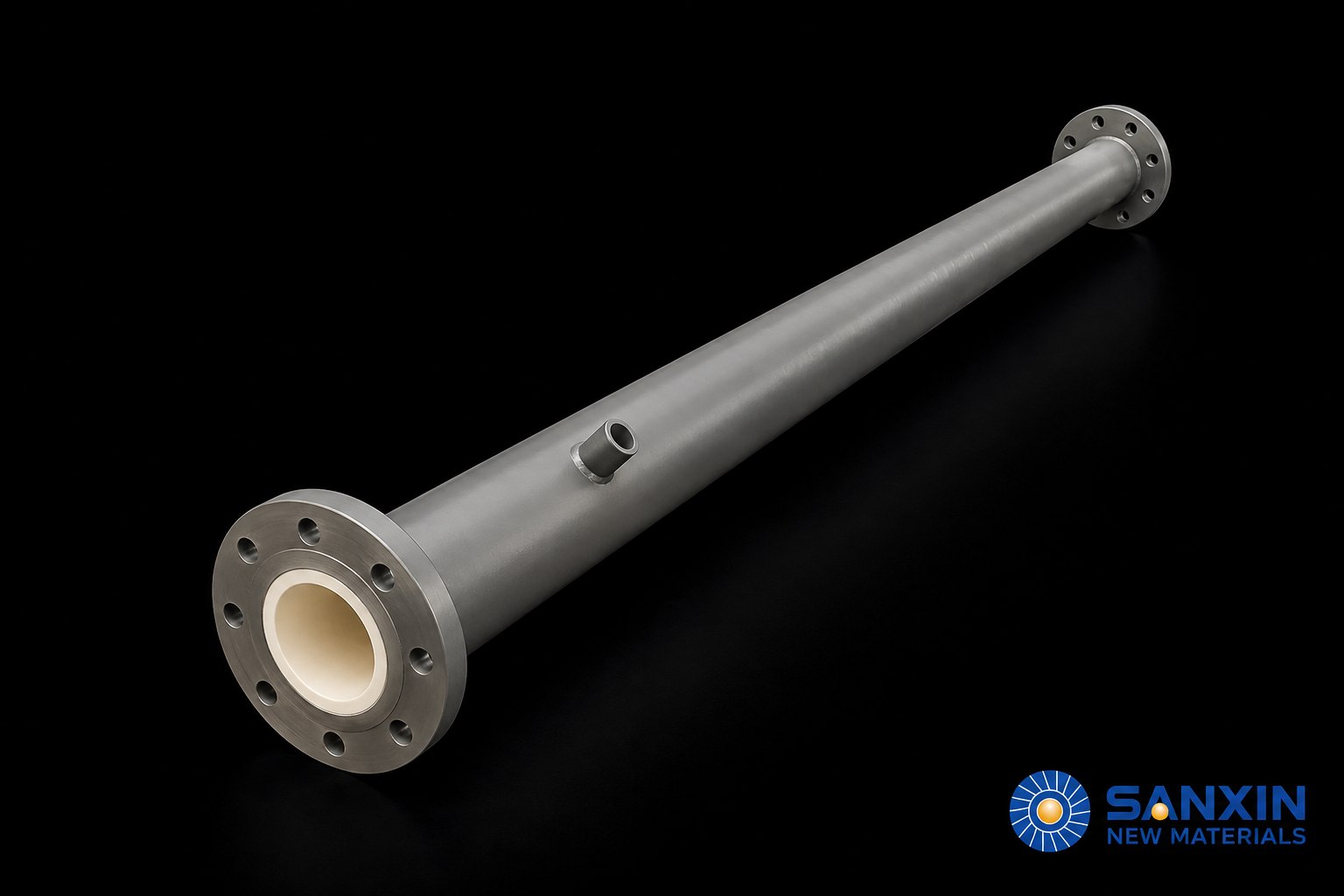
Review proposed bend reorientation with accepted connections, lining layout, support and operating evidence rather than assuming the same component has unchanged duty.
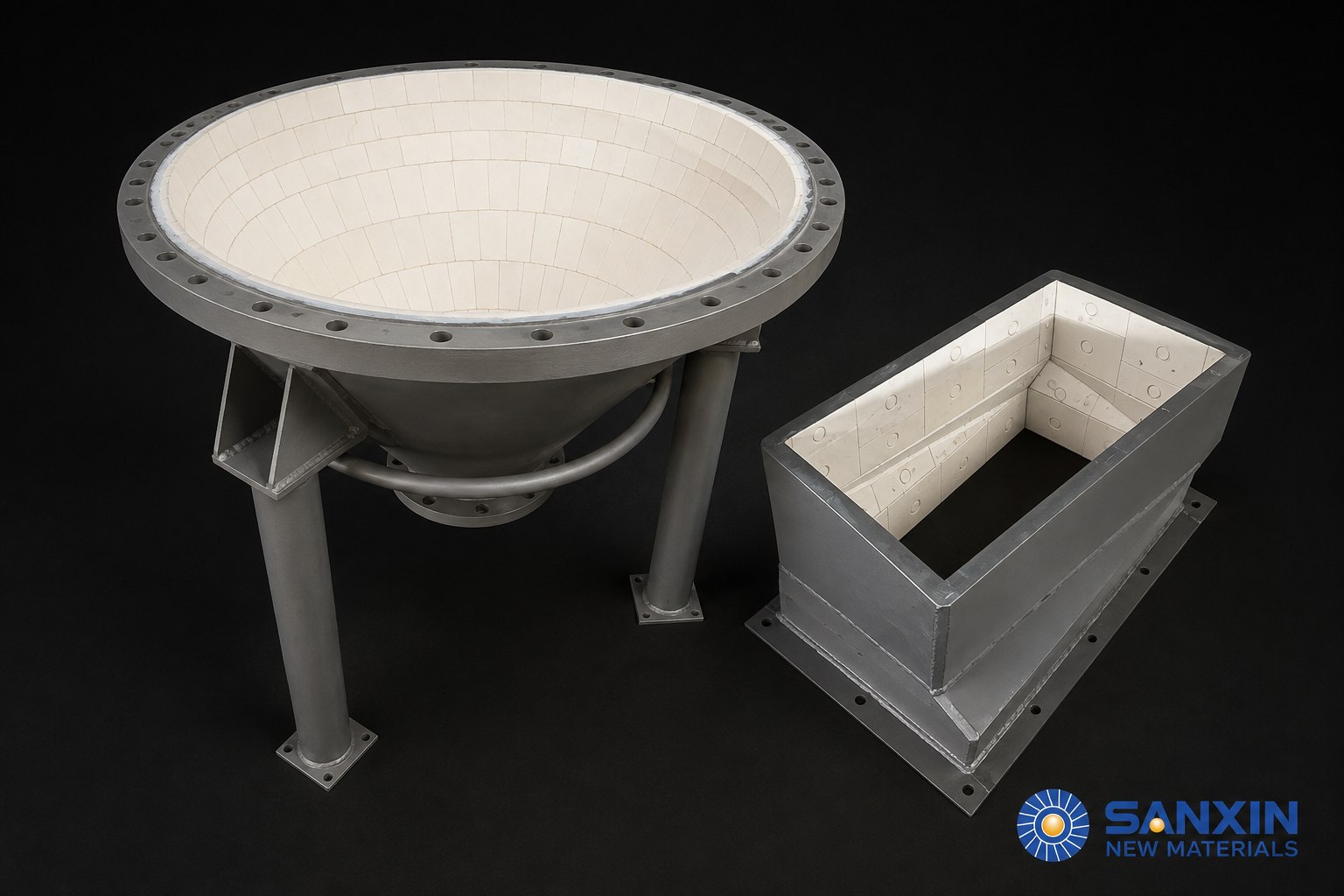
Check which ceramic drawings, material references and approved deviations remain current when a repeat supply arrangement is renewed or extended.
Connect port hopper liner observations to the actual equipment position and loading arrangement so later comparisons preserve changes in the exposure context.
Identify whether the actual ceramic pipe duty handles fuel, combustion ash or another stream before comparing lining offers under an ambiguous translated description.
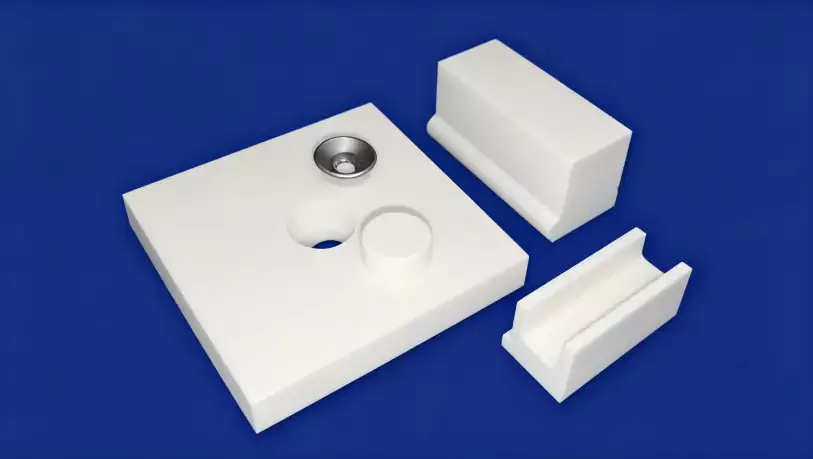
Distinguish a ceramic material designation from the geometry and revision of the finished part so stock, reports and replacement orders retain the correct identity.
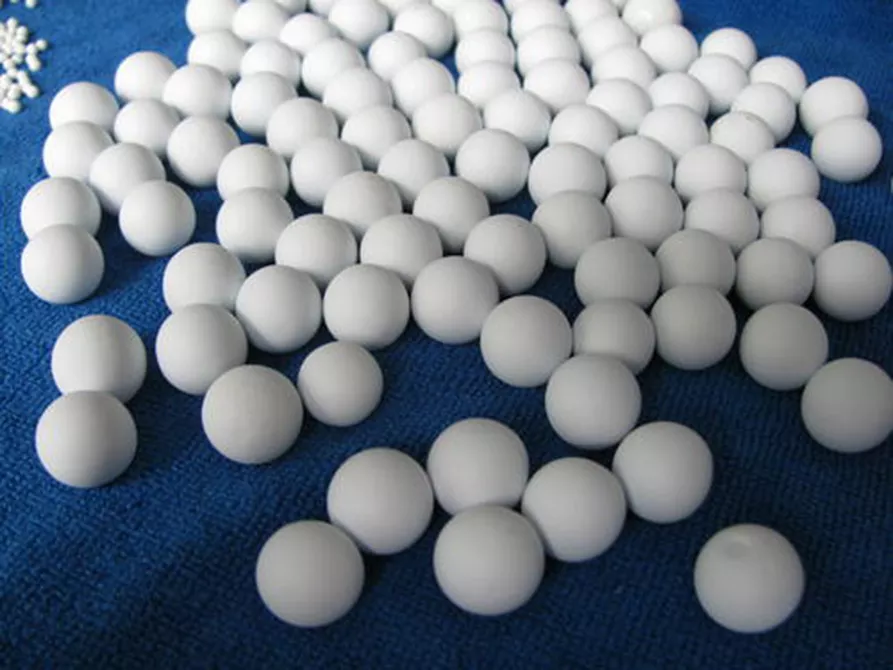
Keep the actual cement grinding aid identity and approved process changes visible alongside a ceramic media trial so combined changes are not attributed to the media alone.
Keep component, location and condition records connected when ceramic-lined steel plant items move between production, maintenance workshops and spare stores.
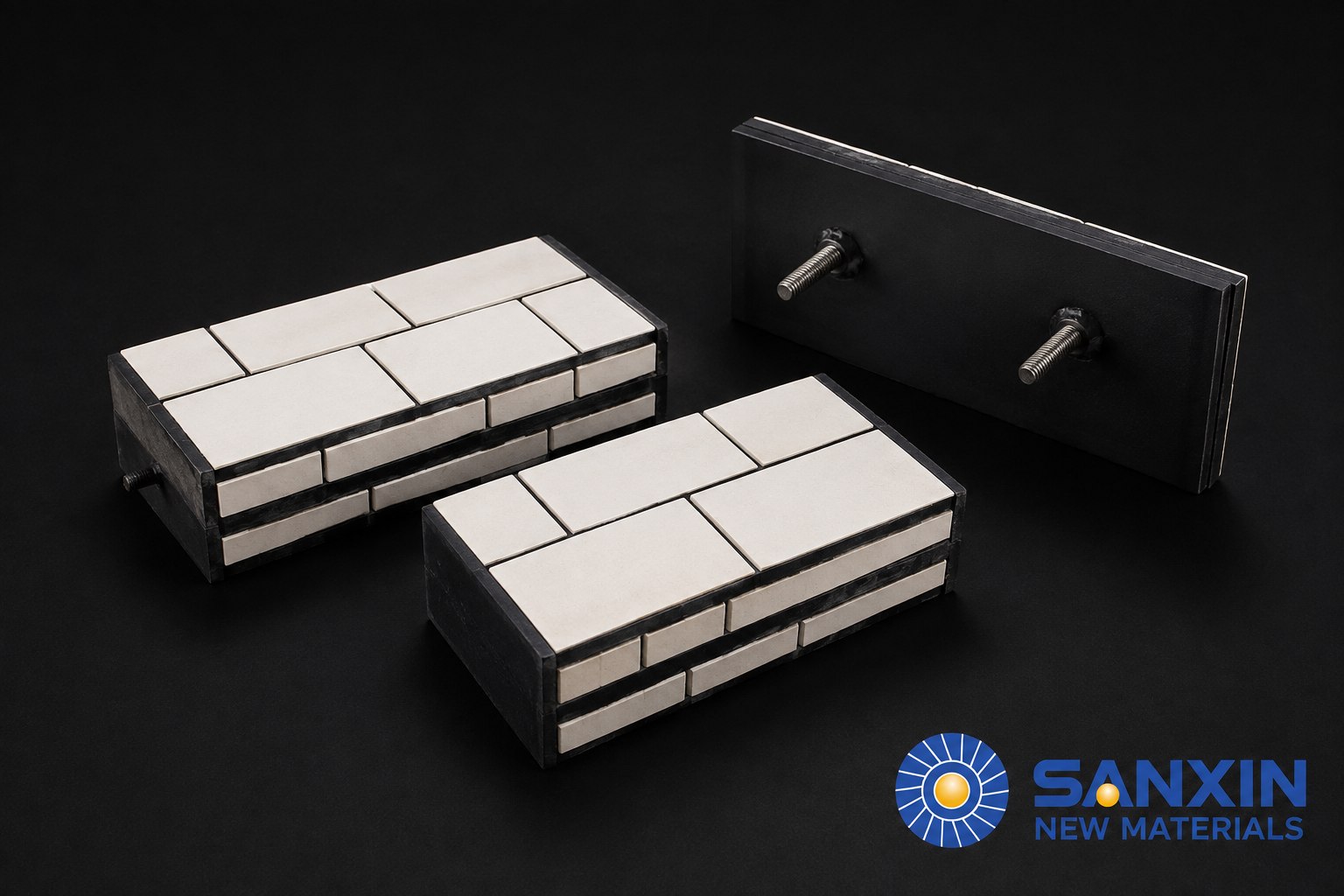
Keep a ceramic rubber panel handling demonstration separate from evidence for its supported, retained and exposed condition in an actual installation.
Match specified mounting covers and related closure items to composite liner delivery kits, preserving missing-item status and accepted supply responsibilities.
Review the accepted scope, access and evidence for future ceramic pipe renewal without assuming a local patch will restore the original chemical-service assembly.
Set a plant-approved first inspection plan using the specific uncertainty, practical access and operating evidence needed for a ceramic lining evaluation.
Preserve accepted stage, component identity and open checks when a ceramic lining installation passes between crews or work shifts.
Compare geometry certainty, permitted adjustment and inspection requirements before deciding where ceramic liner pieces will receive their final fit.
Keep tertiary-air valve position, operating stage and identified lining region with temperature evidence before treating readings as equivalent exposure.
Separate material identification, reported property evidence and application statements when reading an alumina wear ceramic datasheet for a purchasing decision.
Resolve translated part, material and attachment terms against the controlled ceramic drawing so the English inquiry and supplier offer address the same requirement.
Preserve before-concealment attachment evidence and the specified final closure position and surface condition when accepting a ceramic plate installation.
Read dimensional inspection results with the measurement method and uncertainty in view, rather than treating extra display digits as proof of precision or acceptance.
Keep each cement grinding line identity, configuration and baseline visible before comparing parallel trial observations or attributing differences to ceramic media.
Clarify whether a ceramic-lagged roller inquiry covers a sheet or segment, an applied surface system or a complete roller assembly, with responsibilities identified for each.
Use material, finished-part and application evidence to specify an industrial wear ceramic instead of relying on a broad traditional or advanced ceramic category.
Separate changes in the cement product portfolio from media trial observations before interpreting plant-wide average output or energy figures.
Use precise scope language so a ceramic wear-protection proposal is not mistaken for acceptance of machine guarding or other equipment safety functions.
Review ceramic rubber steel hopper panels with fixed gate clearances, transitions, support and independent acceptance of the discharge equipment function.

Submit your demand,
we will contact you ASAP.

Sanxin New Materials Co., Ltd. focus on producing and selling ceramic beads and parts such as grinding media, blasting beads, bearing ball, structure part, ceramic wear-resistant liners, Nanoparticles Nano Powder


 English
 English
 Russian
 French
 Spanish
 Portuguese
 Arabic