
Explore Sanxin technical guides →
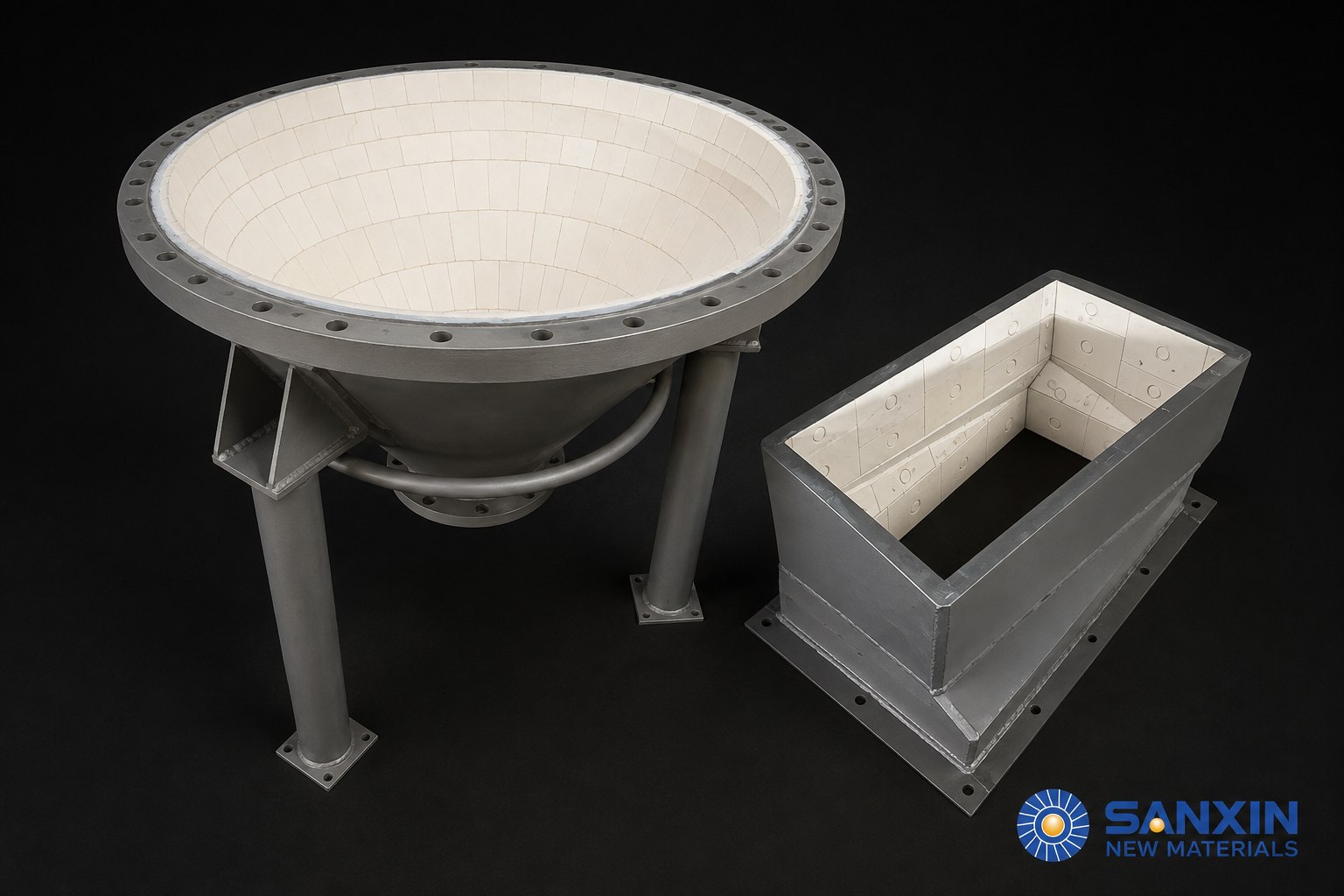
Reconcile welded repairs, support geometry and retained lining before installing ceramic protection on a hopper wall.
Record controlled adjustment ranges and adjoining mechanisms before evaluating ceramic wear protection in a power plant pulverizing system.
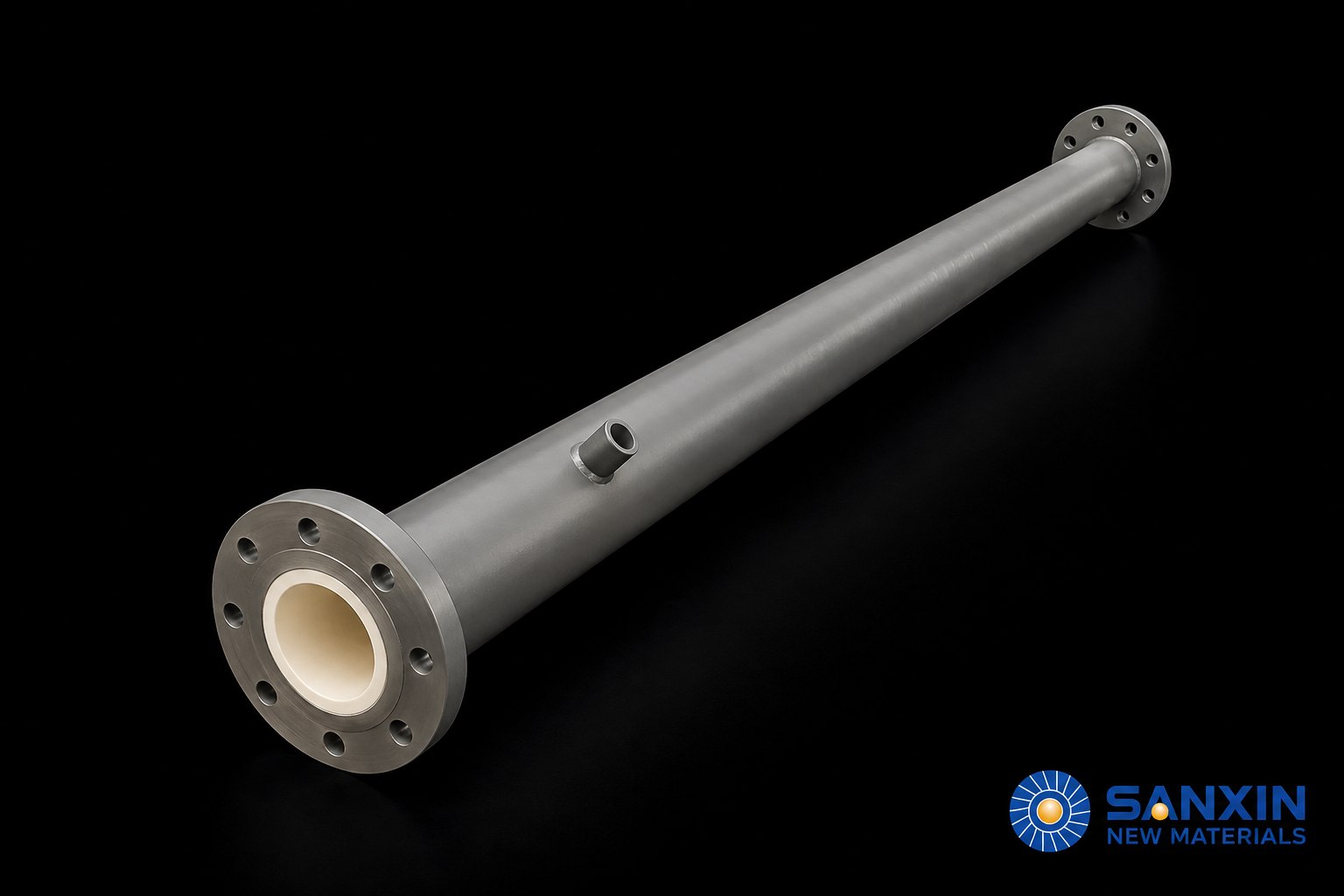
Organize ceramic pipe alternatives into distinct material, geometry, retention and supply-scope questions so different option types are not compared as equivalent categories.
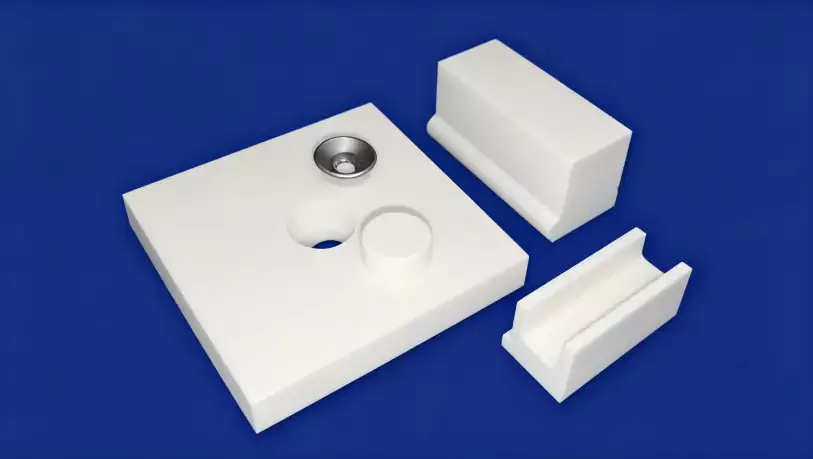
Retain the identity and condition of the abrasive or contacting medium in wear-test evidence so differences in test inputs are visible before material rankings are made.
Distinguish formed, fired and finally finished ceramic dimensions when discussing a drawing or inspection result, without assigning a universal shrinkage or machining allowance.
Keep a temporary ore-blend trial bounded by its approved component, observations, extension review and return-to-duty requirements for ceramic lining.
Coordinate ceramic protection with the accepted function, access and geometry of openings used for equipment inspection or instrumentation.
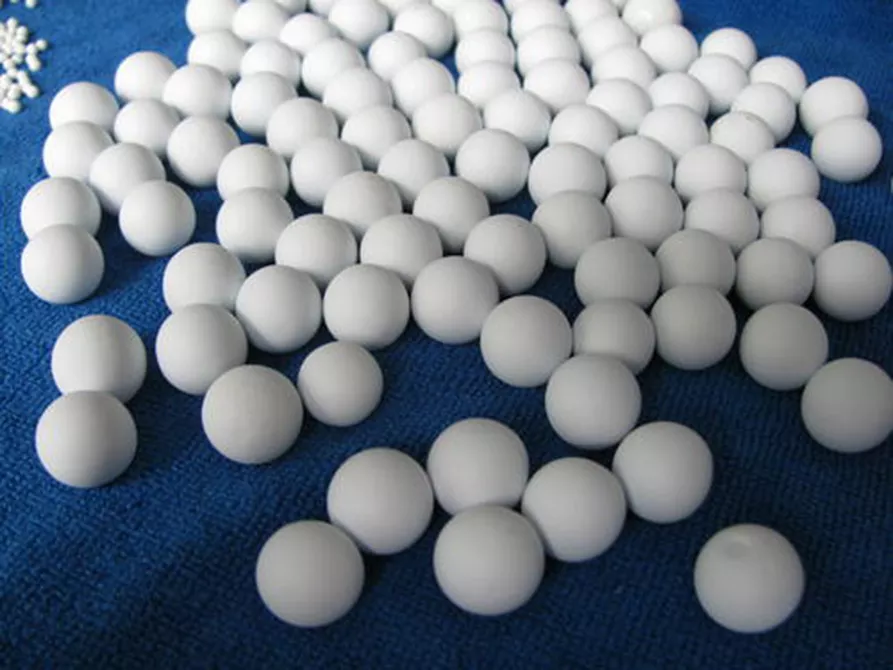
Keep media identity, sample timing and process context together when investigating a possible grinding-media contribution to product quality.
Verify closure, junction and opening pieces against a controlled mill-brick layout so a delivery count reflects the actual installation requirements.
Review service points and controlled machine interfaces before adding ceramic protection to a nearby abrasive region.
Prevent grade and lot records from becoming detached from similar-looking alumina tiles during receipt, storage and installation allocation.
Use flow direction, location references and boundary sections to make a ceramic chute tile layout unambiguous before installation.
Keep hydrocyclone stream sampling, operating context and liner condition evidence distinct when assessing a ceramic replacement or trial.
Identify the medium and materials at a damaged lining region before assuming the original ceramic compatibility assessment covers newly exposed interfaces.
Define sampling timing and line condition when evaluating a ceramic lined pneumatic route for battery powder transfer.
Define permitted ceramic tile adjustment and its inspection before site fitting changes an accepted working edge or mating surface.
Organize throughput, operating periods and replacement endpoints before assessing a claimed ceramic pipe lifetime multiplier.
Map deposits and newly exposed wear regions before specifying ceramic protection on cement equipment, keeping operating and cleaned geometry distinct.
Define the limited purpose, observation period and approval boundary of a ceramic liner trial before considering permanent or wider installation.
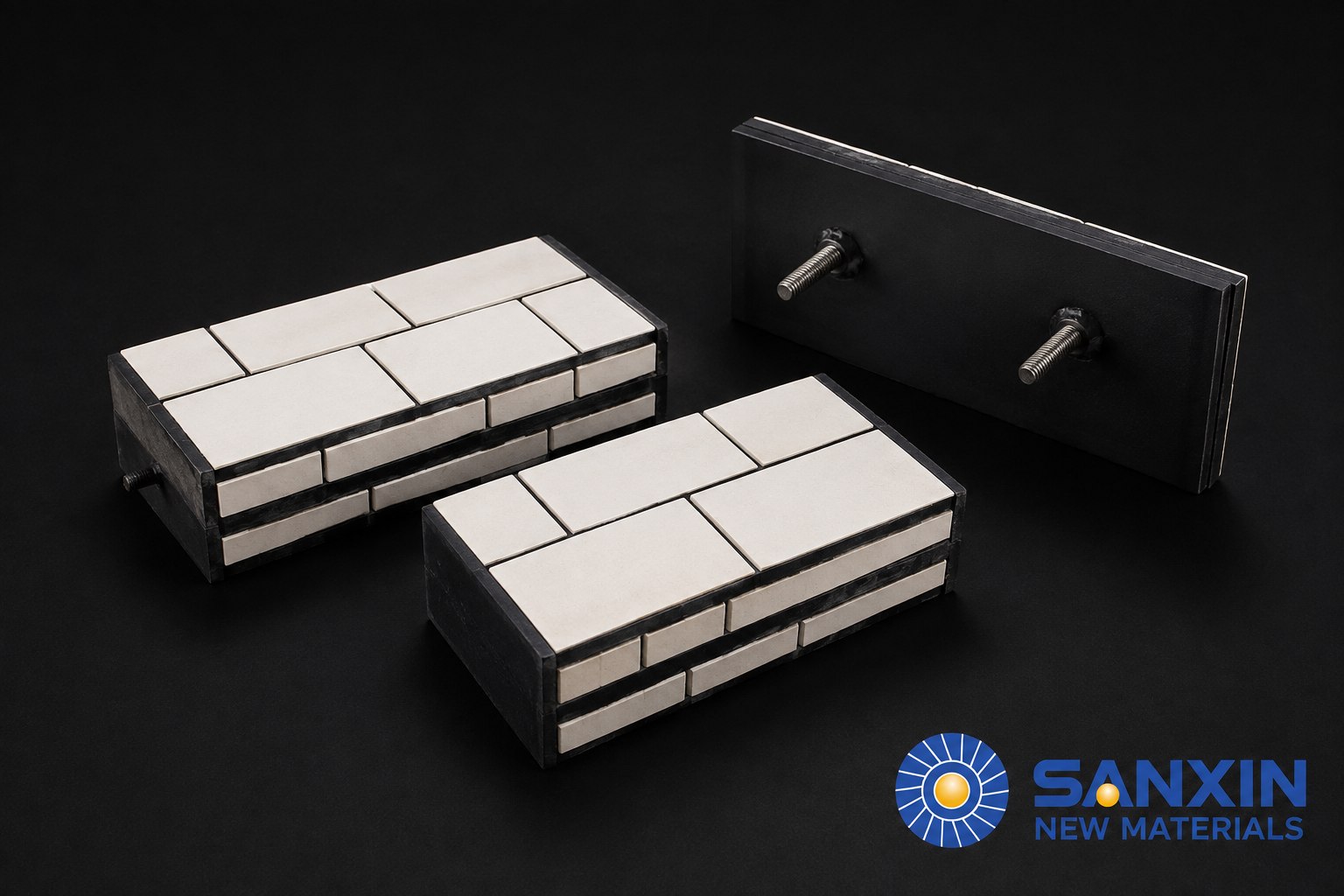
Compare identified nylon and ceramic rubber lining constructions through mounting, support, exposure and replacement requirements before accepting a material change.
Keep site measurement condition, reference features and operating assumptions explicit when preparing a ceramic retrofit drawing for power plant equipment.
Define the mineral powder product, contact route and accepted sampling boundary before evaluating ceramic lined transfer pipe.
Keep panel orientation, loading boundaries and mounting references explicit when reviewing a ceramic composite lining for steelworks equipment.
Define the actual ceramic rubber panel and its acceptance evidence instead of treating a general product description as an installable specification.

Submit your demand,
we will contact you ASAP.

Sanxin New Materials Co., Ltd. focus on producing and selling ceramic beads and parts such as grinding media, blasting beads, bearing ball, structure part, ceramic wear-resistant liners, Nanoparticles Nano Powder


 English
 English
 Russian
 French
 Spanish
 Portuguese
 Arabic