
Explore Sanxin technical guides →
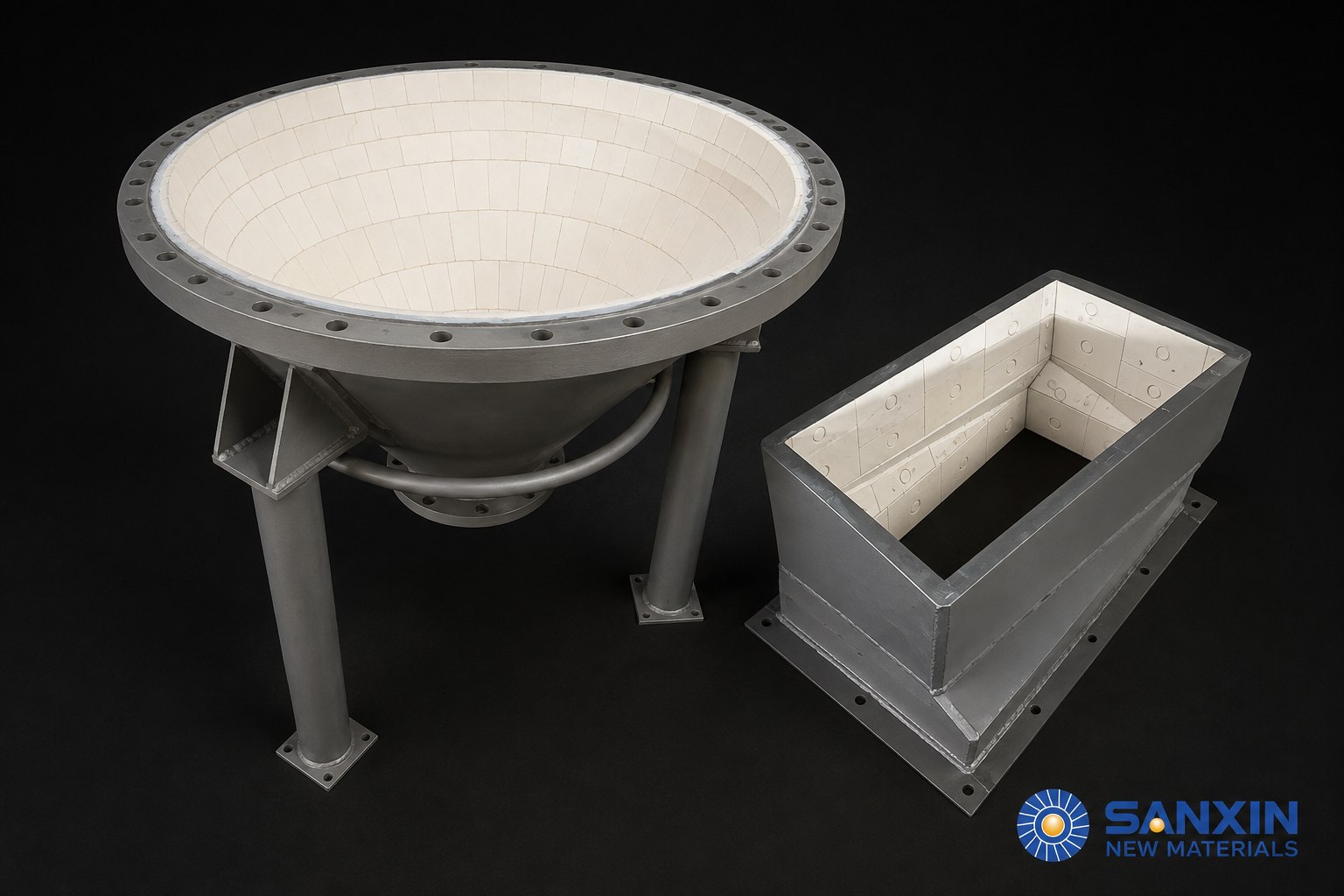
Coordinate ceramic liner installation checks, access and completion requirements within a cement plant shutdown without assuming a universal installation timetable.
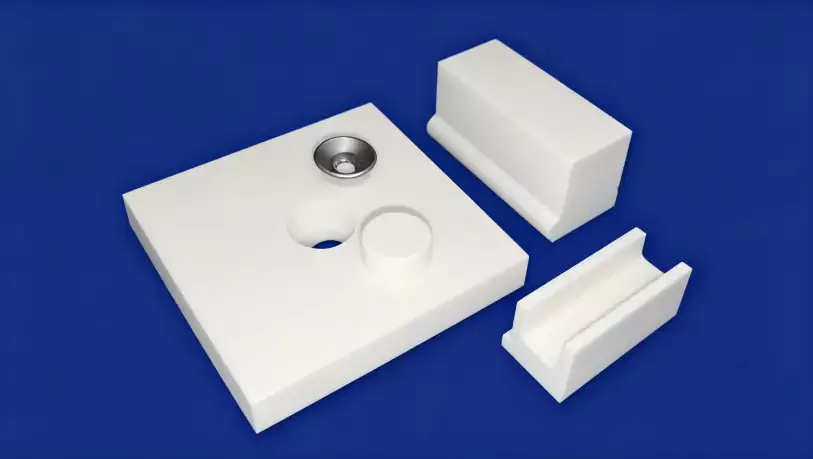
Identify the requirement, material and test method when a ceramic report describes a different property from the one requested in the purchase specification.
Distinguish actual process flow references from drawing datums, viewing directions and component marks when specifying and installing ceramic wear-protection parts.
Connect replacement alumina bricks to the accepted mill lining pattern and part positions instead of ordering a generic shape from an isolated used sample.
Read downtime and availability records within their actual maintenance and operating boundaries before attributing changes to a ceramic wear-protection project.
Keep the location and construction identity of different ceramic attachment arrangements visible when one equipment lining uses more than one accepted retention system.
Record the actual access, cleaning and inspection state of a ball mill so ceramic liner observations from different maintenance events are compared on a clear basis.
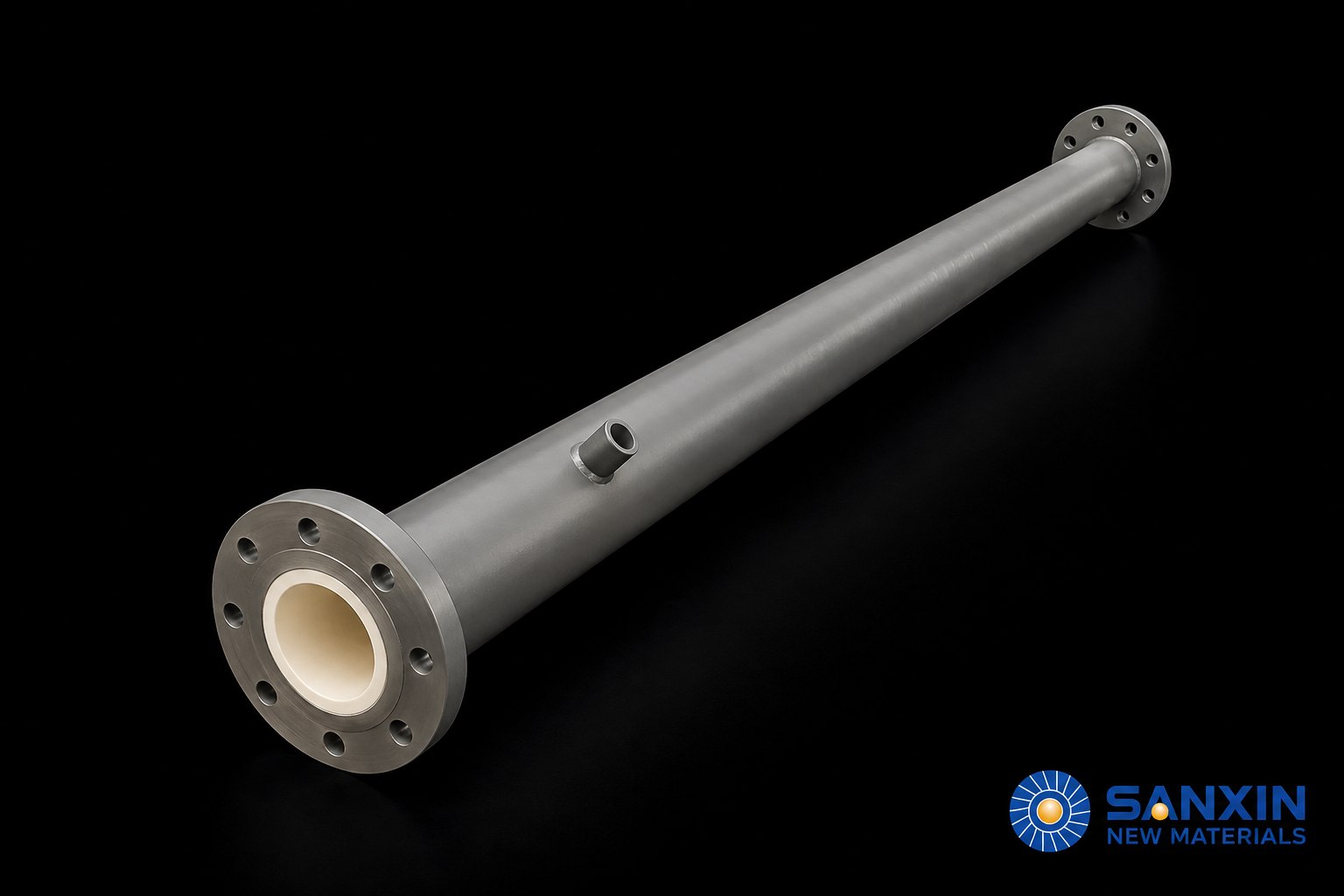
Plan ceramic pipe tile handover with approved debris removal, accessible liner checks and a documented baseline before the operating wear evaluation begins.
Review consecutive ceramic tube liner sections with support, alignment, end condition and installed interface checks defined on the complete assembly drawing.
Assess ceramic composite pipe results with material, fit, attachment and operating observations linked to separate acceptance questions and evidence limits.
Use a ceramic tile dry fit to check defined geometry while keeping attachment layers, retained boundaries and final installation acceptance explicit.
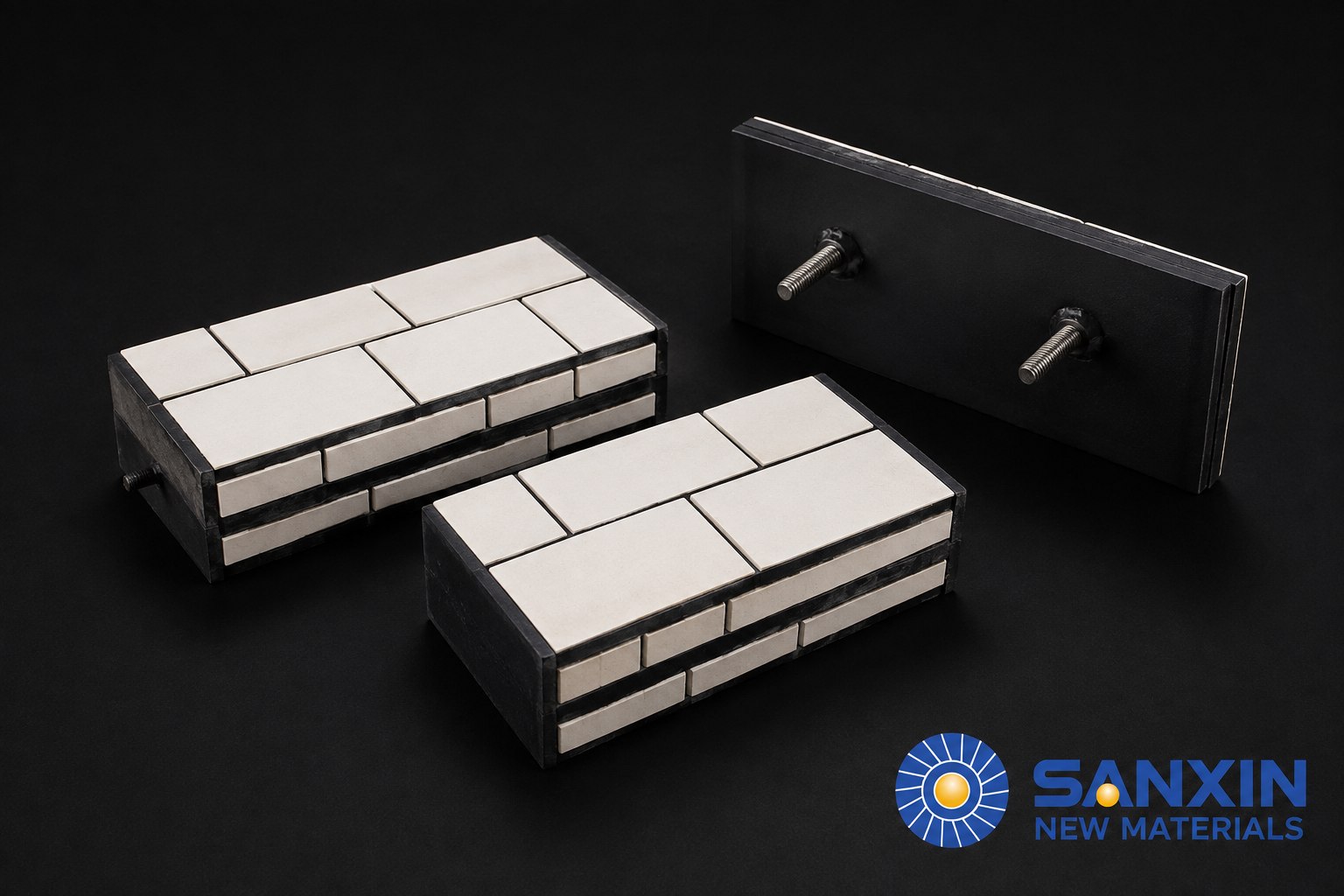
Evaluate ceramic pulley lagging through belt and pulley information, operating exposure, attachment and conveyor-owner acceptance rather than generic wear-tile data.
Ask where a ceramic hardness measurement was made and how the sample represents the offered lining, keeping laboratory surface preparation separate from delivery condition.
Check the identity, accessible interior and end-protection history of stored ceramic-lined ash pipe before installation, recording coverage and unresolved conditions.
Compare ceramic strength evidence only with its test mode, specimen geometry, preparation and conditions identified, instead of treating a reported value as an assembly rating.
Report observed ceramic liner condition separately from monitoring, replacement and unresolved decisions so inspection summaries do not imply an accepted maintenance action that was never made.
Replace a broad industry application label with a concise component duty record that identifies the actual ceramic-lined pipe, medium and acceptance responsibilities.
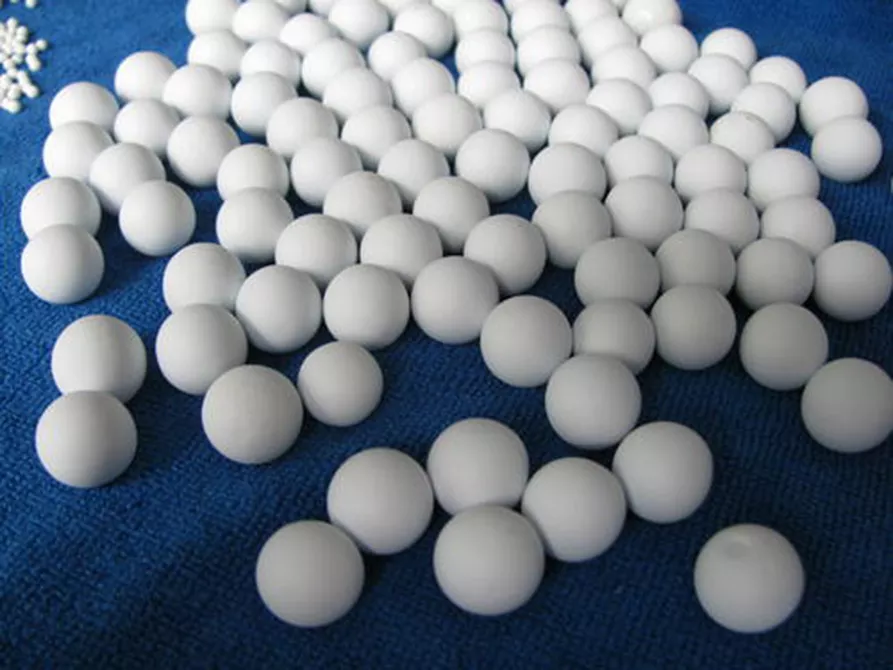
Use a defined production and inventory boundary when assessing cement grinding output after a media change, instead of treating dispatch totals as direct mill production evidence.
Record actual feed, schedules and operating conditions across seasonal cement media comparisons so calendar timing is not mistaken for evidence of a ceramic performance effect.
Treat a proposed field bonded repair as a defined construction change when the supplied rubber ceramic assembly used a different original manufacturing process.
Keep shared ceramic media store issues, returns and transfers linked to each cement mill trial before comparing additions with its accepted output.
Compare spare steel and ceramic-lined pipe options with fit, handling, installation materials and acceptance work included in the maintenance plan.
Review exposed mounting features in ceramic rubber panels with their support, material contact, accessible inspection and approved installation detail.
Use ceramic pipe reference images to frame drawing and construction questions without treating a photograph as evidence of every capability or hidden feature.

Submit your demand,
we will contact you ASAP.

Sanxin New Materials Co., Ltd. focus on producing and selling ceramic beads and parts such as grinding media, blasting beads, bearing ball, structure part, ceramic wear-resistant liners, Nanoparticles Nano Powder


 English
 English
 Russian
 French
 Spanish
 Portuguese
 Arabic