
Explore Sanxin technical guides →
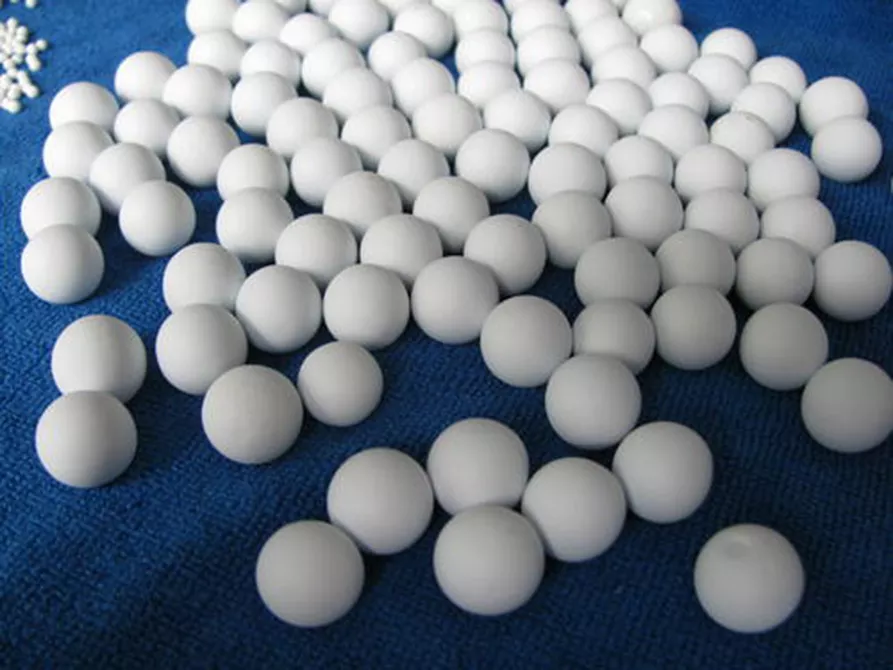
Review dry grinding ceramic media through the actual mill, feed, accepted product and trial scope instead of importing another wet-process result.
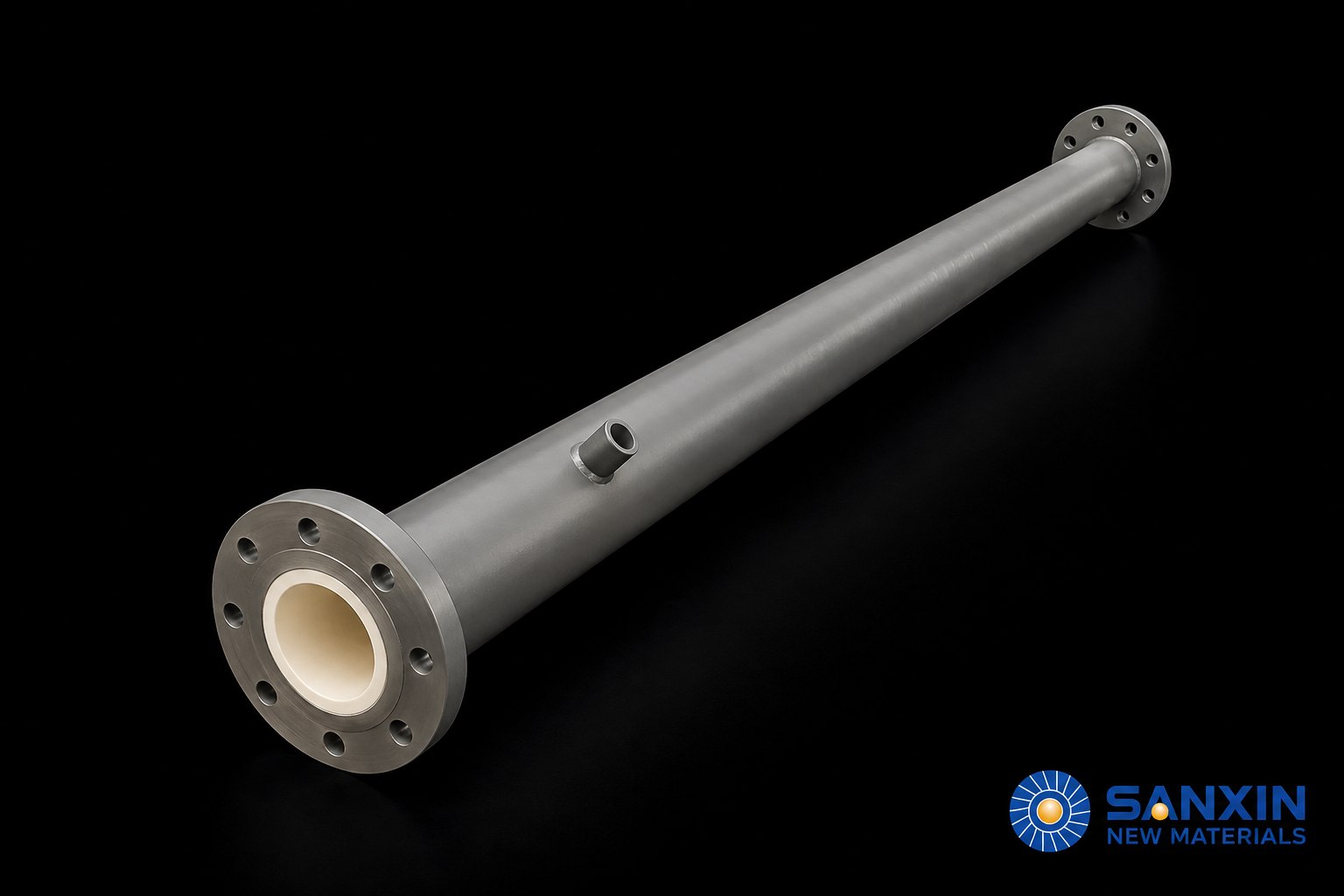
Identify the approved test medium and post-test condition when reviewing a ceramic pipe that normally serves a different process environment.
Preserve the route and component context when ceramic fragments are found downstream instead of assigning them automatically to the nearest lined pipe.
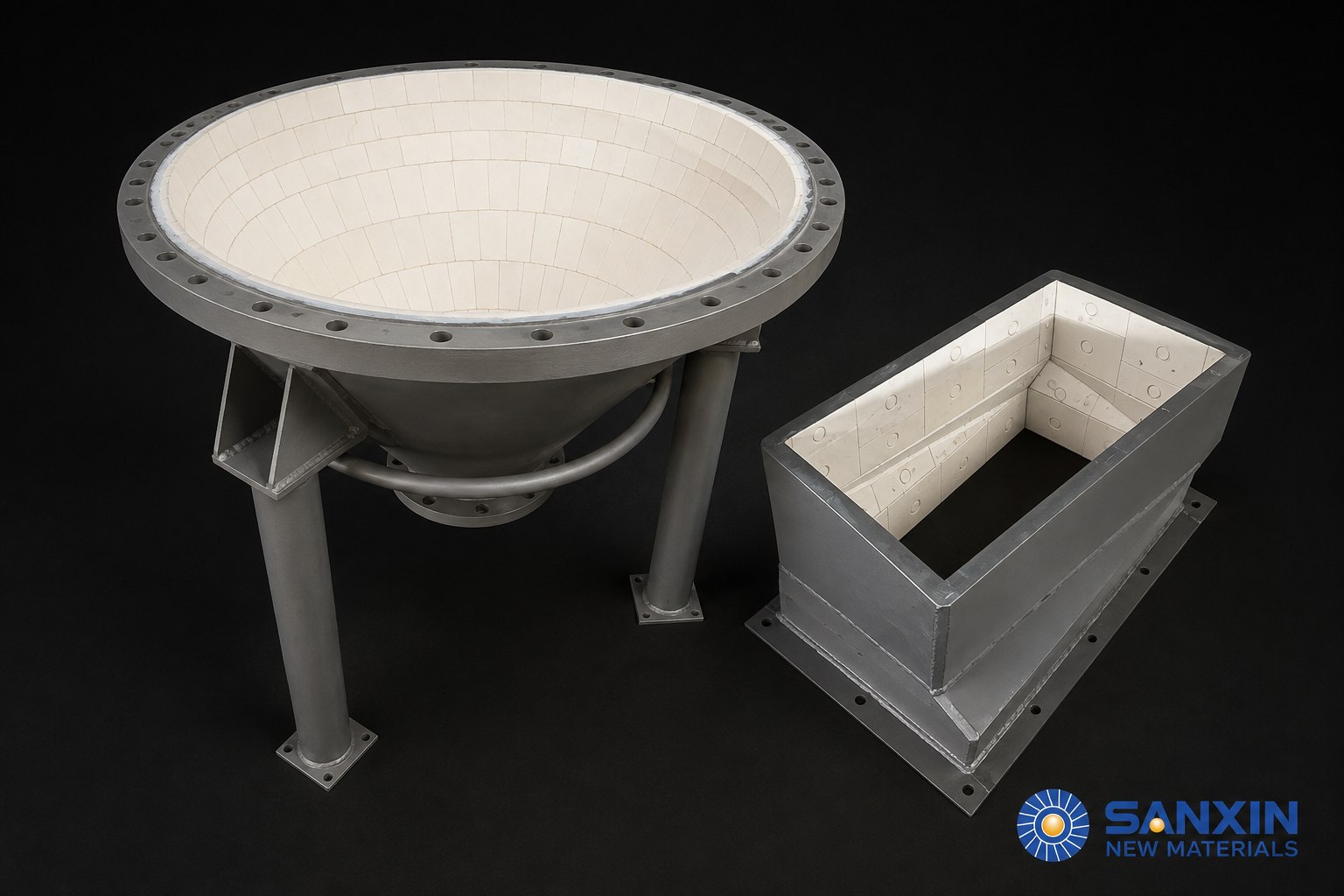
Review boiler-area duct ceramic terminations near a movement joint with the accepted joint design, support and thermal sequence kept under owner control.
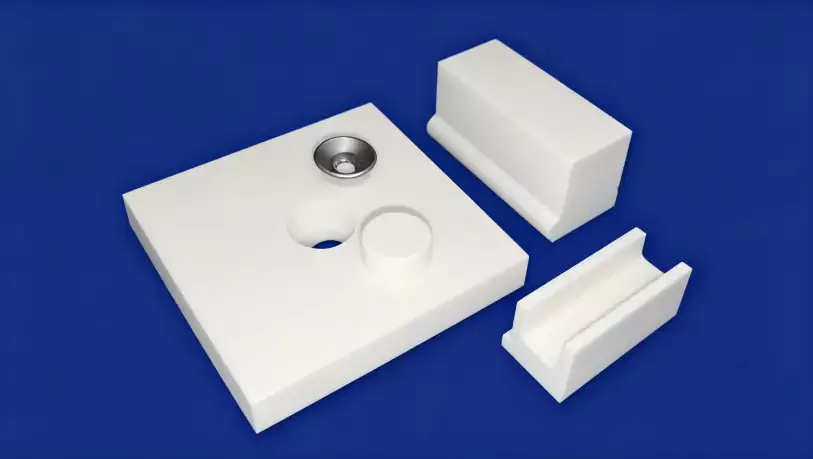
Keep ceramic wear-surface observations separate from substrate integrity evidence when reviewing an industrial liner and planning accessible inspections.
Prepare a ceramic reducer inquiry with the accepted internal profile, support, lining boundaries and adjoining-pipe interfaces defined before approval.
Review alumina wear protection with particle approach, surface geometry and test scope identified rather than using hardness as the complete selection basis.
Keep conveying batches, interruptions and operating exposure together when evaluating a ceramic-lined coal powder pipe or comparing its inspection history.
Interpret battery powder contact test reports with analyte identity, sampling and method limits preserved before accepting a ceramic-lined transfer construction.
Define liner termination, support and mating geometry at a ball mill feed end before accepting a ceramic lining replacement.
Keep wear, temperature and chemical evidence attached to the construction and conditions it actually describes when evaluating a ceramic liner.
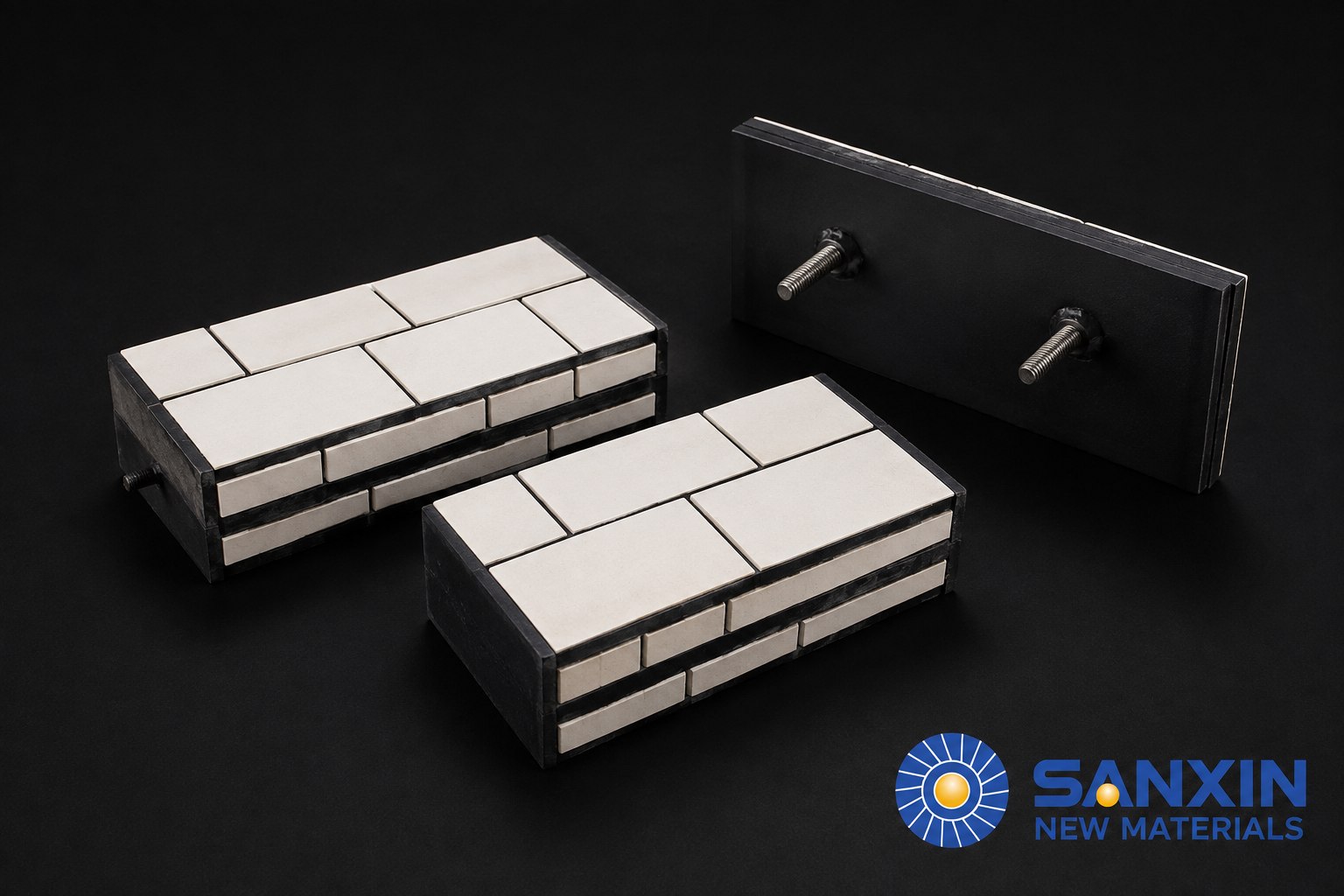
Clarify whether the handled item is a ceramic panel, backed assembly or complete lined component before planning steelworks delivery and installation.
Review observed wall movement, backing condition and liner boundaries before selecting a ceramic repair for a chute with recurring local damage.
Compare location, coverage and observation methods when two ceramic lining reports appear to disagree about the same equipment.
Identify the actual transported mixture, carrier medium and known variations when requesting ceramic pipe protection rather than relying on a commodity or product name.
Preserve delivered condition and accessible internal evidence when receiving an assembled ceramic-lined pipe that will become harder to inspect after installation.
Preserve location-based observations and exposure evidence when a component appears to face both abrasion and chemical deterioration.
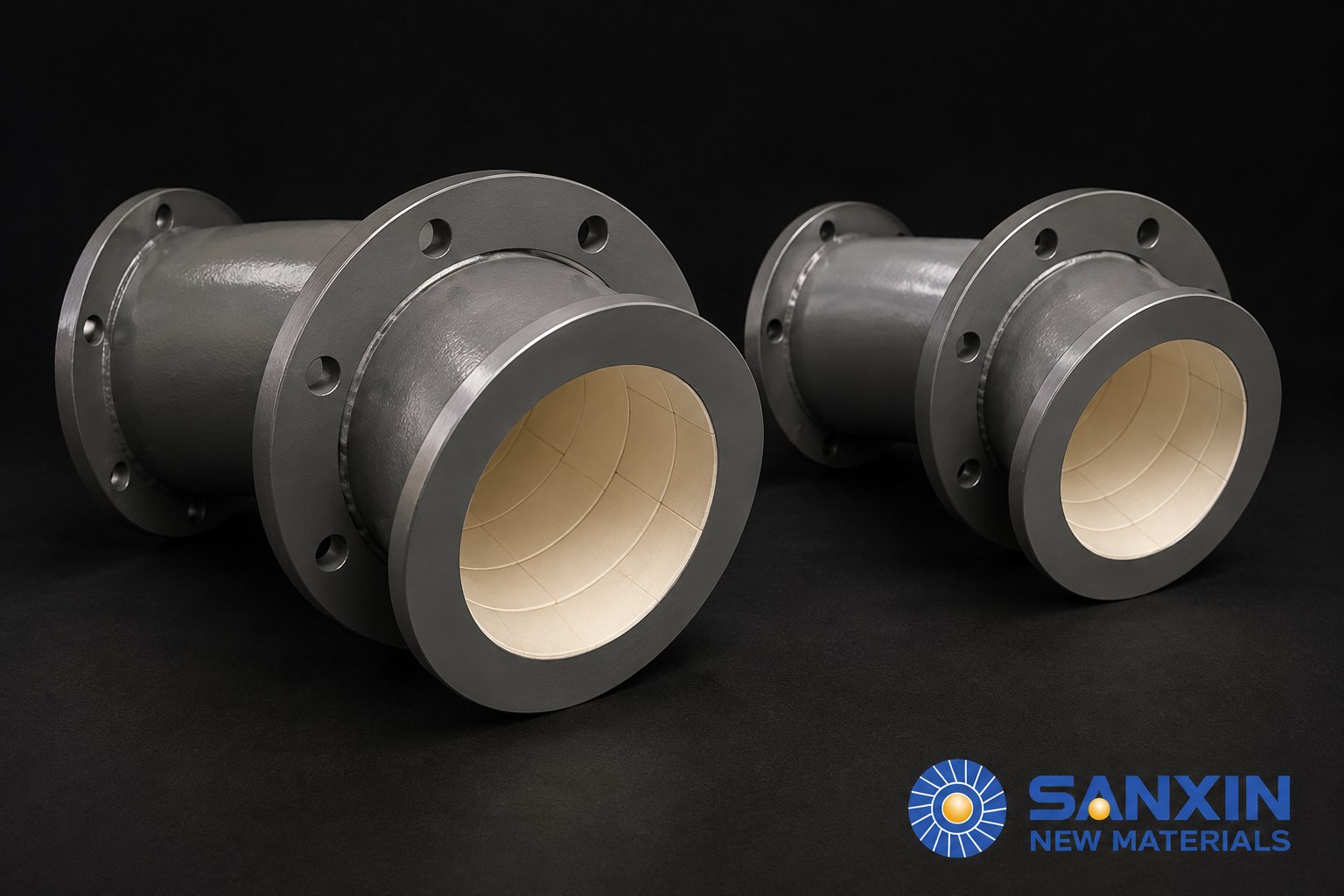
Link shaped pieces, course positions and lining terminations to a controlled elbow layout so fitting and later inspection use the same references.
Preserve item identity, revisions and completion status when hopper liner panels or tiles arrive in several deliveries during a maintenance project.
Review how each identified liner construction will be inspected, removed and renewed before using a material change in a maintenance decision.
Clarify dry solids, incoming feed moisture, process liquid and media inventory before comparing grinding ratio descriptions, without applying a universal operating recipe.
Compare workshop-lined components and site lining scope by identifying the construction and inspection stages completed before delivery.
Keep left and right handed panel details, support references and installed positions explicit in a ceramic composite order for steelworks equipment.
Review ceramic terminations, gaskets and adjacent surfaces as part of the product contact path in a battery powder transfer assembly.

Submit your demand,
we will contact you ASAP.

Sanxin New Materials Co., Ltd. focus on producing and selling ceramic beads and parts such as grinding media, blasting beads, bearing ball, structure part, ceramic wear-resistant liners, Nanoparticles Nano Powder


 English
 English
 Russian
 French
 Spanish
 Portuguese
 Arabic