
Explore Sanxin technical guides →
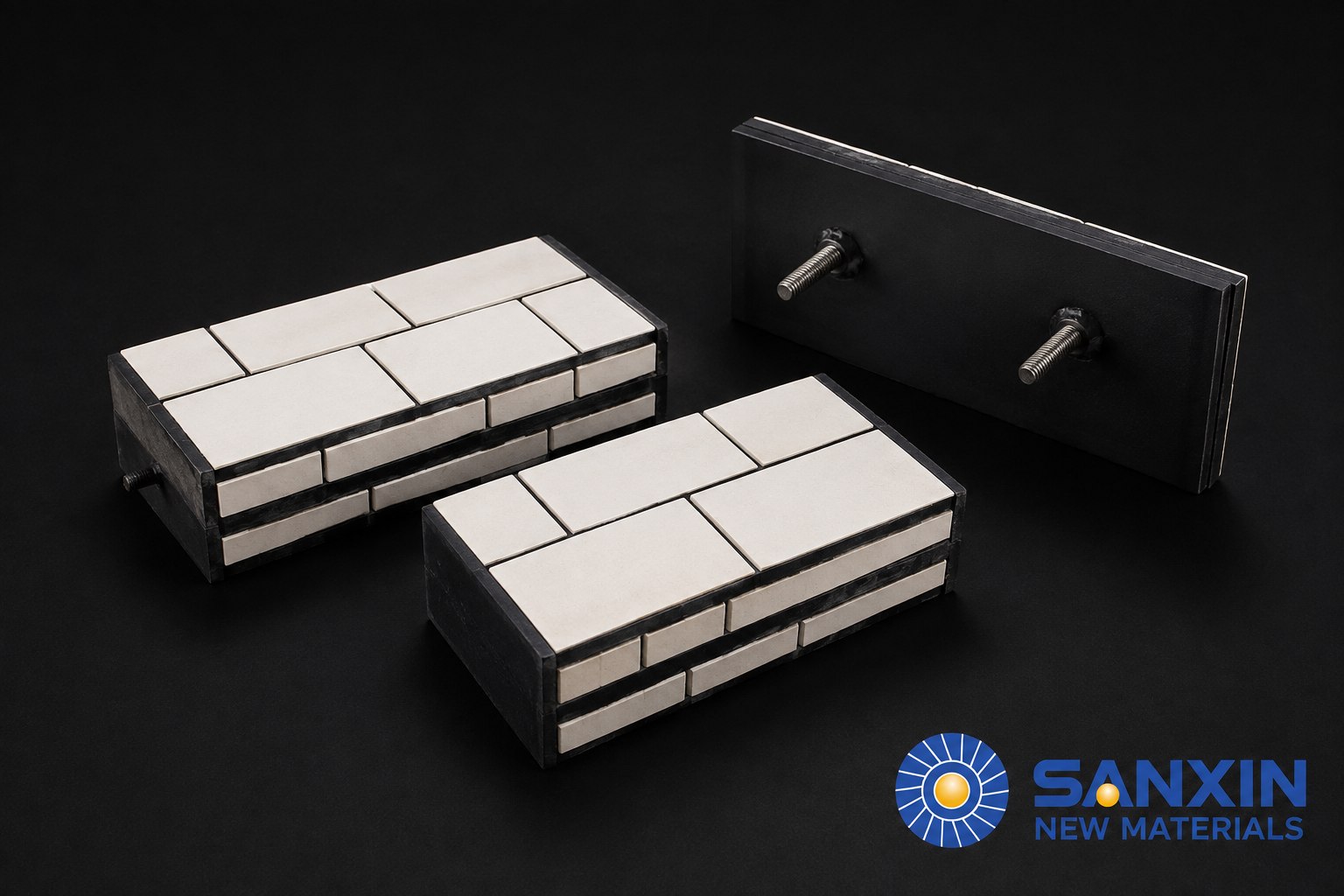
Distinguish ceramic, rubber, interface and full-panel test evidence when evaluating a ceramic rubber steel liner proposal.
Compare rubber-ceramic and steel-backed panel arrangements through support, attachment, handling and replacement requirements of the existing equipment.
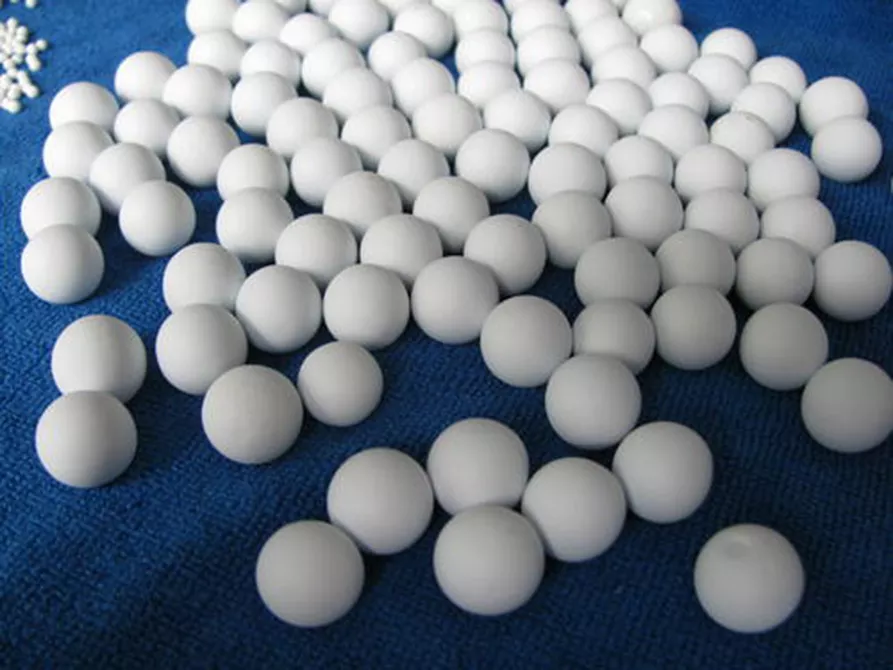
Record broken pieces, surface loss and operating changes separately when investigating alumina grinding balls in a ball mill trial.
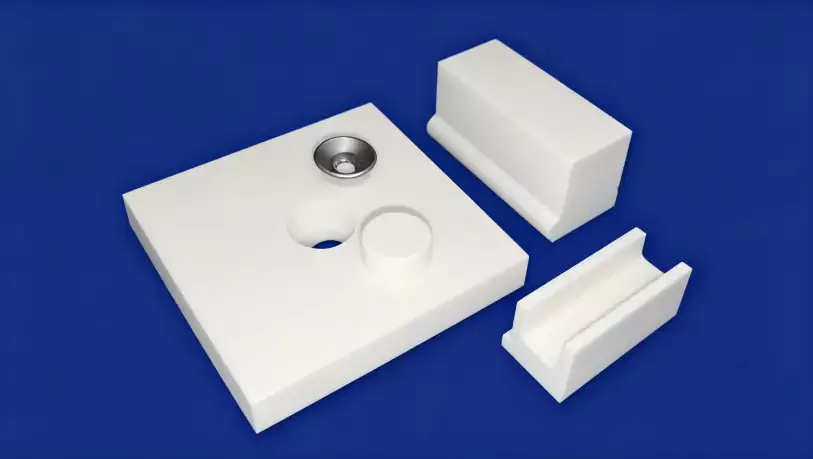
Use material and surface examination information to frame a wear investigation without confusing microscopic observations with assembly failure causes.
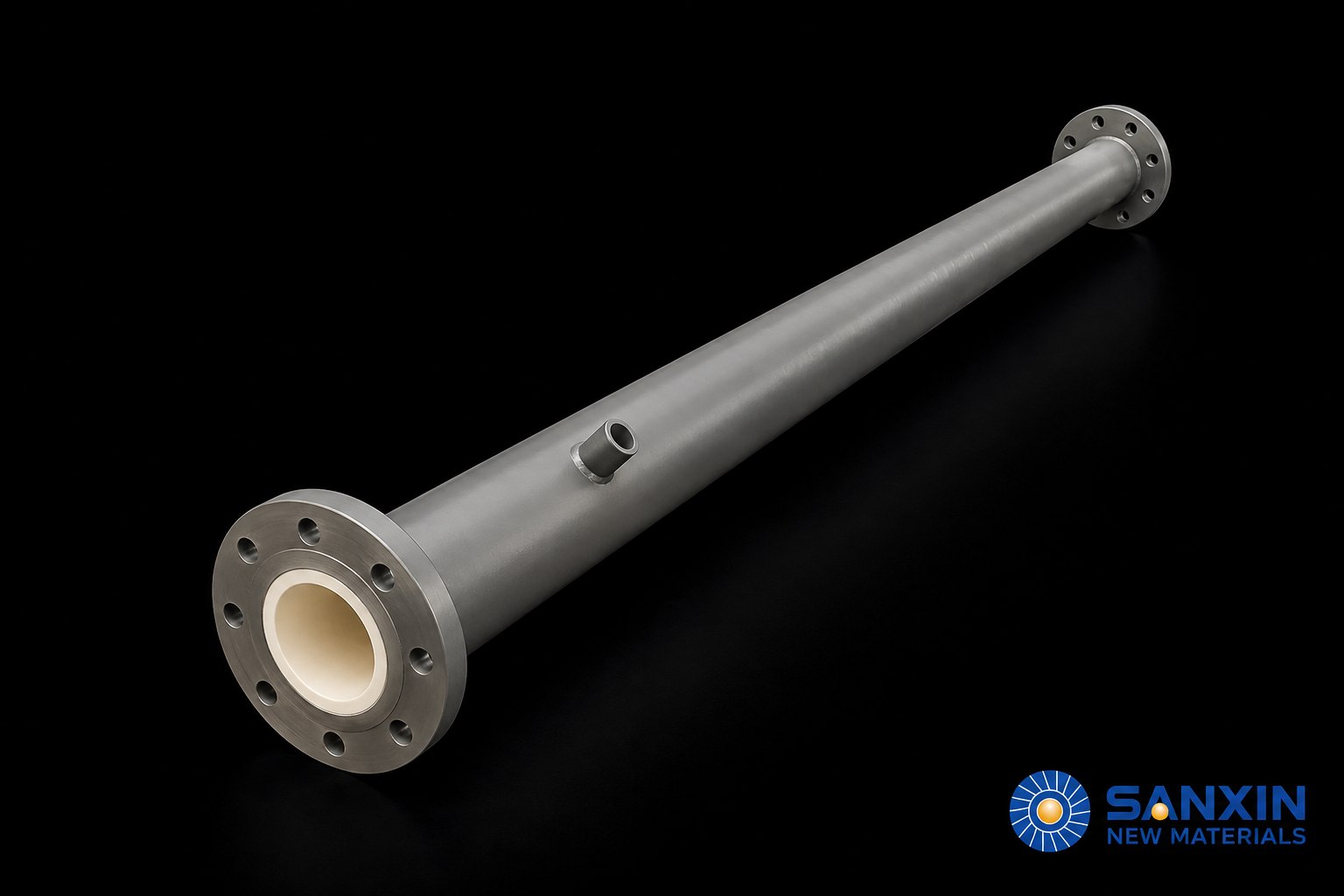
Create a common ceramic pipe inquiry format while preserving site-specific duty, design and acceptance requirements across industrial applications.
Check drawing revision, bore, ends and storage condition when identifying a ceramic lined pipe spare for planned maintenance.
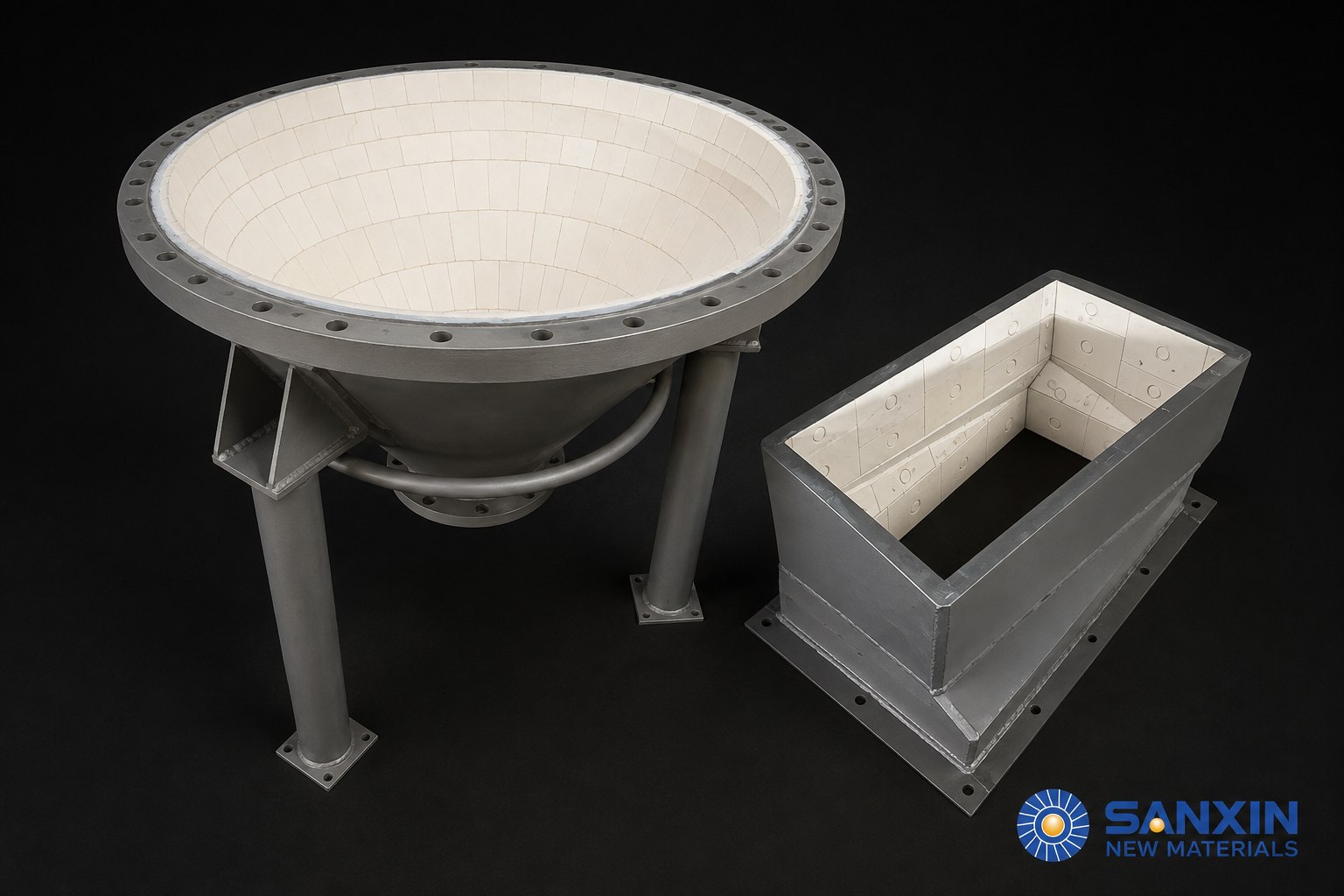
Build a focused ceramic inquiry using identified wear observations and necessary operating information while controlling confidential or irrelevant material.
Separate steelworks wear-part duties and supply boundaries when planning ceramic inquiries for a shared maintenance shutdown.
Separate suspect ceramic tiles, document the delivered condition and obtain a controlled disposition before modification or installation obscures a discrepancy.
Use consistent inspection coverage, location references and operating records when evaluating a ceramic liner trial in a power plant component.
Review test comparability, measurement variation and application relevance before using a small hardness difference to rank ceramic liner offers.
Address pipe integrity through the plant procedure before evaluating ceramic abrasion protection for a replacement component.
Maintain ceramic pipe drawing and material revisions so maintenance observations can be traced to the construction actually installed.
Build an evidence-gap list for an alumina proposal and connect each unresolved material or assembly claim to a purchasing decision.
Review retained media, mill cleanliness and sampling history when planning a mineral mill trial of alumina grinding balls.
Identify missing duty, shell, geometry and inspection information before asking whether ceramic lined pipe suits a proposed application.
Map process, ceramic, attachment and backing temperatures before evaluating an alumina component for a hot industrial application.
Plan substrate, fit, attachment and final bore checks before ceramic pipe lining work conceals the interfaces that need acceptance.
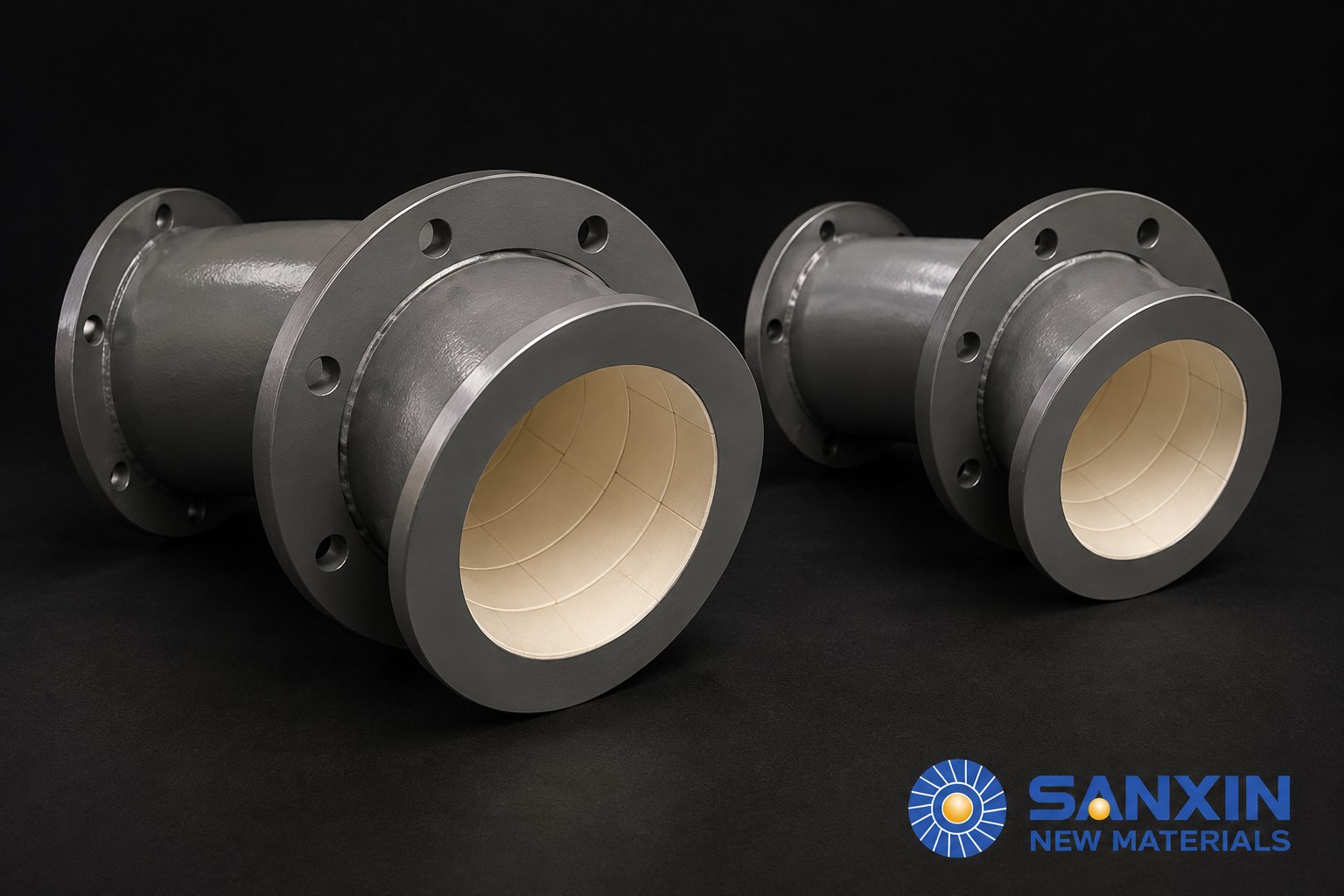
Define observable acceptance, inspection limits and response responsibilities before evaluating a ceramic-lined elbow in a previously severe wear duty.
Build a responsibility and evidence handover for a power-plant ceramic lining so operating duty, structural acceptance and installation records have clear owners.
Assess machine interfaces, safe inspection and replacement access before adding ceramic wear protection to an equipment component.
Review material identity, contamination, surface condition and equipment qualification before treating a high-purity alumina component as suitable for semiconductor service.
Evaluate protective body armor through the complete identified model, applicable certification and manufacturer instructions rather than ceramic composition alone.
Review a hopper lining by distinguishing feed impact, stored-material contact and discharge movement instead of interpreting all damage from one operating state.

Submit your demand,
we will contact you ASAP.

Sanxin New Materials Co., Ltd. focus on producing and selling ceramic beads and parts such as grinding media, blasting beads, bearing ball, structure part, ceramic wear-resistant liners, Nanoparticles Nano Powder


 English
 English
 Russian
 French
 Spanish
 Portuguese
 Arabic