
Explore Sanxin technical guides →
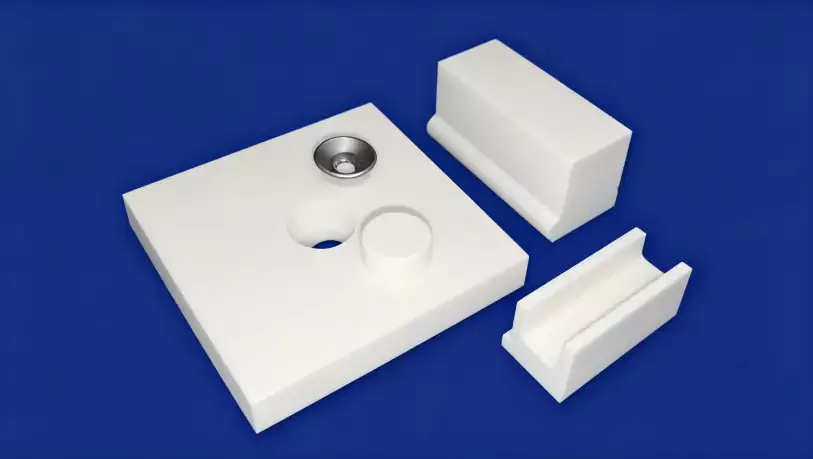
Review material identity, contamination, surface condition and equipment qualification before treating a high-purity alumina component as suitable for semiconductor service.
Evaluate protective body armor through the complete identified model, applicable certification and manufacturer instructions rather than ceramic composition alone.
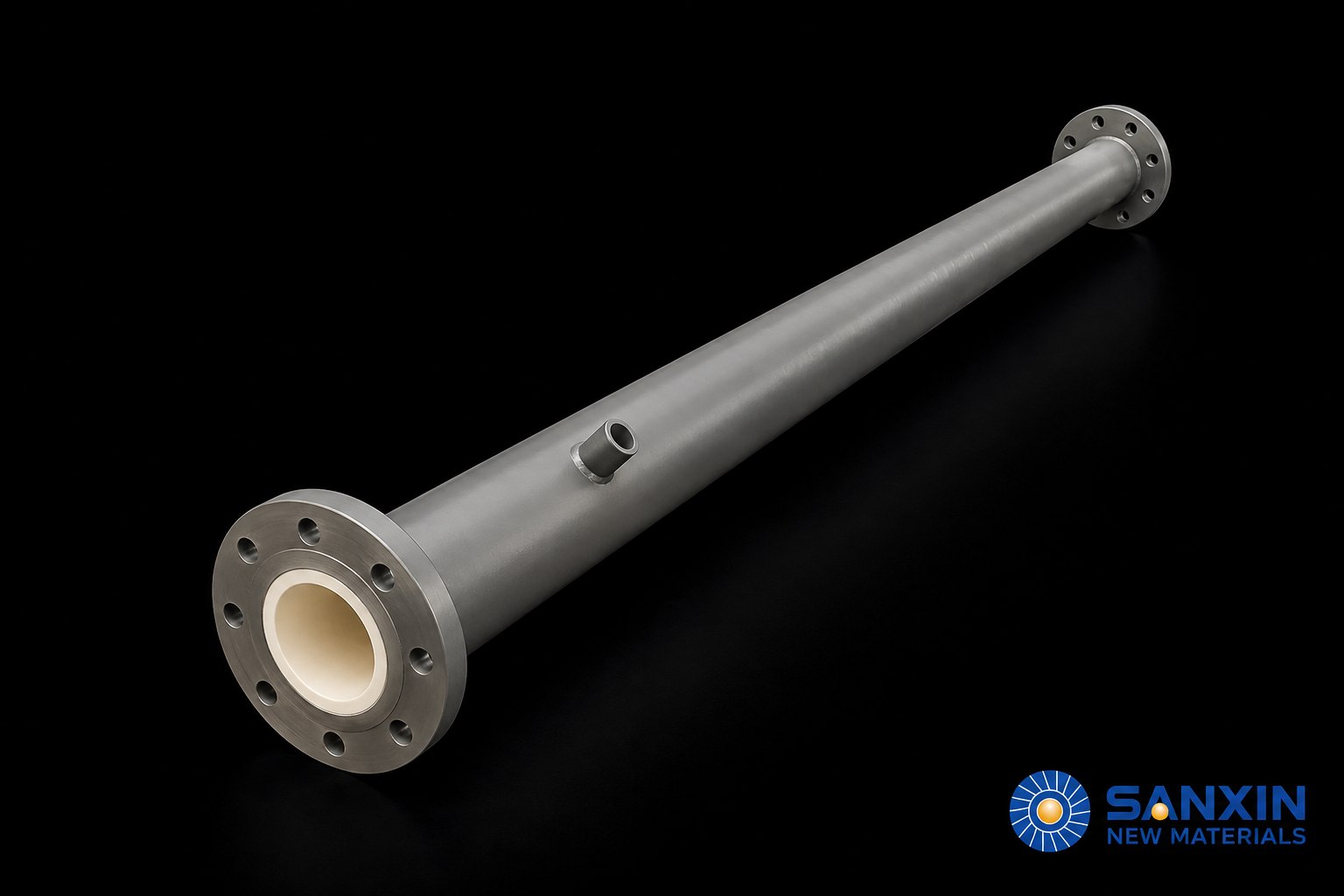
Evaluate tile-lined pipe as an identified construction by reviewing route geometry, joints, support, interfaces and the planned repair method.
Review mixed ceramic lining arrangements by defining where constructions change, how their surfaces meet and which acceptance evidence applies to each zone.
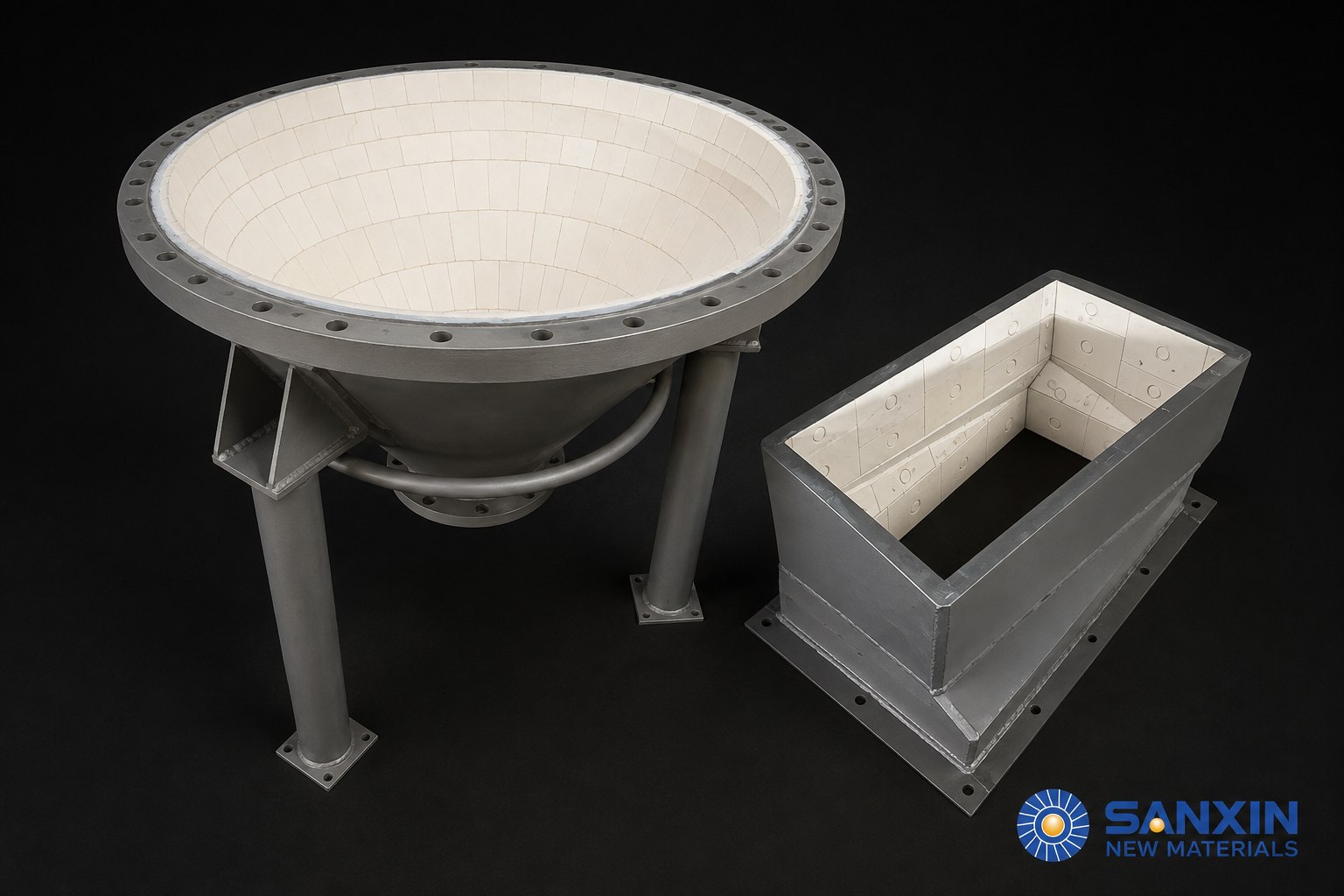
Investigate bonded bin-liner detachment through preserved separation surfaces, substrate condition, thermal exposure and the installation record.
Report ceramic liner trial observations with exposure and inspection limits while keeping projected life and maintenance savings separate from verified findings.
Prepare ceramic-lined pipe installation handover with orientation, bore alignment, edge condition and complete-system release checks before evaluating wear.
Plan a ceramic wear-material change by identifying media, liner and transfer-surface contributions and separating product-quality findings from equipment wear.
Review local ceramic tile retrofits around exposed leading edges, retained lining, support and installation evidence before returning equipment to service.
Review ceramic lining where a storage bin meets its hopper by checking changes in slope, panel boundaries, finished openings and maintenance access.
Plan a ceramic-lined fly-ash branch review using installed geometry, operating sequences and inspections of the junction and both outlet transitions.
Connect alumina wear-resistance discussions to identified material, processing information and relevant tests without treating a manufacturing term as proof.
Look beyond a ceramic composition label by reviewing processing evidence, defects, surface condition and relevant abrasion testing for the supplied component.
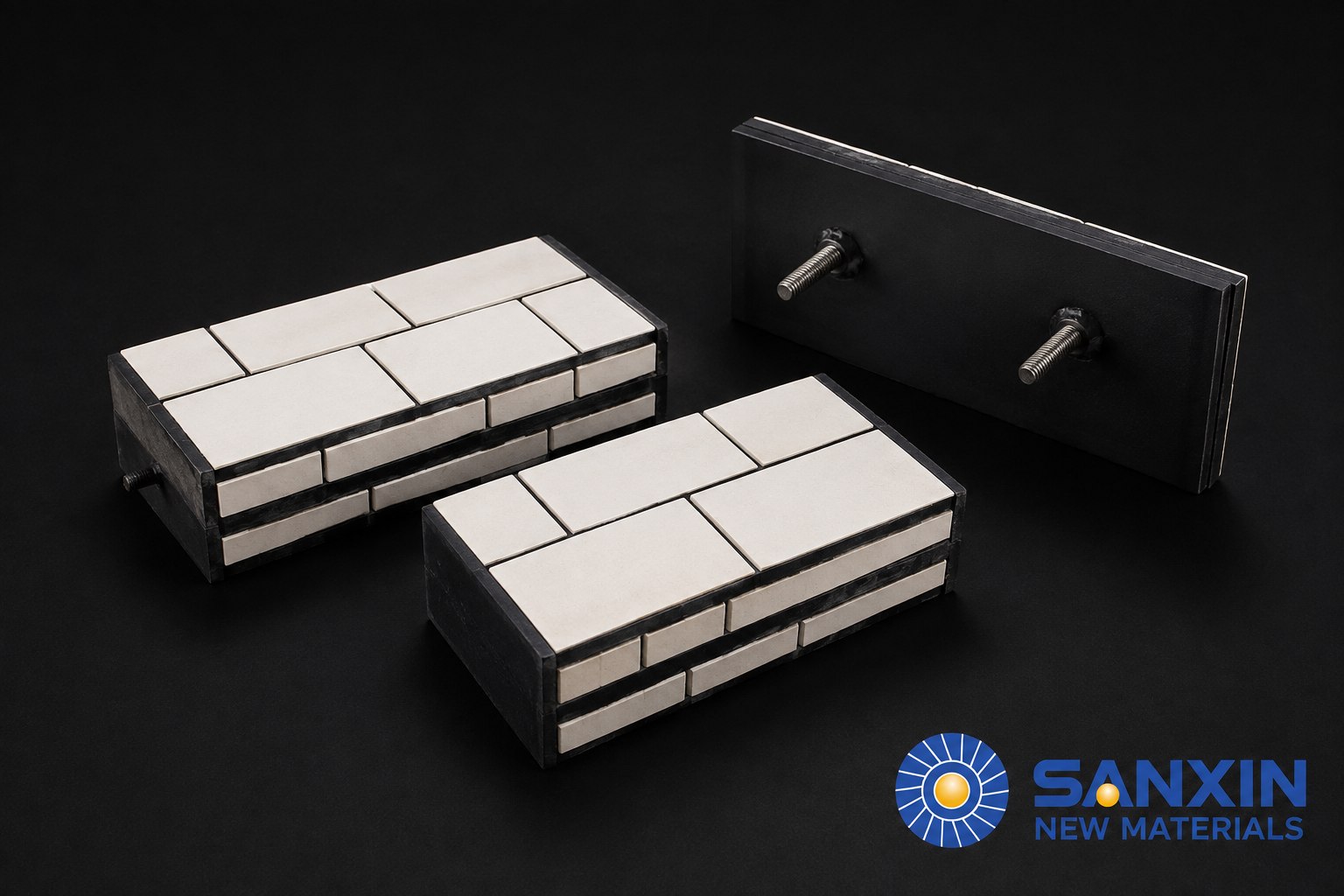
Plan a mining-panel evaluation that records feed variation, impact events, exposed rubber and attachment condition rather than only average abrasion.
Use a forming-route discussion to clarify the finished geometry, inspection and material evidence required for a dry-pressed alumina wear component.
Plan a condition review of ceramic tiles, support and neighboring equipment after unusual feed or a buildup release changes the expected loading.
Assess a ceramic-lined component across production, cleaning and idle conditions, with separate evidence for its ceramic, joints and backing.
Review coal-handling ceramic lining with moisture variation, buildup observations and cleaning access recorded separately from abrasive wear condition.
Specify fly-ash ceramic pipe inquiries by transport mode, moisture, process contact and complete assembly details rather than using one generic ash description.
Prepare ceramic-lined spool replacement drawings with fixed flange positions, finished bore, termination details and an installation fit plan.
Compare bonded and mechanical ceramic liner proposals by support, environment, hidden-work inspection and renewal requirements rather than method labels.
Interpret scratch-hardness descriptions alongside abrasion, fracture and assembly evidence without using one scale as a universal service-performance predictor.
Plan a staged ceramic retrofit that preserves structural functions, resolves transitions to retained steel and measures the result against a defined baseline.
Distinguish a supported ceramic liner insert from a mechanically loaded tube and review end support, fit and assembly responsibilities accordingly.

Submit your demand,
we will contact you ASAP.

Sanxin New Materials Co., Ltd. focus on producing and selling ceramic beads and parts such as grinding media, blasting beads, bearing ball, structure part, ceramic wear-resistant liners, Nanoparticles Nano Powder


 English
 English
 Russian
 French
 Spanish
 Portuguese
 Arabic