
Explore Sanxin technical guides →
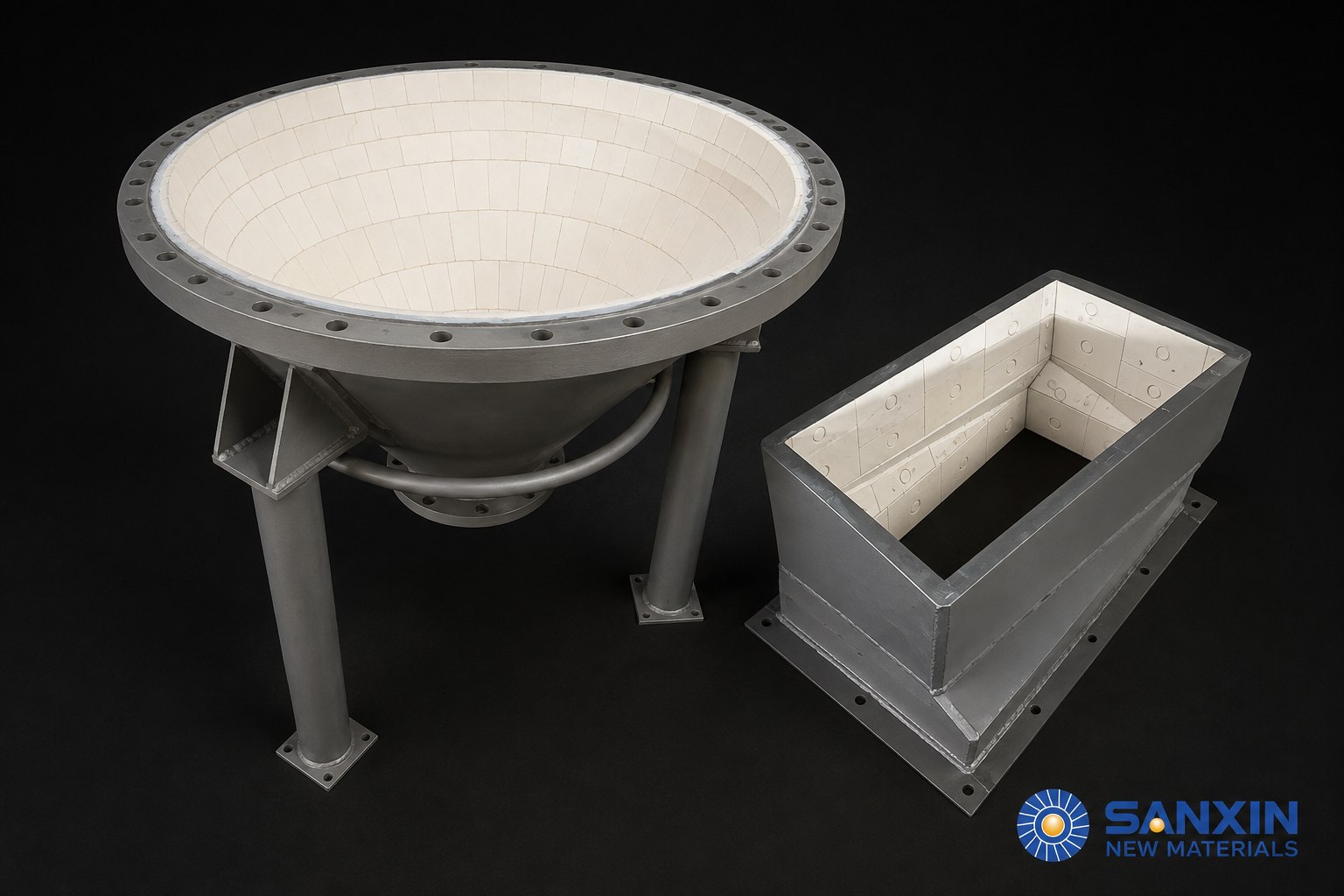
Distinguish abrasion, impact, thermal damage and attachment problems before selecting a ceramic protection concept for cement equipment.
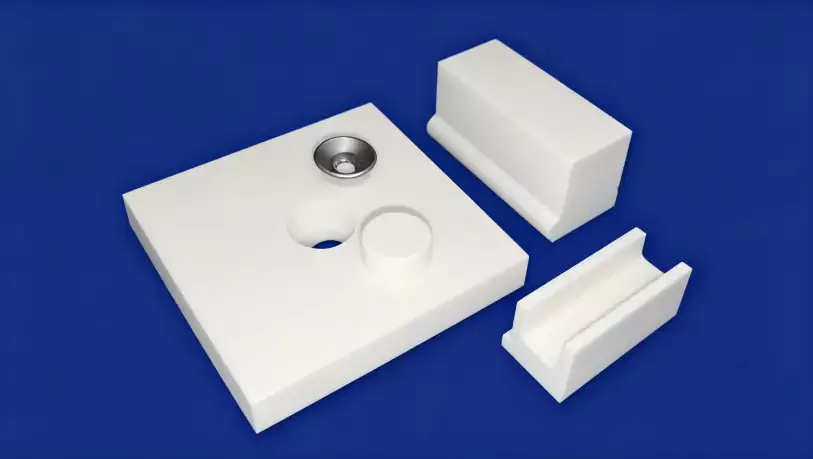
Review mill geometry, liner support, attachment and operating constraints before considering an alumina wear protection change.
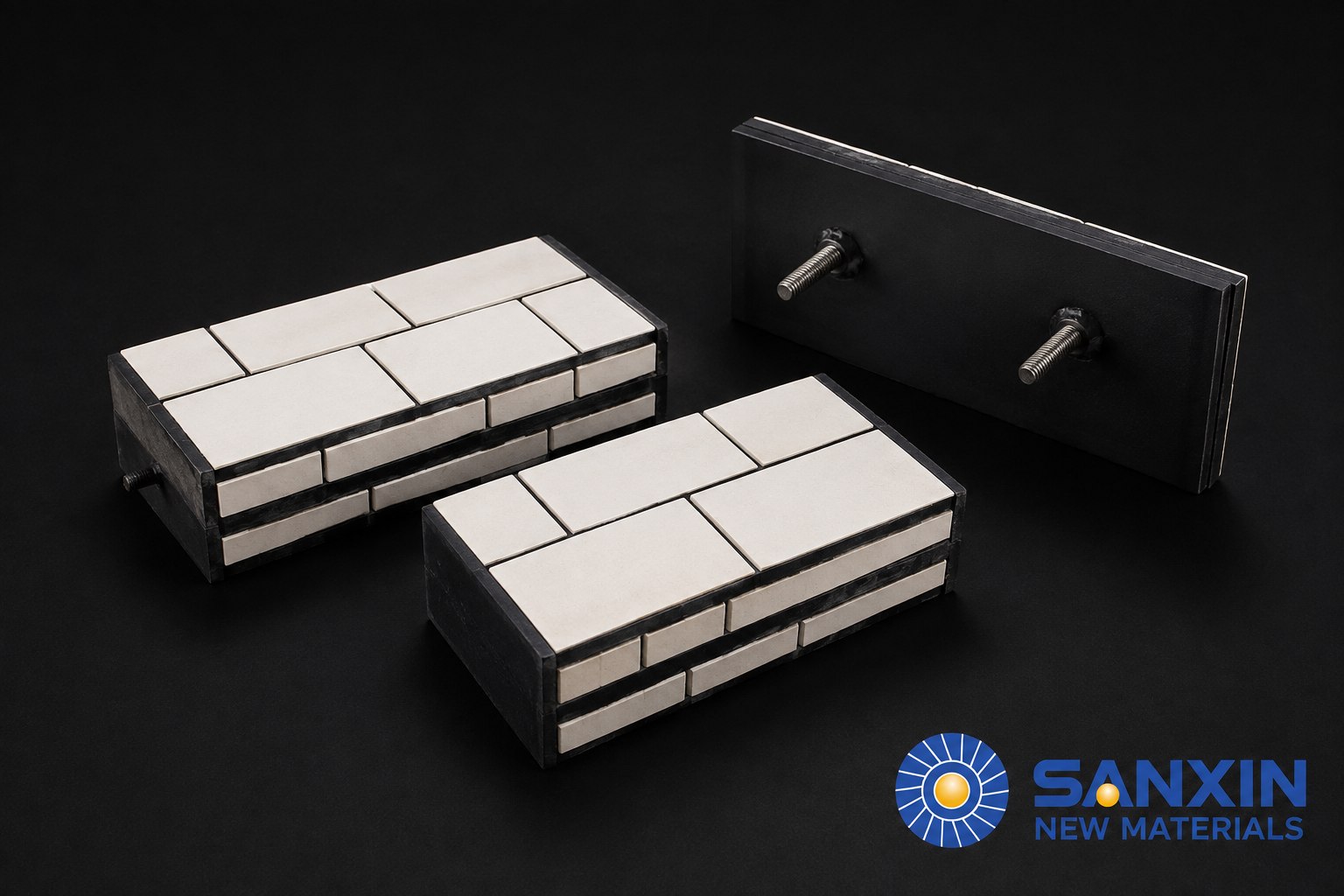
Assess impact duty through ceramic geometry, rubber interfaces, backing and support rather than treating vulcanization as a performance rating.
Review slurry loading, chemical exposure and lining interfaces before evaluating alumina protection for a desulfurization component.
Specify identity, dimensions, construction and handover evidence when buying alumina wear ceramic instead of relying on broad material descriptions.
Create a practical inspection and renewal decision for ceramic liner panels using identifiable locations, damage categories and maintenance consequences.
Evaluate ceramic mill lining through internal geometry, charge compatibility, attachment, mass distribution and an equipment-approved qualification plan.
Prepare incoming checks for ceramic tile identification, dimensions, damage and layout compatibility before installation conceals delivery problems.
Link ceramic liner spares to component maps, storage condition, attachment materials and replacement procedures before the next maintenance window.
Compare panel sizes and tile arrangements through joints, support, handling and partial replacement rather than assuming a larger liner is always better.
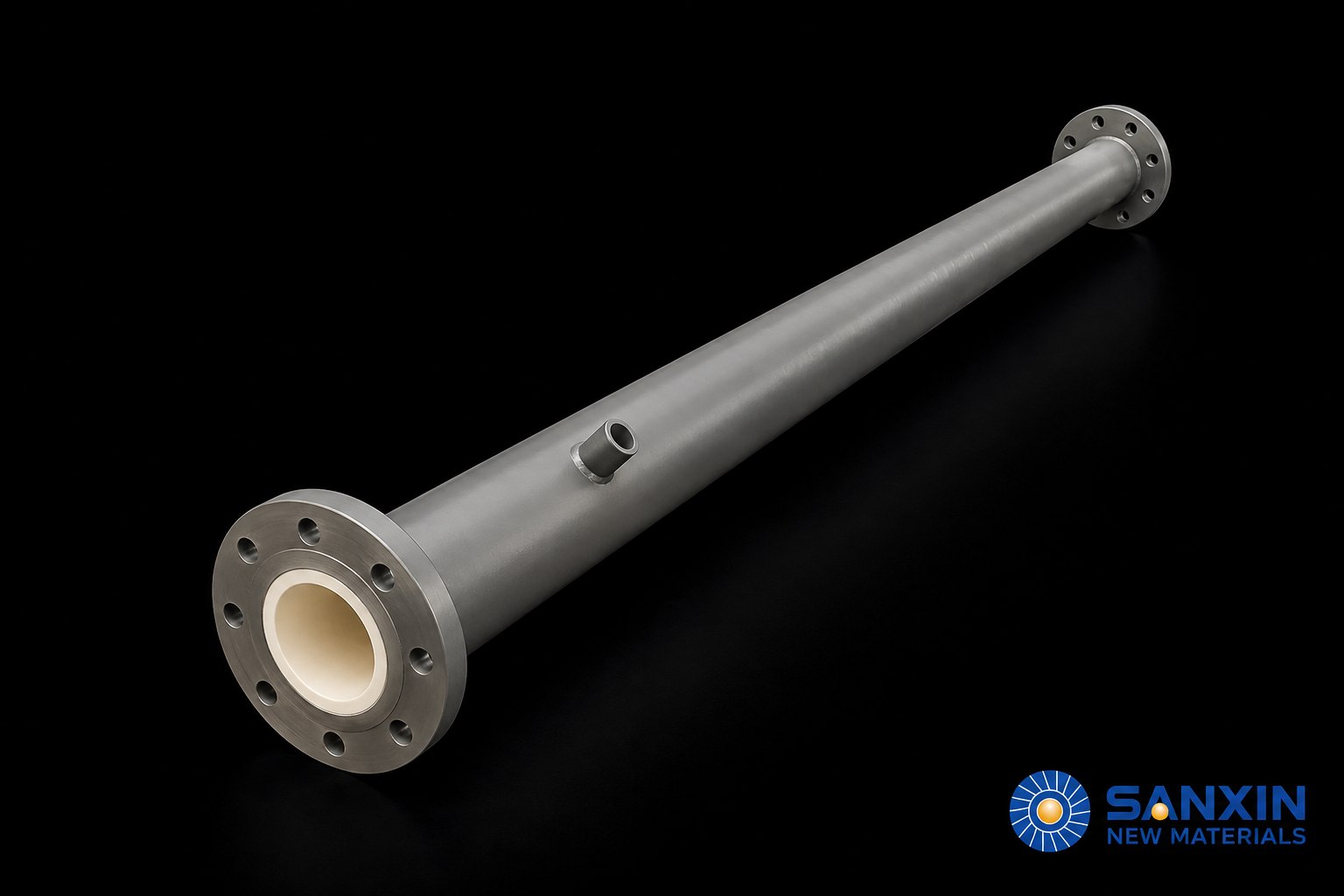
Set a process-specific sampling and contact-material review before considering an alumina tube in a lithium battery powder transfer system.
Choose a cement plant ceramic liner trial by matching damage mechanism, inspection access and operating stability to a defined evaluation plan.
Evaluate energy and carbon claims for alumina lined pipes through measured system conditions, geometry changes and a defined comparison boundary.
Review ring geometry, joints and finished bore when considering trapezoidal ceramic tiles for a coal powder conveying pipe.
Define operating transitions, thermal exposure and attachment conditions before evaluating alumina ceramic for a demanding industrial duty.
Evaluate alumina lining for a chemical process by identifying the actual medium and reviewing exposed interfaces, ingress paths and assembly evidence.
Use particle condition, contact geometry and a defined wear endpoint to decide which evidence matters when considering a hard ceramic surface.
Separate hot process exposure, cooling conditions and abrasive transfer duties when considering ceramic protection in metallurgical equipment.
Review material evidence, fired dimensions, integrity and assembly interfaces when assessing an isostatically formed alumina tube proposal.
Assess chemical composition, joints, seals and structural requirements when considering a ceramic composite pipe for abrasive chemical media.
Classify sliding, impingement and mixed loading before carrying an alumina liner idea from one equipment application to another.
Set observable replacement criteria for an alumina liner trial and distinguish ceramic surface wear from attachment and backing deterioration.
Interpret alumina hardness information alongside specimen identity, test method and assembly requirements before choosing a wear tile.
Review ceramic placement, rubber compatibility, backing and attachment as one assembly when preparing a ceramic rubber composite liner inquiry.

Submit your demand,
we will contact you ASAP.

Sanxin New Materials Co., Ltd. focus on producing and selling ceramic beads and parts such as grinding media, blasting beads, bearing ball, structure part, ceramic wear-resistant liners, Nanoparticles Nano Powder


 English
 English
 Russian
 French
 Spanish
 Portuguese
 Arabic