
Explore Sanxin technical guides →
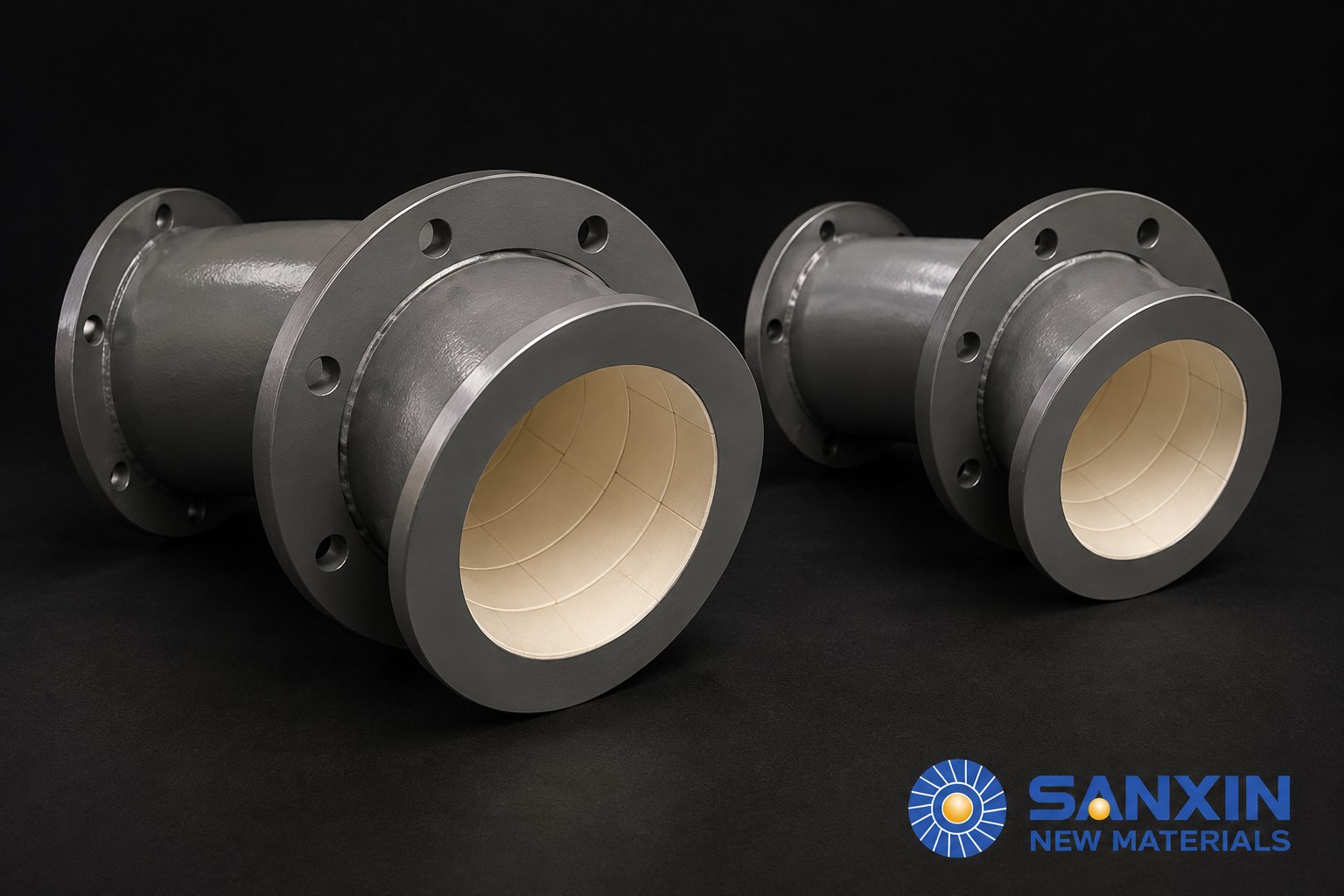
Investigate upstream fittings, alignment and operating changes when concentrated bend wear persists despite changes to the lining material.
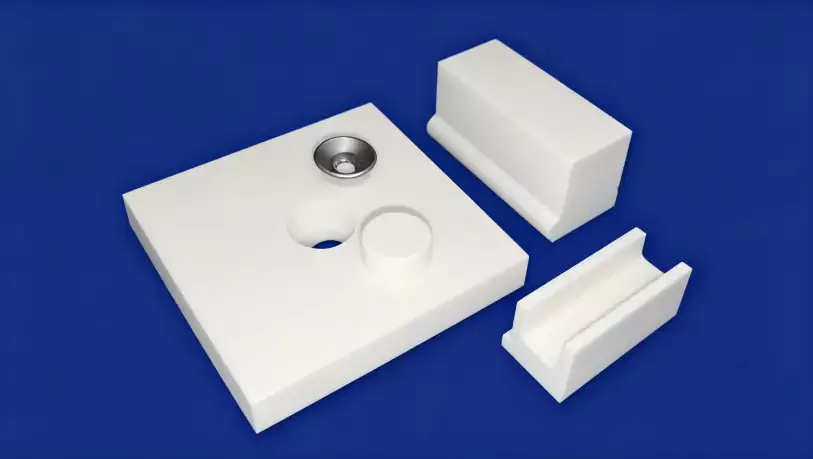
Classify face wear, chips, cracks and detachment before requesting alumina ceramic properties or changing a liner specification.
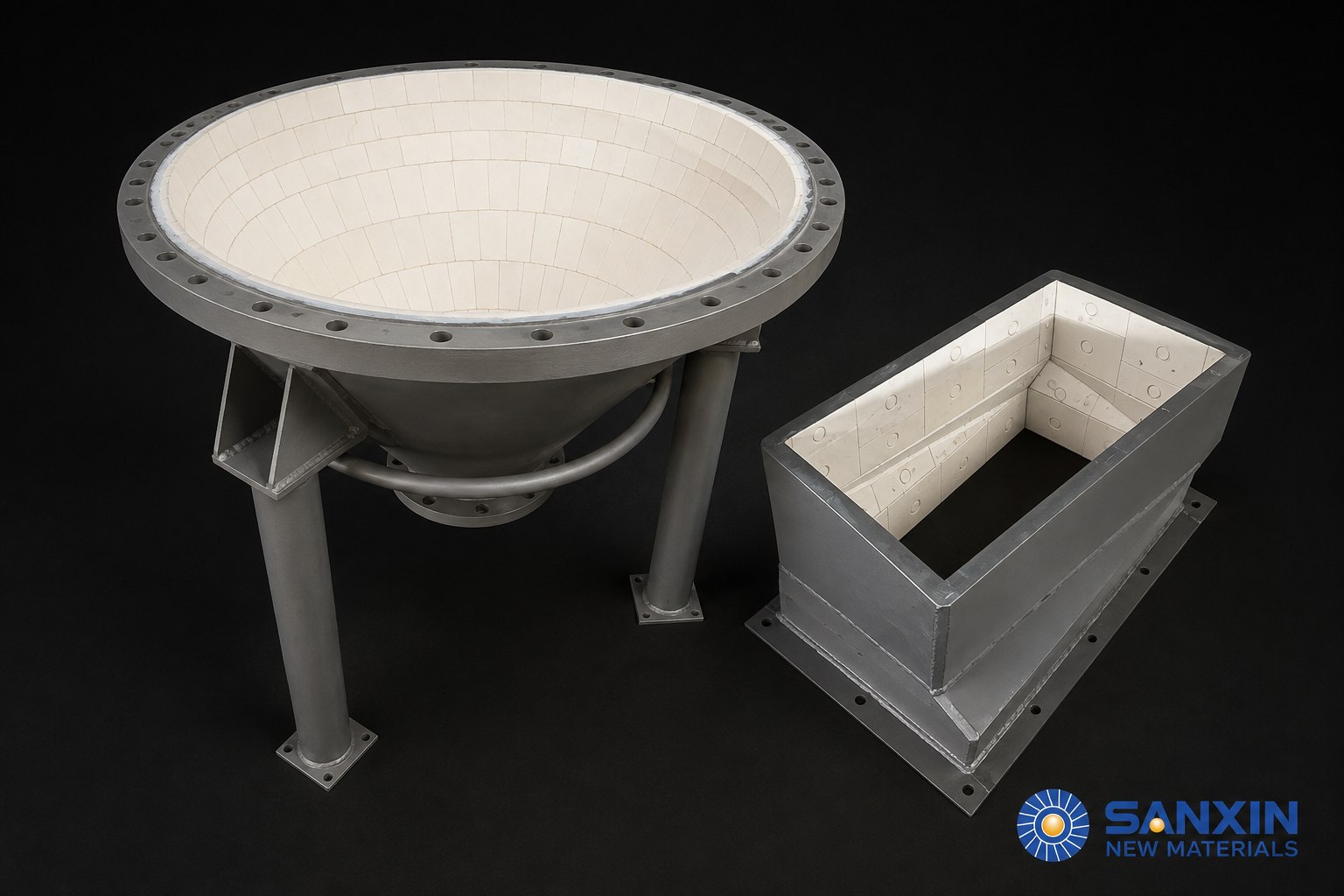
Resolve application data, installation responsibilities, acceptance checks and maintenance planning before using projected ceramic-liner savings in a purchase decision.
Select coal-handling lining candidates using observed wear, lump impact, wet buildup, access and the site's equipment and safety review.
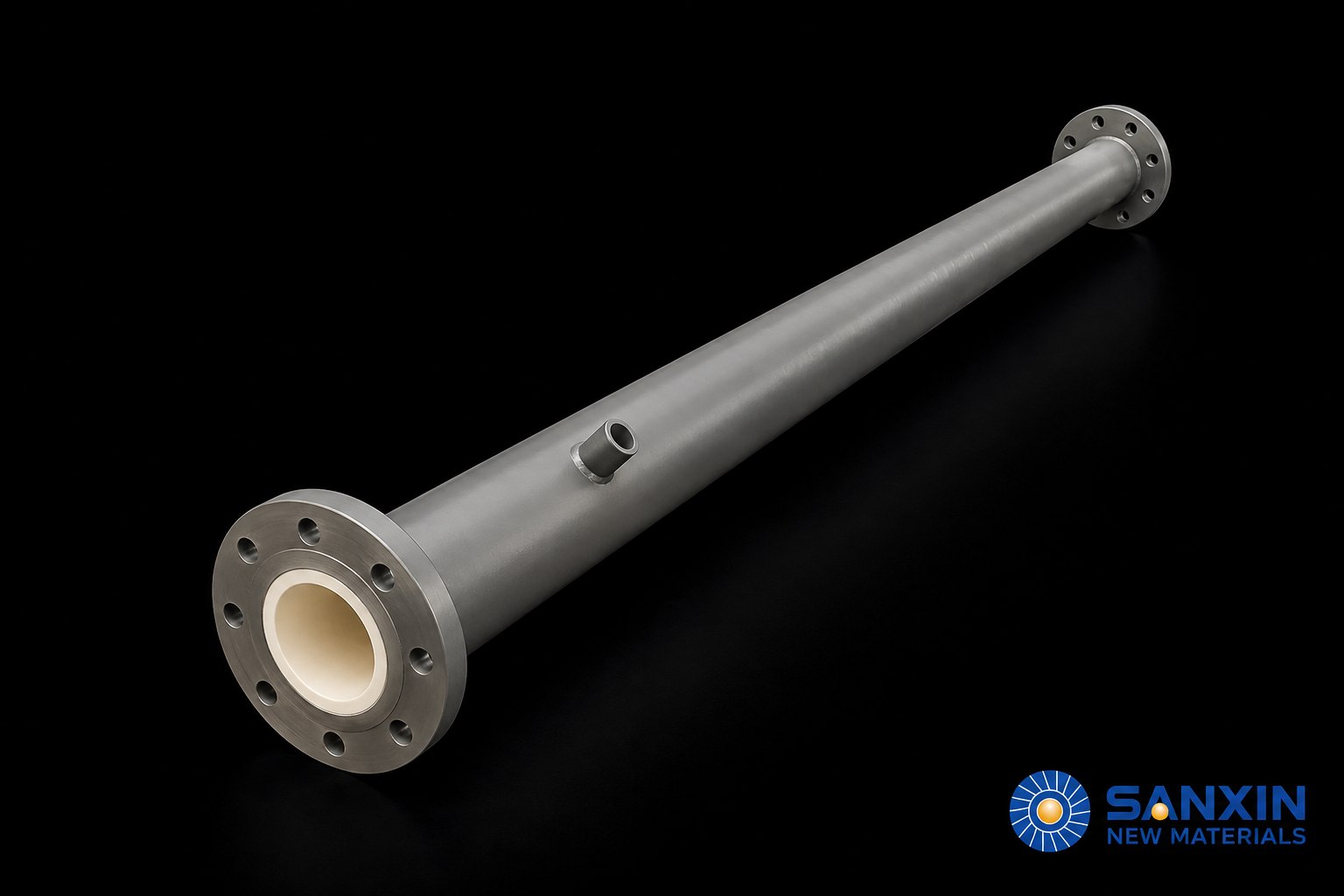
Review ceramic-lined steel pipe for cement powder transfer around gravity discharge, conveying transitions, finished bore and maintenance access.
Specify an ash-handling ceramic-lined pipe review that includes startup, shutdown, blockage-clearing conditions and repeatable maintenance inspections.
Review slurry and tailings ceramic lining through solids contact, chemical exposure and transitions while retaining the approved pressure-boundary design.
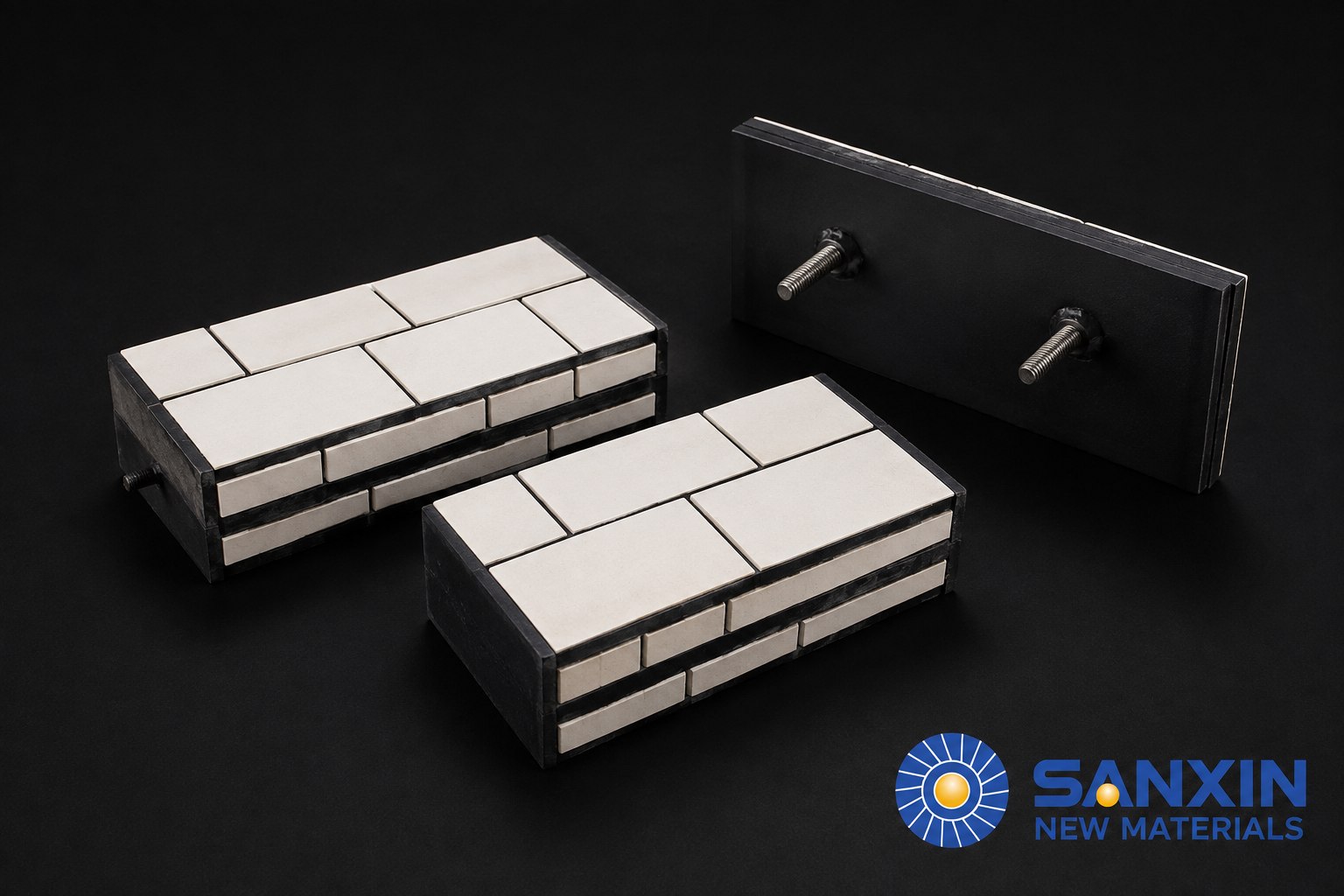
Compare composite liner panel arrangements through handling, mounting, joints and replacement access without assuming a universal service-life benefit.
Review composite liner construction by defining layer identity, interface inspection, sample relevance and traceability within the agreed purchase scope.
Trace ash-line elbow wear, startup events and downstream transitions before defining a ceramic-lined replacement and inspection plan.
Assess ceramic-lined transfer for battery-material powders through product compatibility, contamination controls, cleanability and representative testing.
Plan an existing-bin ceramic liner layout around measured geometry, access openings, panel boundaries and an installation sequence that can be checked.
Prepare a custom alumina component inquiry with controlled drawings, functional interfaces, realistic acceptance checks and explicit application boundaries.
Review ceramic, rubber and steel panel layers through their interfaces, impact-related evidence, edge support and intended installation conditions.
Review alumina ball-mill lining with the equipment owner, connecting geometry, media interaction, retention and installation checks to the mill design.
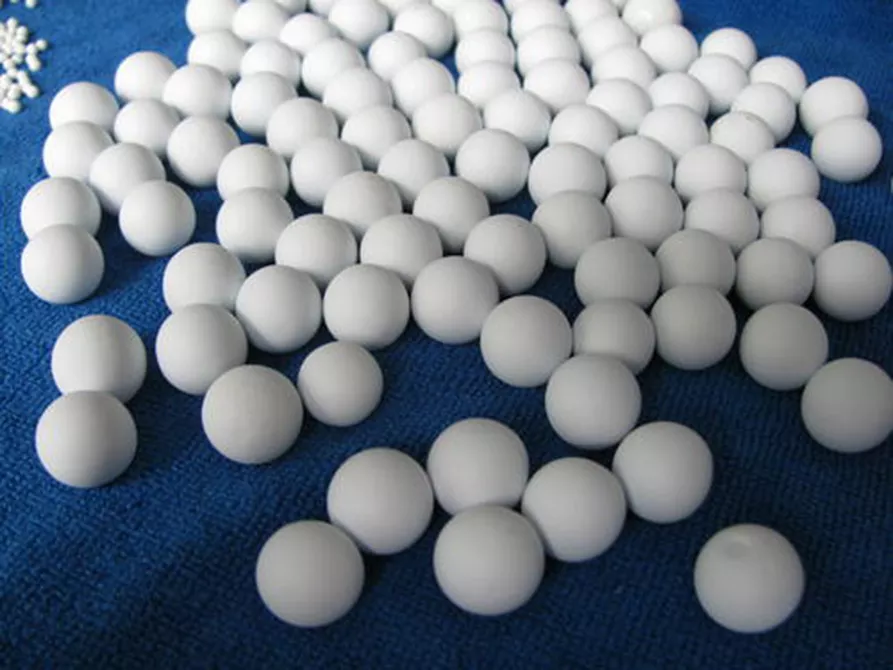
Plan a mineral-processing alumina media trial using feed information, mill compatibility, product-size checks and contamination evidence tied to the process.
Examine ceramic layout, rubber condition, edge support and attachment details when evaluating a composite liner for mixed abrasion and impact duty.
Review shell condition, added mass, panel support and replaceability before selecting a ceramic lining for a heavily loaded equipment enclosure.
Review finished bore, transitions, operating data and inspection access when considering ceramic lining for an abrasive pneumatic conveying line.
Separate laboratory abrasion data, impact behavior and installed geometry when comparing alumina ceramic and wear-resistant steel protection.
Map a mining chute into impact, sliding and discharge zones to review ceramic lining geometry, support and a representative maintenance trial.
Prioritize possible ceramic lining locations by abrasion, impact, accessibility and system constraints rather than choosing every component in an industry.
Understand how hardness, wear testing, strength and chemical data contribute to a liner decision while keeping their practical limits visible.
Compare ceramic, polyurethane and wear-steel liners against the contact pattern, temperature, chemical exposure and repair constraints of the same duty.

Submit your demand,
we will contact you ASAP.

Sanxin New Materials Co., Ltd. focus on producing and selling ceramic beads and parts such as grinding media, blasting beads, bearing ball, structure part, ceramic wear-resistant liners, Nanoparticles Nano Powder


 English
 English
 Russian
 French
 Spanish
 Portuguese
 Arabic