
Explore Sanxin technical guides →
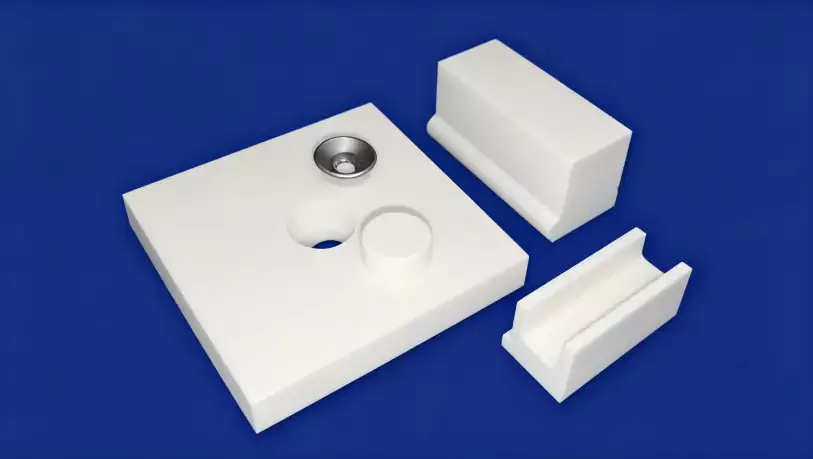
Review changed ceramic property documents without silently substituting a new material identity or overwriting the evidence accepted for an earlier order.
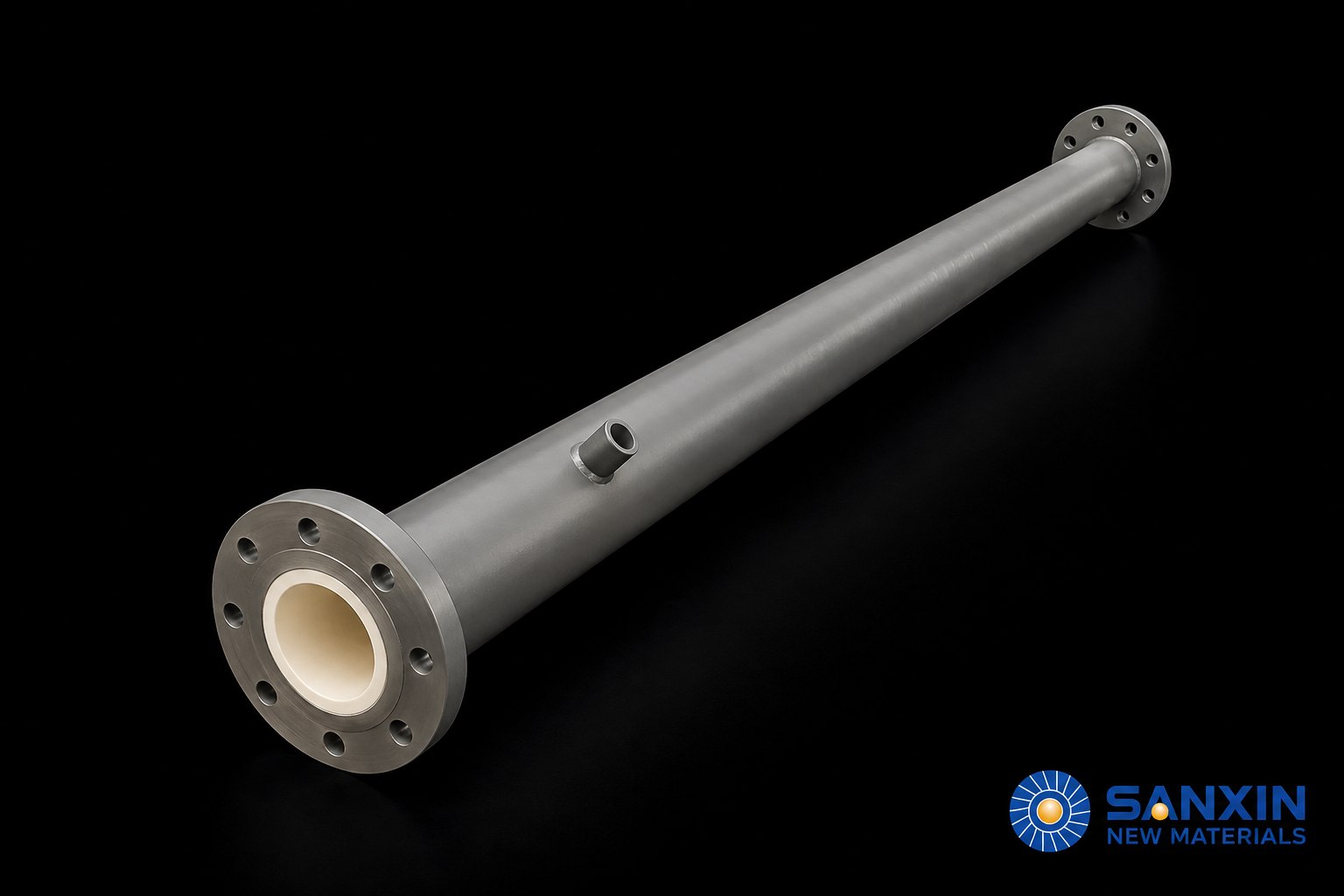
Interpret ceramic pipe service intervals with delivery, installed baseline, startup and inspection dates identified separately rather than using an invoice as operating history.
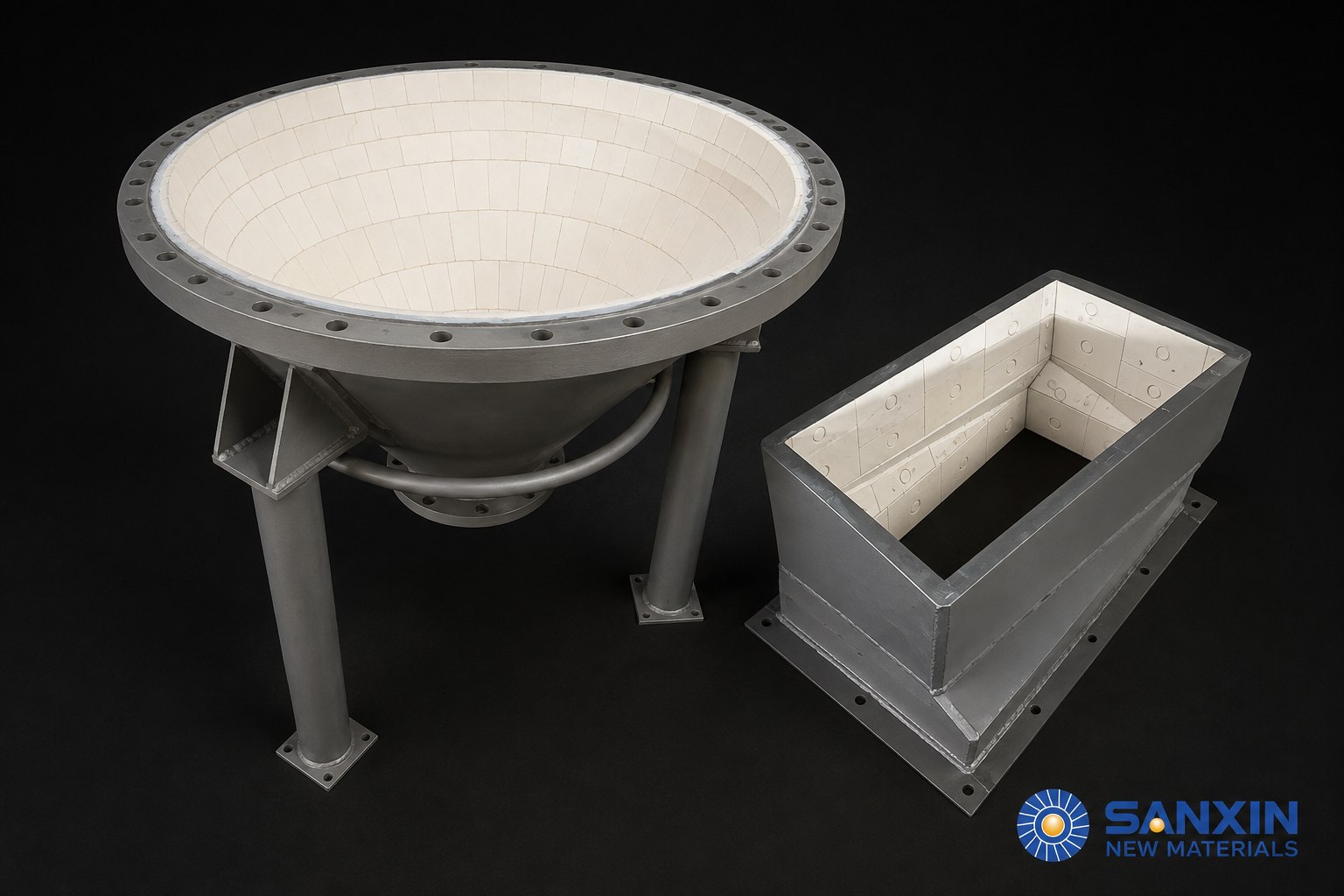
Review steelworks hopper ceramic composite lining with holding periods, thermal and chemical exposure, support and discharge conditions identified together.
Clarify which pipe lining interface a bonding description covers, with separate acceptance records for ceramic attachment, segment joints and complete assembly release.
Control flanged ceramic pipe spare applicability when equipment changes, using the accepted mating connection and installed configuration rather than a stock label alone.
Use a shared ceramic tile specification across steel, cement and power plants while keeping local service conditions and application exceptions visible.
Keep dust-stream identity, sample context and operating changes tied to the specific duct wear region instead of relying only on the upstream raw-material name.
Identify the protected region and functional opening requirements before reviewing a ceramic concept for a steelworks screening component.
Assess whether an offered ceramic pipe construction addresses the actual duty, interfaces and evidence needs rather than choosing from a general experience statement.
Preserve component history and current route identity when plant naming or document references change during a ceramic lining maintenance program.
Review ceramic pipe terminations, transitions and operating exposure for every intended transfer direction instead of qualifying only a one-way description.
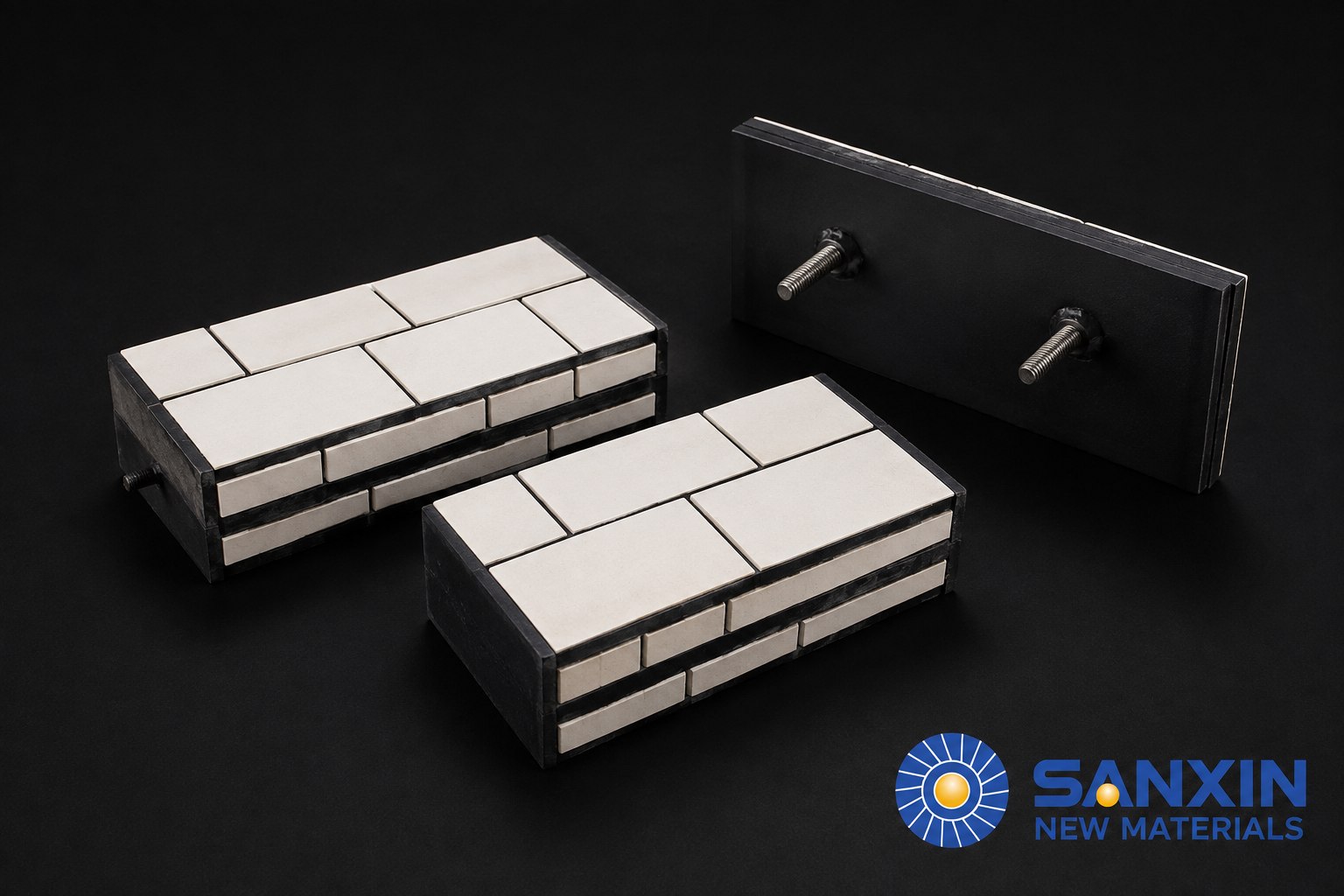
Record residue and examination state when reviewing ceramic composite wear protection in a weighing hopper, without interpreting a weighing indication as liner condition.
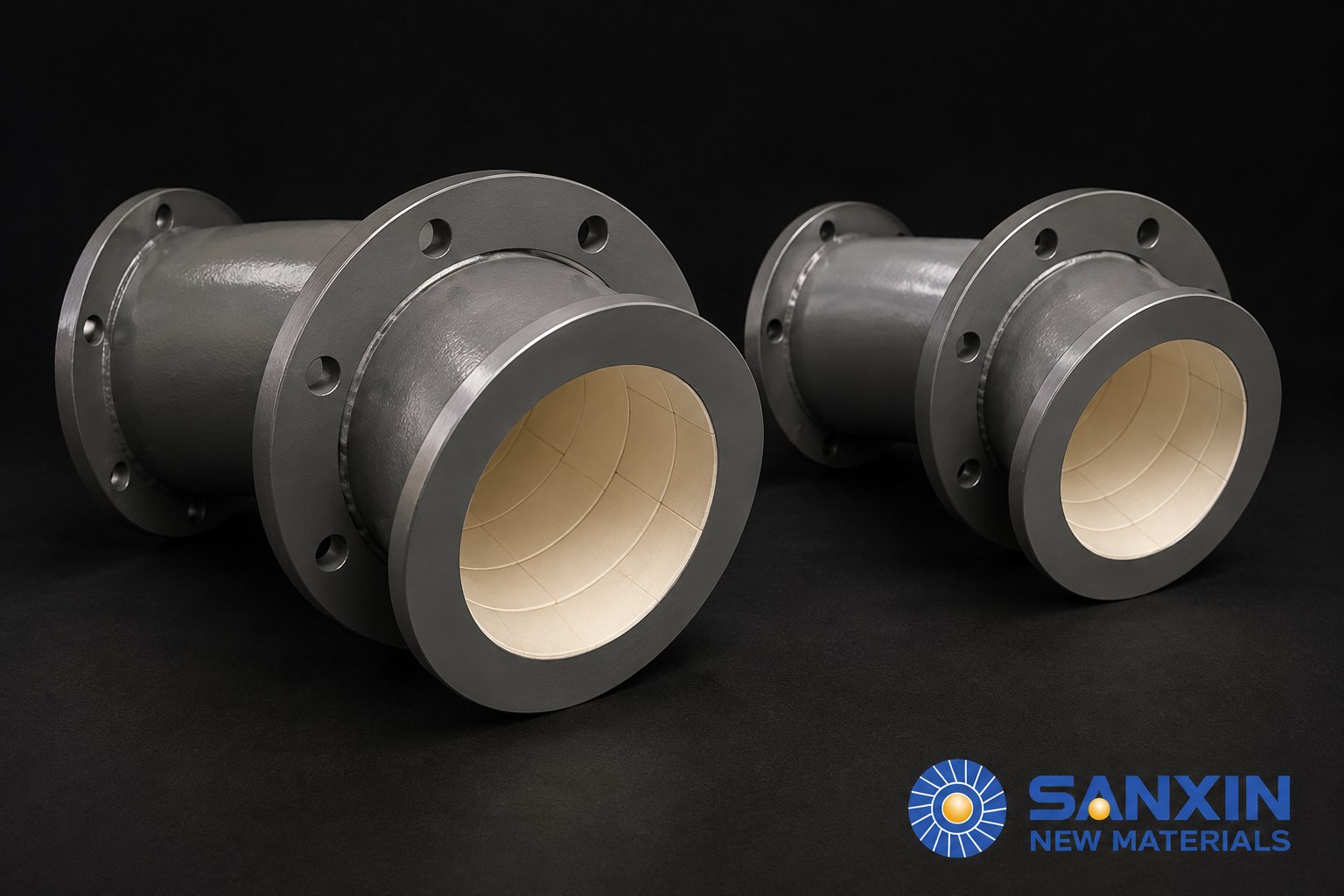
Use a clear installed reference for elbow orientation, connection faces and route geometry before accepting a ceramic-lined replacement.
Preserve material identity, exposure and appearance evidence before treating a color change on ceramic as a defect or a performance conclusion.
Clarify dimension references for ceramic, backing, intermediate layers and installed geometry before comparing liner proposals.
Keep adhesive, rubber and other joining-product changes visible when a ceramic composite panel installation differs from its reviewed construction.
Connect manufacturing-stage information with the delivered geometry and material identity rather than treating a process description as finished-part acceptance.
Verify construction, connections and accepted duty before treating a nominally similar ceramic-lined spool as a shared spare across plant systems.
Preserve removed ceramic trial component condition and disposition before returning an item to stock, with reuse applicability and open checks explicit.
Preserve identification and relevant end-face observations when storing, handling and installing a ceramic tube within its accepted assembly.
Use broad ceramic application information to ask a defined feasibility question without assuming every specialized part or operating result is offered.
Describe coatings, retained layers and substrate condition when reviewing a proposed bonded ceramic lining rather than treating every wall as bare steel.
Keep unused or adjusted ceramic pieces separate from controlled spares until identity, geometry and intended installation requirements are established.
Keep ceramic surface replacement dates separate from retained backing, attachment and substrate history when evaluating a renewed wear assembly.

Submit your demand,
we will contact you ASAP.

Sanxin New Materials Co., Ltd. focus on producing and selling ceramic beads and parts such as grinding media, blasting beads, bearing ball, structure part, ceramic wear-resistant liners, Nanoparticles Nano Powder


 English
 English
 Russian
 French
 Spanish
 Portuguese
 Arabic