
Explore Sanxin technical guides →
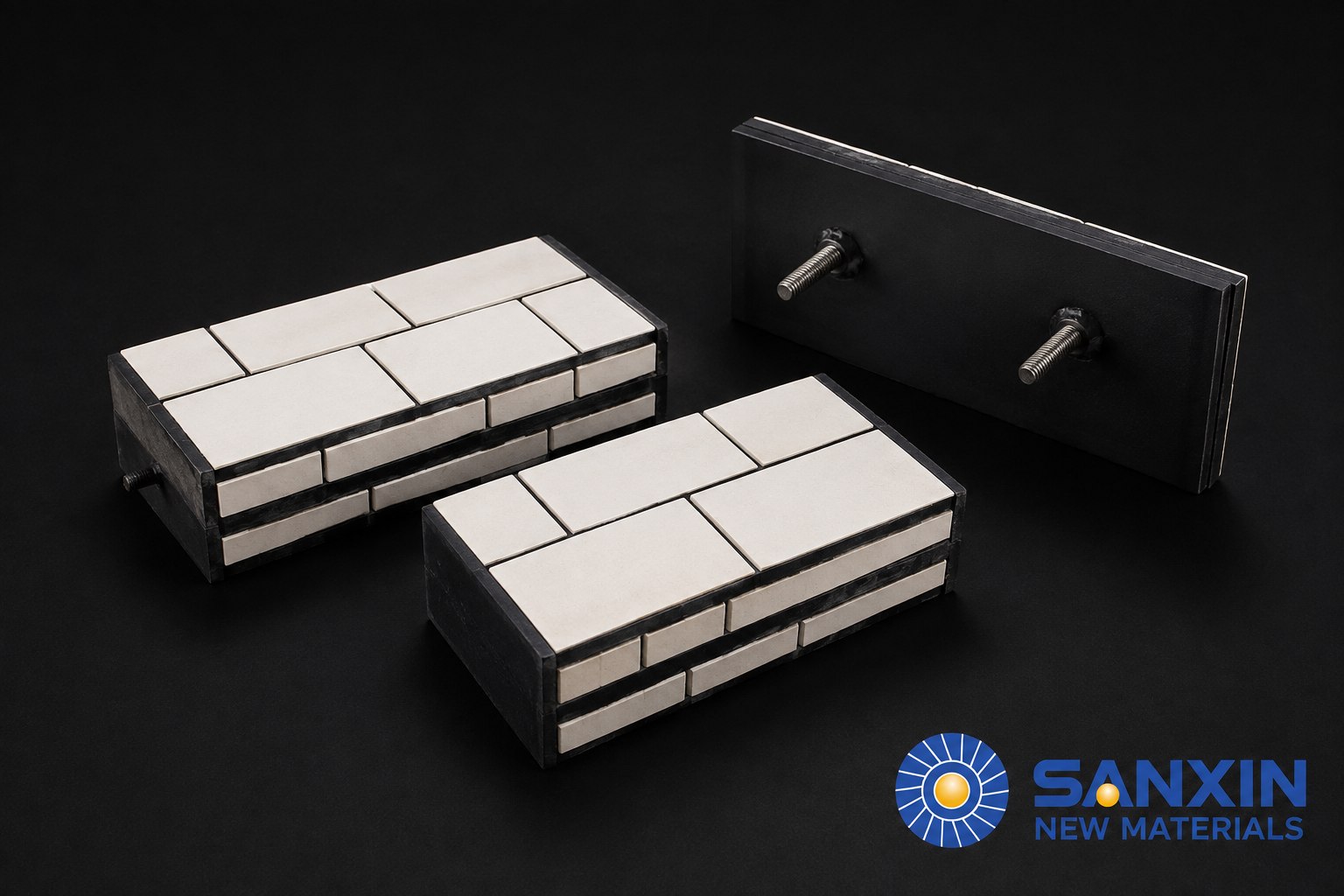
Define the state and references used to inspect ceramic rubber panel geometry before comparing loose-part dimensions with the installed arrangement.
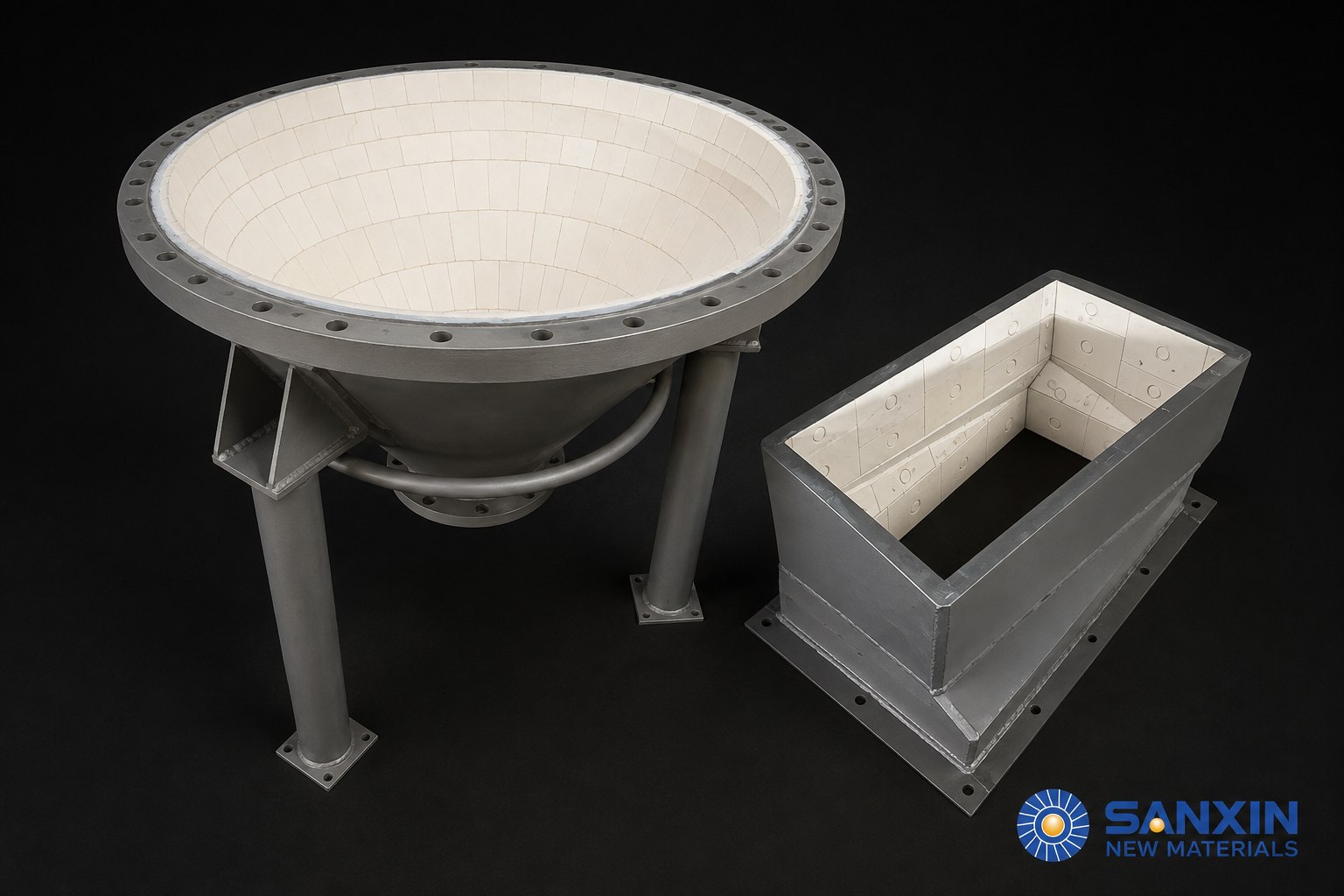
Preserve the link between steelworks chute panels, their construction records and installed positions when preparation or repair removes the original labels.
Identify metallic retention parts and their accepted construction evidence when reviewing welded ceramic lining for hot service.
Preserve the original acceptance basis and record a revised maintenance criterion without silently reclassifying historical ceramic liner trial outcomes.
Use blade-position references and accepted rotor records when reviewing ceramic wear protection or local repairs on a fan impeller.
Read product-specific adhesive timing requirements as separate stages when planning ceramic liner work instead of using one generic time limit.
Distinguish a reported average density from evidence of spatial consistency when reviewing an isostatically formed ceramic component.
Review port sections, internal ceramic coverage and support in a spherical branch fitting instead of relying on its exterior shell shape.
Interpret mass-loss or volume-loss comparisons within their test method instead of treating a laboratory ratio as a ceramic pipe service-life multiplier.
Reconcile prior inspection coverage and approved maintenance-event history before assigning newly found ceramic pipe damage to a particular flushing stage.
Review how proposed metallic attachment work relates to retained bonded ceramic and other nearby assembly materials before a mixed-method repair.
Keep material identity, specimen preparation and examined surface clear before comparing hardness information for isostatically formed ceramic tubes.
Preserve the identity and instructions of each supplied adhesive component when planning a ceramic liner installation using a multi-component system.
Track which installed joint version and equipment state a ceramic ash-spool survey represents before reusing its connection measurements.
Interpret chute liner observations using position-specific installation and replacement histories rather than assigning every panel the age of the latest outage.
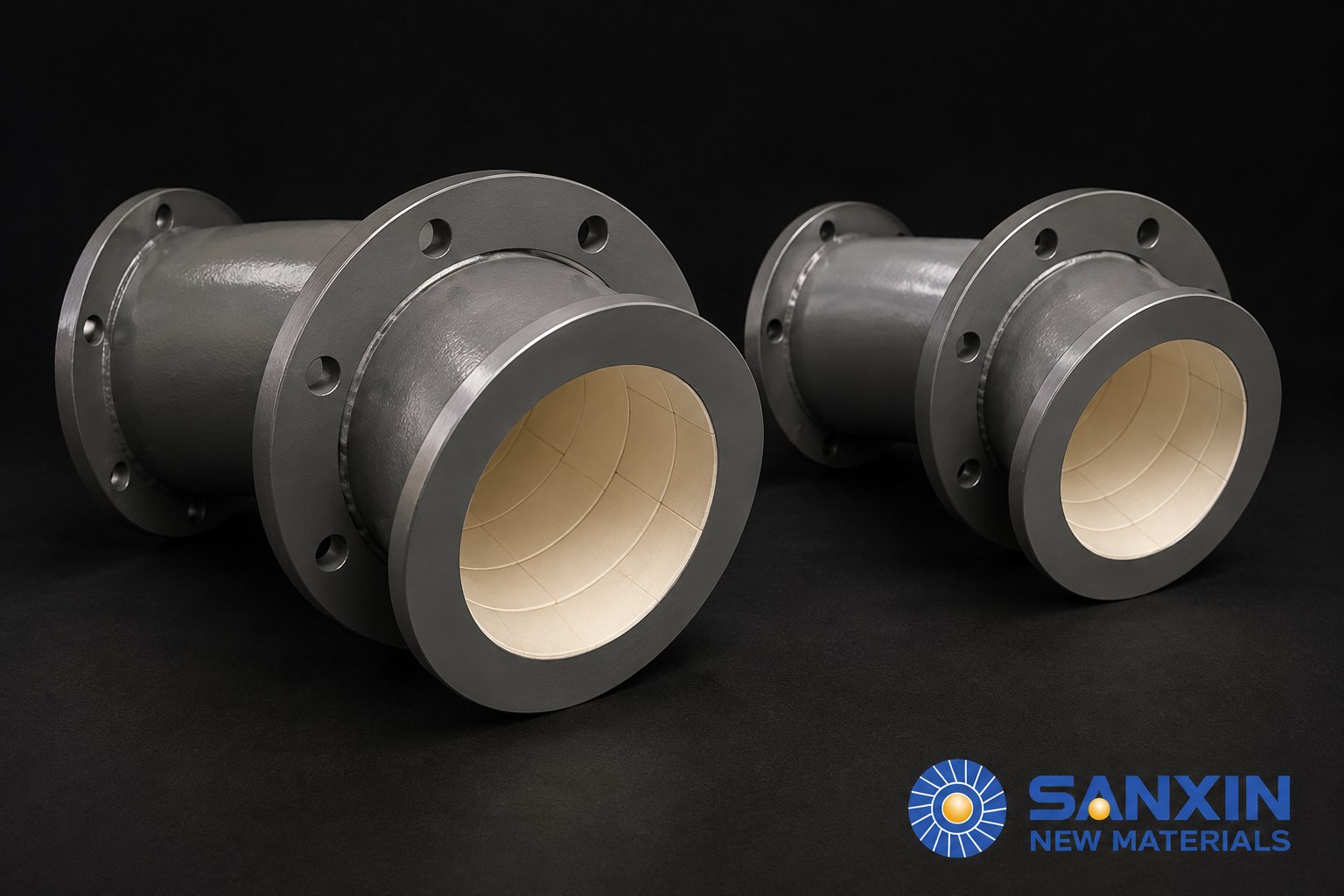
Clarify a supplier-described backpack elbow using its actual section, supply boundaries and installed envelope instead of assuming a standard construction or performance.
Keep working-face, support-side and substrate observations connected when investigating ceramic detachment instead of selecting a harder grade immediately.
Report what a ceramic trial actually encountered and distinguish demonstrated abrasion condition from impact loading that was never observed.
Keep maintenance changes, local exposure and pre-work condition traceable when other repairs occur near an installed ceramic wear lining.
Define which ceramic data support initial selection and which records or checks are actually required to accept the supplied order.
Distinguish ring and saddle packing descriptions from a column-specific material, support and process qualification before discussing ceramic supply.
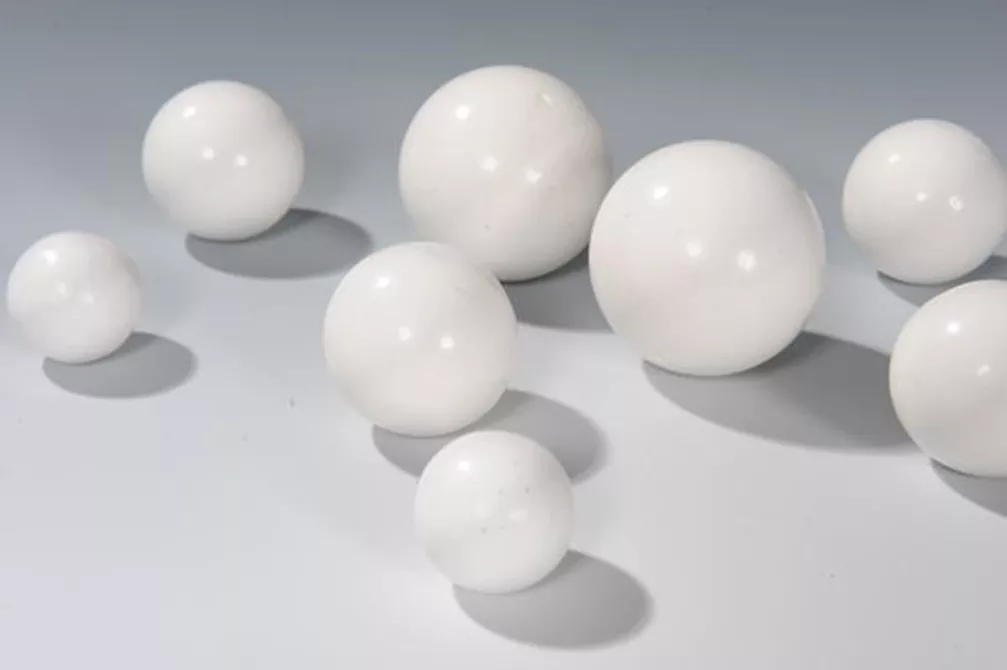
Identify support or packing duty, opening geometry and process compatibility when considering perforated ceramic balls for a chemical process.
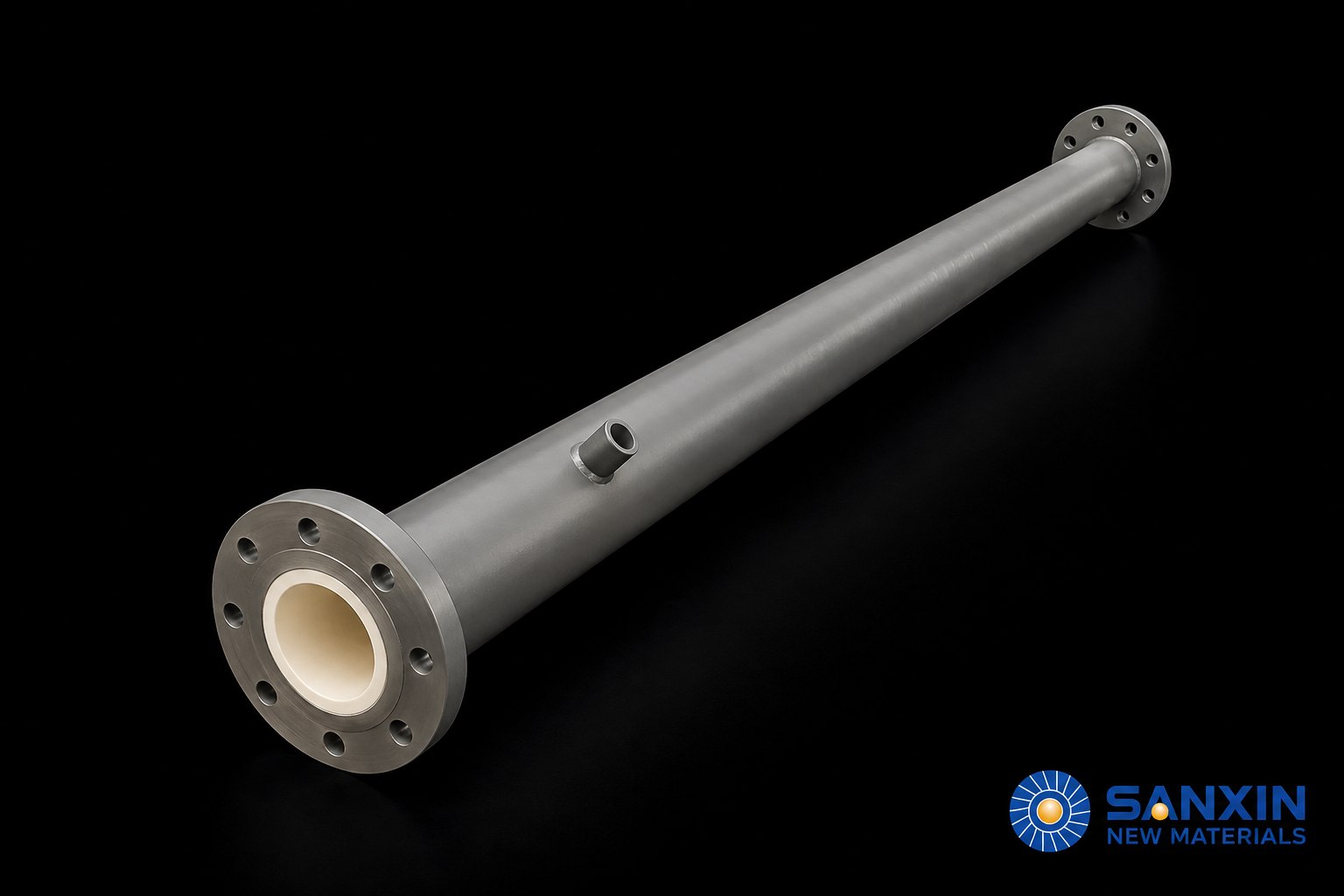
Clarify which pipe lining interface a bonding description covers, with separate acceptance records for ceramic attachment, segment joints and complete assembly release.
Control flanged ceramic pipe spare applicability when equipment changes, using the accepted mating connection and installed configuration rather than a stock label alone.

Submit your demand,
we will contact you ASAP.

Sanxin New Materials Co., Ltd. focus on producing and selling ceramic beads and parts such as grinding media, blasting beads, bearing ball, structure part, ceramic wear-resistant liners, Nanoparticles Nano Powder


 English
 English
 Russian
 French
 Spanish
 Portuguese
 Arabic