
Explore Sanxin technical guides →
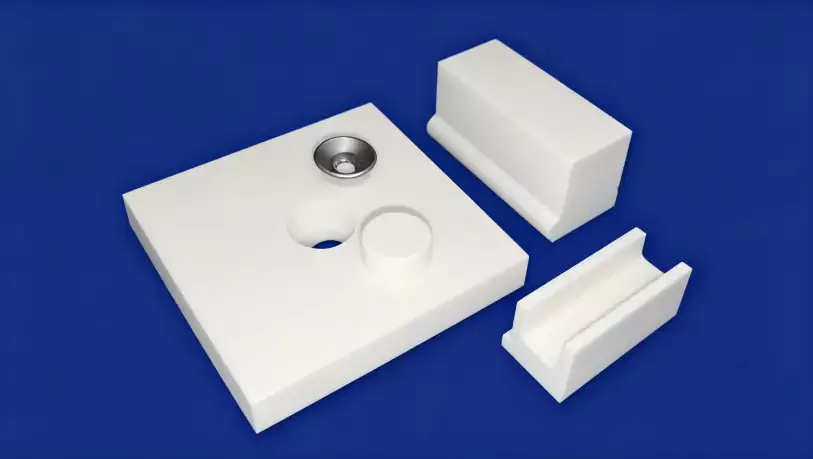
Keep alumina material information separate from protective armor approval when reviewing replacement parts, traceability and changes to an identified product.
Review ceramic liner adhesive selection through substrate, complete service exposure, preparation, curing and the inspection requirements of the actual product.
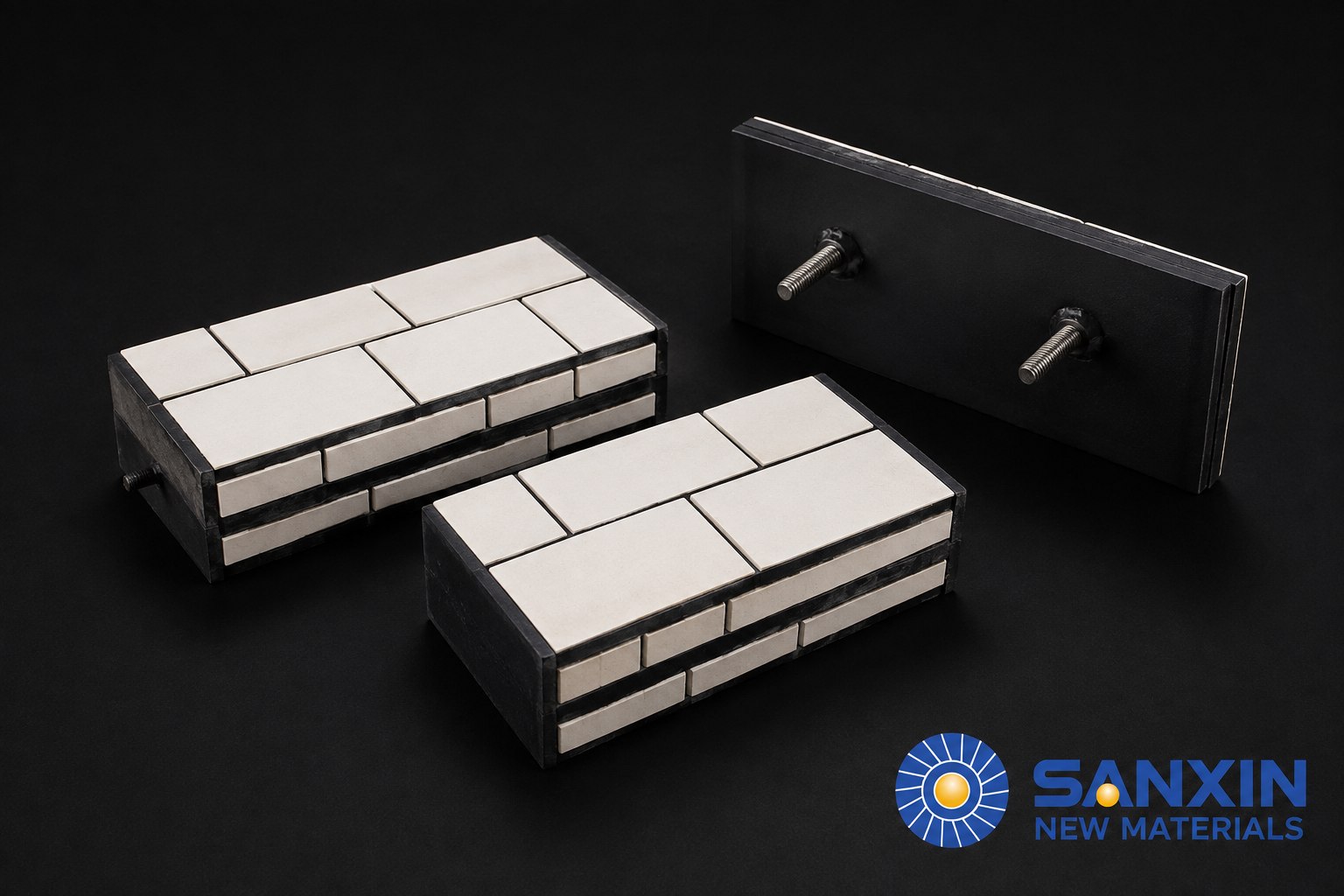
Review coke weigh-hopper ceramic composite lining through impact, added assembly mass, clearances and equipment-approved weighing checks before release.
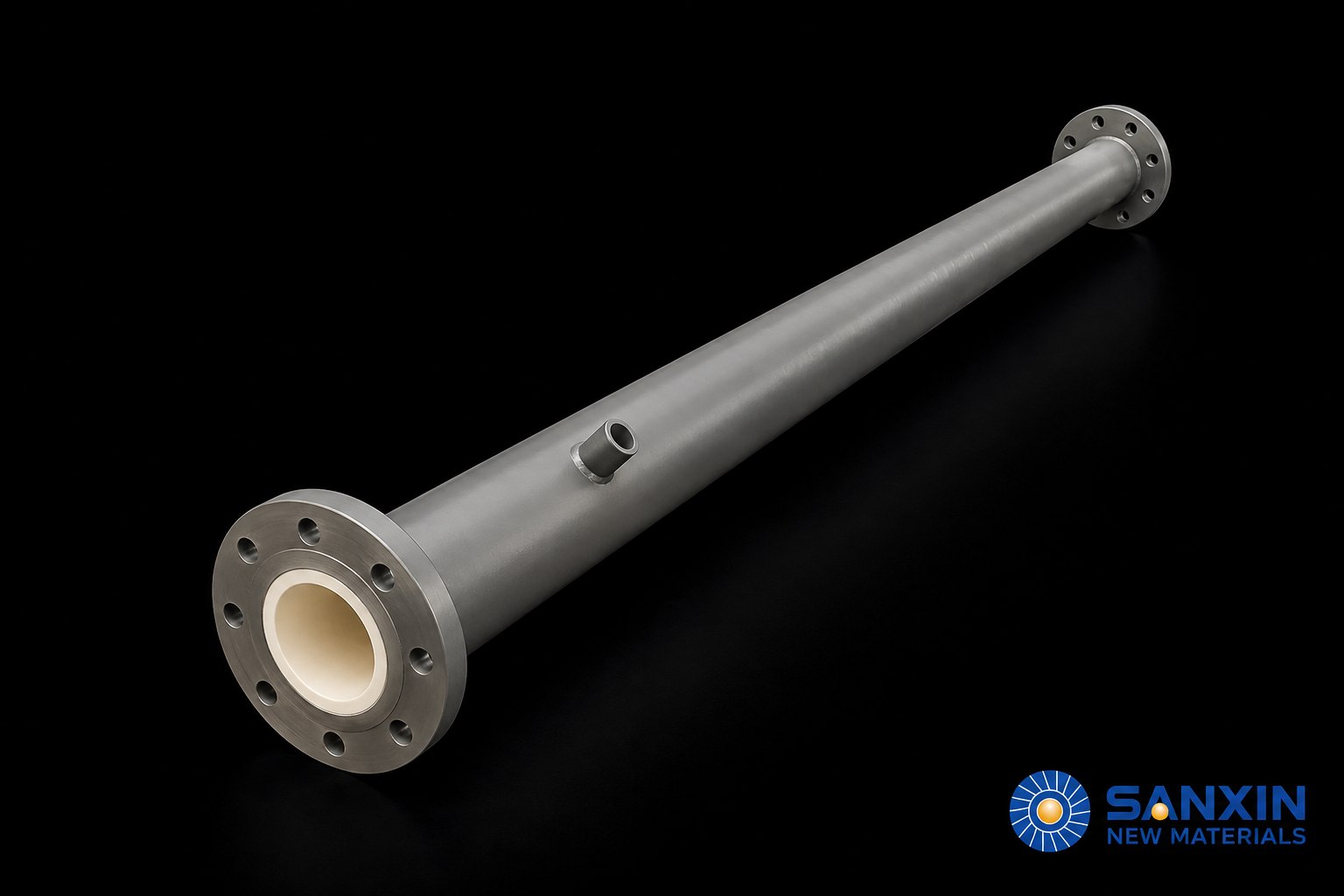
Review ceramic pipe wear with named circumferential and axial locations, consistent inspection coverage and separate records for edges and retention.
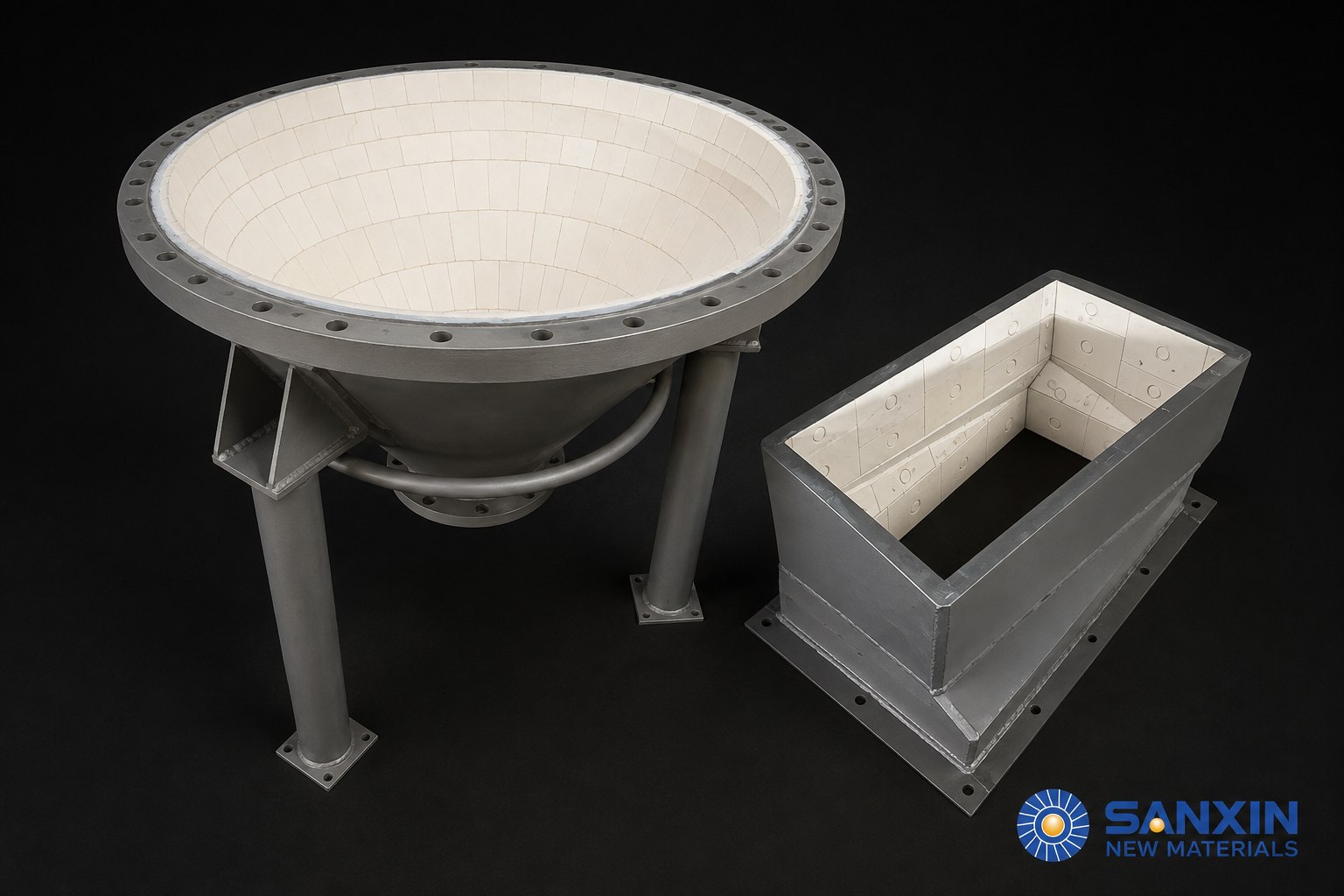
Assess a ceramic feed-chute retrofit with a documented landing zone, installed boundaries and operating changes rather than borrowing an unrelated success claim.
Align finished passage, connections, support and inspection requirements before comparing a steel pipe replacement with a ceramic-lined alternative.
Record feed trajectory, loading and operating changes when a chute is relined so the resulting wear observations can be interpreted fairly.
Connect a recurring wear repair to an assigned cause review, accepted correction and follow-up observation before treating the next replacement as a solved problem.
Clarify the intended cleaner contact, belt construction, splice compatibility and equipment approval before considering a ceramic wear element.
Use oriented boundary observations and the approved mill geometry to distinguish expected abrasive contact from a possible fit, movement or clearance issue.
Preserve a retired ash spool's orientation and wear map while using verified accepted dimensions for a ceramic-lined replacement.
Compare where a ceramic pipe assembly will be lined by reviewing removal access, substrate condition, installation checks and responsibility boundaries.
Reassess the actual contacting liquid, deposits and cleaning exposure when a ceramic-lined environmental-process component enters a changed recycle duty.
Review retained liner condition, level changes, support and removal sequence when renewing only part of a ceramic composite conveying liner.
Use an assembly material list to review ceramic, backing, rubber, adhesive and fixing requirements within the coal plant's existing equipment and safety process.
Build useful ceramic liner photo records with component identity, orientation, reference locations and explicit limits on what a photograph establishes.
Review slurry pipe ceramic lining across normal transfer, flushing and idle exposure while keeping chemical, retention and pressure responsibilities distinct.
Specify ceramic-lined pipe thermal conditions with starts, stops, local differences and attachment limits rather than relying on one ceramic temperature value.
Review a repeatedly patched ceramic lining through current dimensions, retained surfaces, accepted revisions and substrate condition before ordering new parts.
Review ceramic rubber composite lining where fines or liquid appear at panel boundaries by preserving ingress observations, interface identity and support condition.
Review the supporting metal, retaining features and inspection records of a welded-retention ceramic liner proposal for a sinter windbox.
Identify the exact stationary coal-mill wear surface, adjacent moving parts and inspection requirements before considering a ceramic tile change.
Review what a dust-duct access opening can reveal about ceramic lining condition before accepting the coverage and maintenance plan.
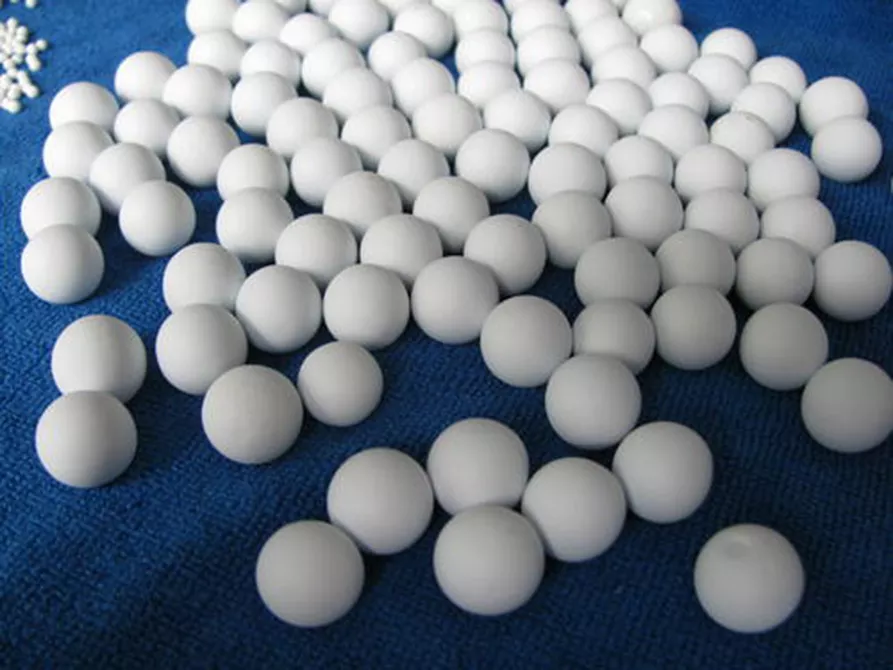
Plan a cement grinding-media evaluation that retains feed, product acceptance and equipment limits while separating grinding results from media consumption.

Submit your demand,
we will contact you ASAP.

Sanxin New Materials Co., Ltd. focus on producing and selling ceramic beads and parts such as grinding media, blasting beads, bearing ball, structure part, ceramic wear-resistant liners, Nanoparticles Nano Powder


 English
 English
 Russian
 French
 Spanish
 Portuguese
 Arabic