
Explore Sanxin technical guides →
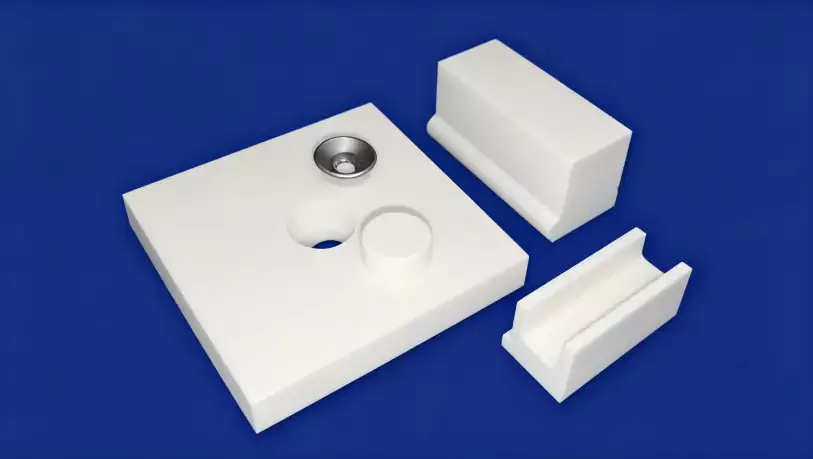
Link alumina compatibility information to the actual process medium and maintain a change record when chemistry or cleaning conditions are revised.
Define chemical identity, concentration, temperature and assembly contact before discussing alumina compatibility in acid or alkali service.
Keep local face measurements, missing components and operating exposure separate so a ceramic trial's reported wear quantity answers a defined question.
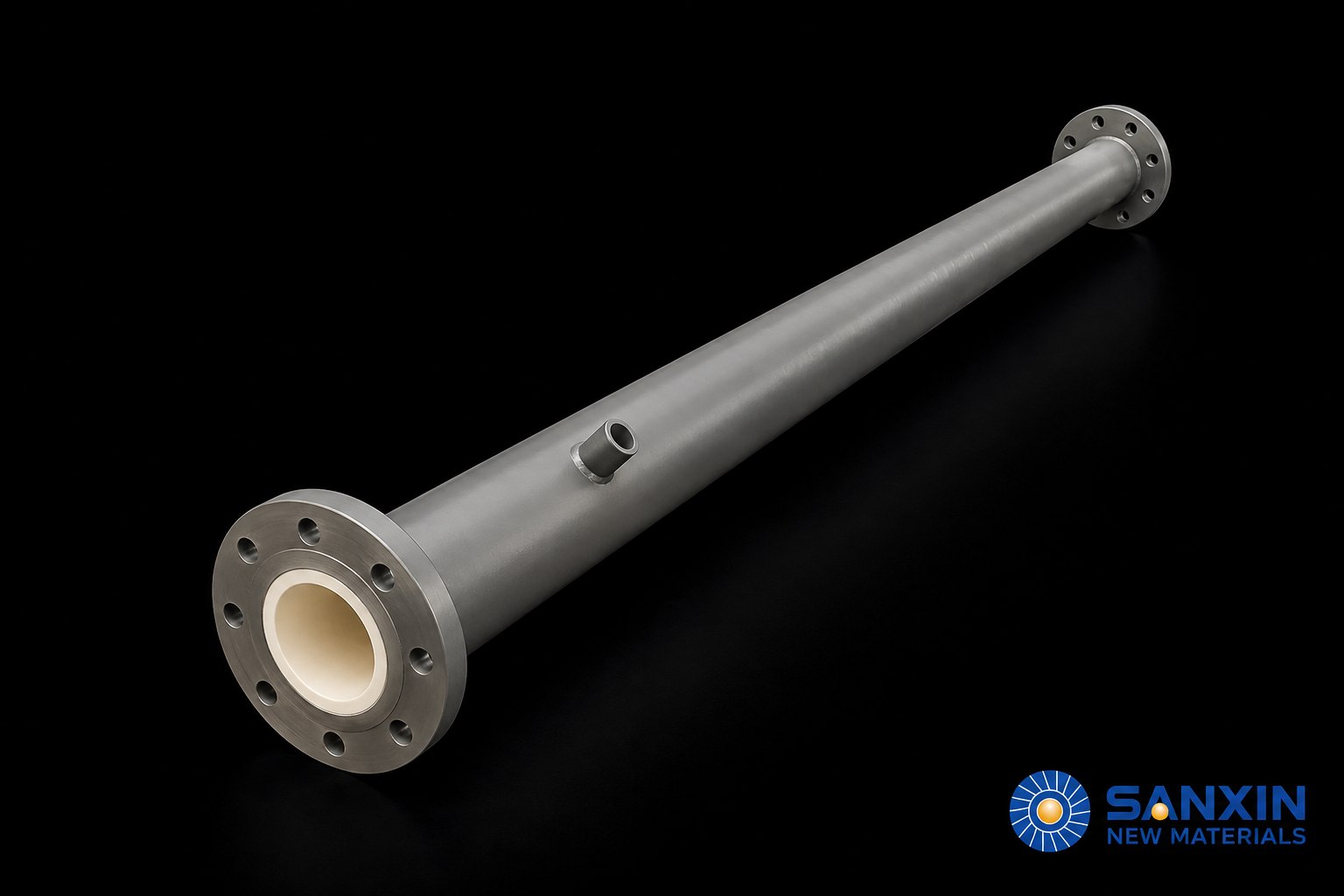
Coordinate ceramic lined pipe selection with the existing containment and integrity requirements of an environmental process transfer line.
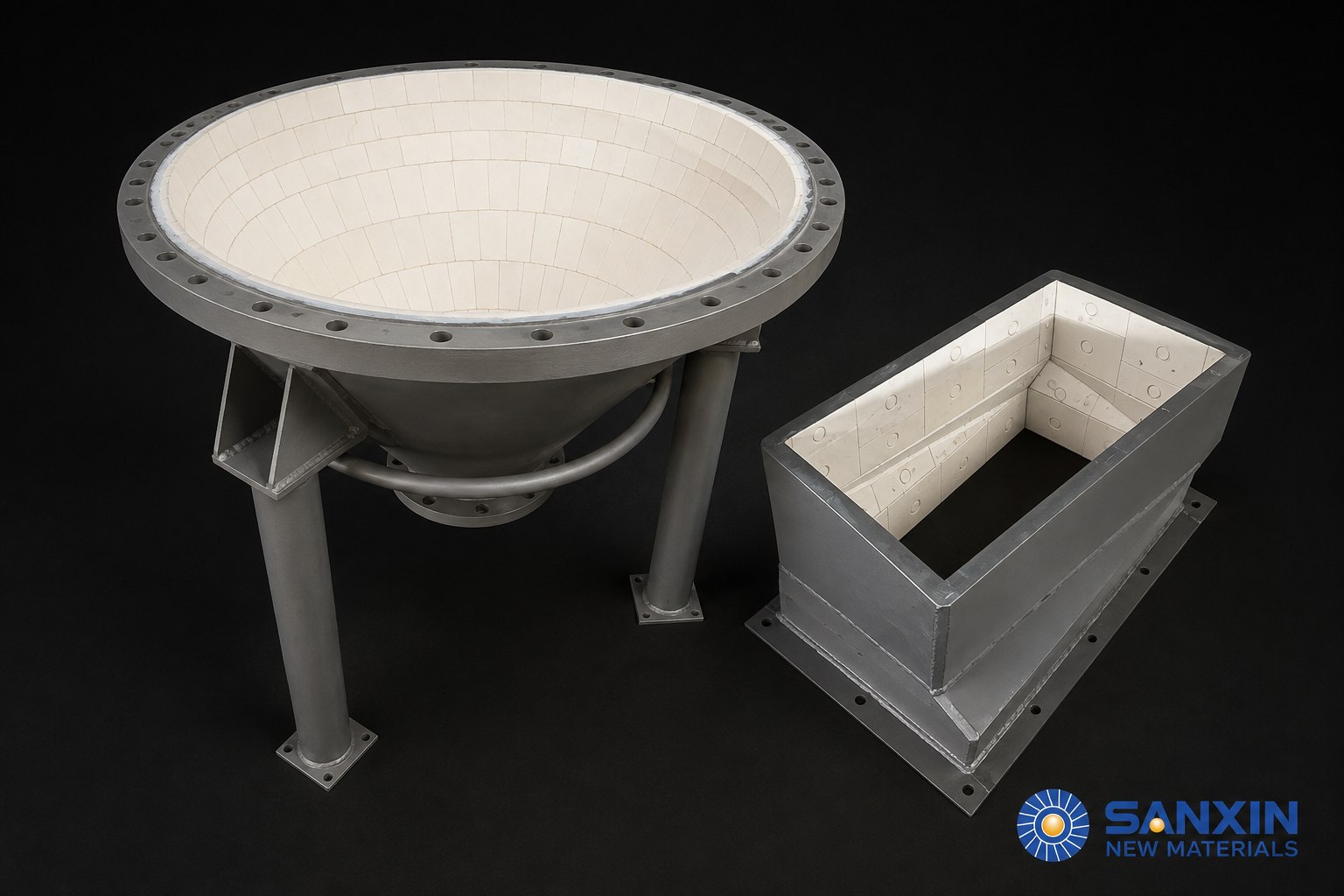
Keep panel identity, accepted condition and location-specific exposure traceable when a maintenance strategy reuses or relocates ceramic chute protection.
Report condition and exposure accurately when a cement liner trial is removed or paused before reaching its defined replacement endpoint.
Separate verified installed facts from unknown material and concealed-work history when rebuilding documentation for an existing ceramic wear lining.
Build a mining-fleet spare matrix that distinguishes genuinely interchangeable ceramic components from similar-looking parts with different duty or revisions.
Distinguish worn-wall, joint and access-boundary findings when evaluating a ceramic retrofit intended to address powder loss from a production system.
Identify the actual Raymond mill component, function and approved interfaces before considering ceramic wear protection for a repair.
Review process chemistry, exposed joints and equipment function when considering ceramic protection for a flotation component.
Define the wear surface, finished geometry and equipment review needed before considering ceramic protection in a magnetic separator.
Review the outlet hopper, adjoining duct and lining transitions together when considering ceramic protection downstream of a coal mill.
Evaluate a ceramic lined pipe proposal against route support, connection access and removal requirements in a mining installation.
Coordinate ceramic lining acceptance with power plant coal-transfer maintenance release without claiming that wear protection certifies system safety.
Check ceramic rubber steel panel boundaries, throat clearance and replacement access when evaluating a steelworks feed hopper lining.
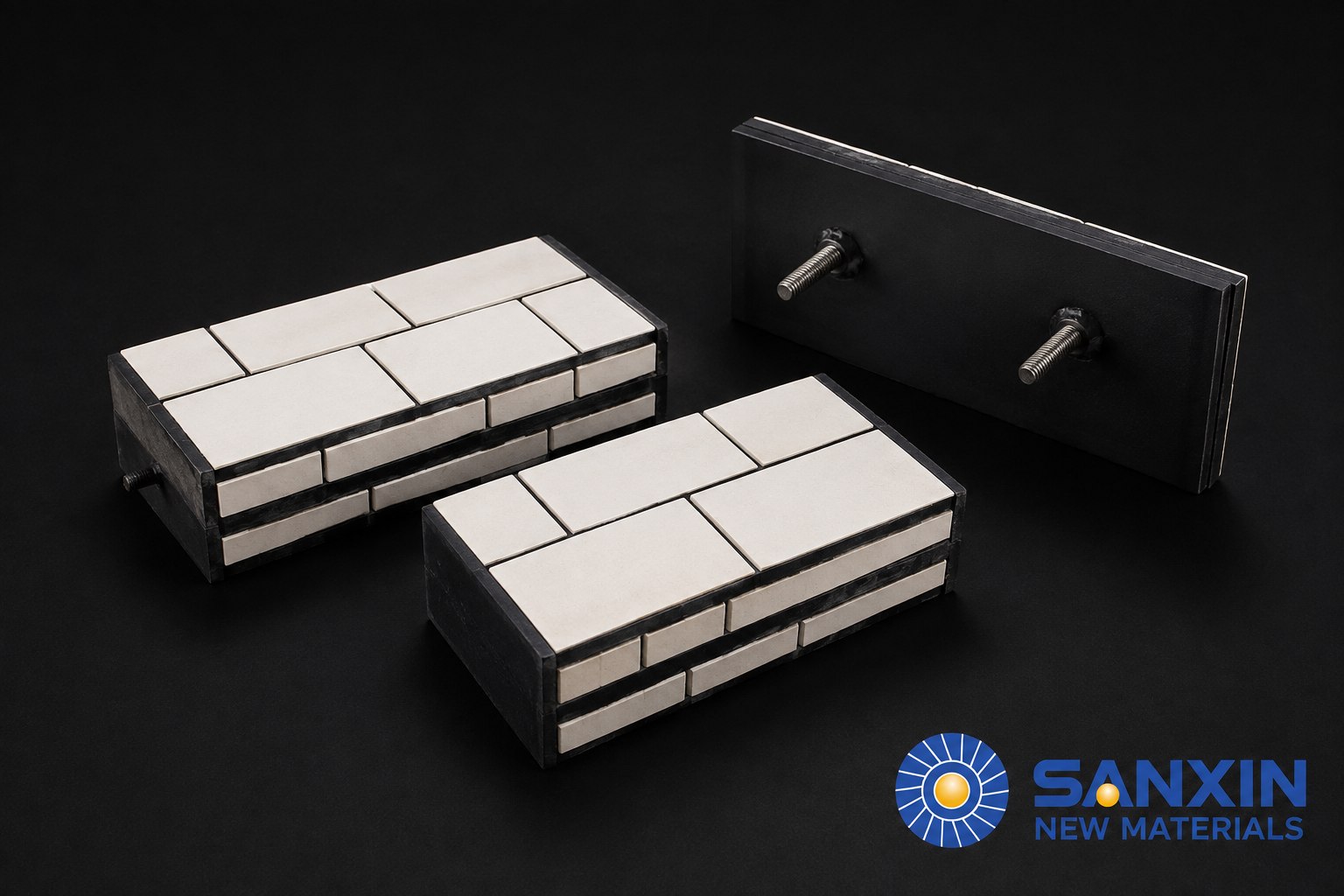
Describe wet solids, cleaning and interface exposure when evaluating a ceramic composite liner in coal washing equipment.
Review finished duct geometry, support and maintenance access before considering ceramic wear tiles in a dust extraction component.
Define a stationary fan casing wear region and its approved clearances before discussing ceramic tiles, keeping rotor modification outside an assumed lining scope.
Distinguish deposits, altered geometry and operating changes when assessing whether ceramic lining addresses a separator discharge-chute problem.
Review how an accepted dust-duct cleaning procedure interacts with ceramic joints, boundaries and attachment before relying on the lining's wear properties.
Check material identity, exposure conditions and evidence limits before using a chemical-compatibility statement to accept an alumina-lined assembly.
Define the equipment and usable-output boundary before attributing a quartz plant's measured energy change to ceramic wear protection.
Check ceramic lining terminations, finished openings and equipment clearances where a powder route meets a feeder, valve or other functional component.

Submit your demand,
we will contact you ASAP.

Sanxin New Materials Co., Ltd. focus on producing and selling ceramic beads and parts such as grinding media, blasting beads, bearing ball, structure part, ceramic wear-resistant liners, Nanoparticles Nano Powder


 English
 English
 Russian
 French
 Spanish
 Portuguese
 Arabic