
Explore Sanxin technical guides →
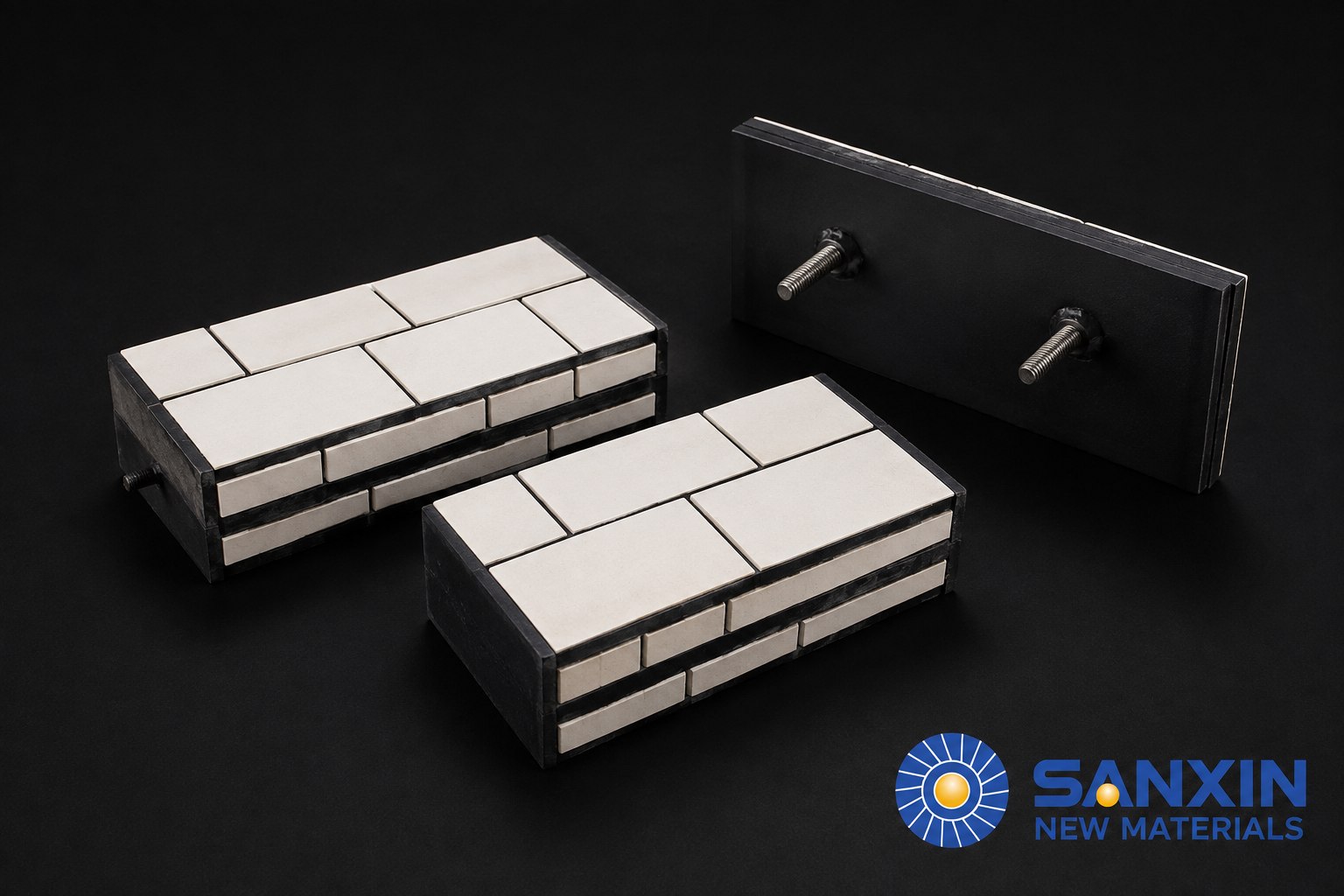
Review exposed mounting features in ceramic rubber panels with their support, material contact, accessible inspection and approved installation detail.
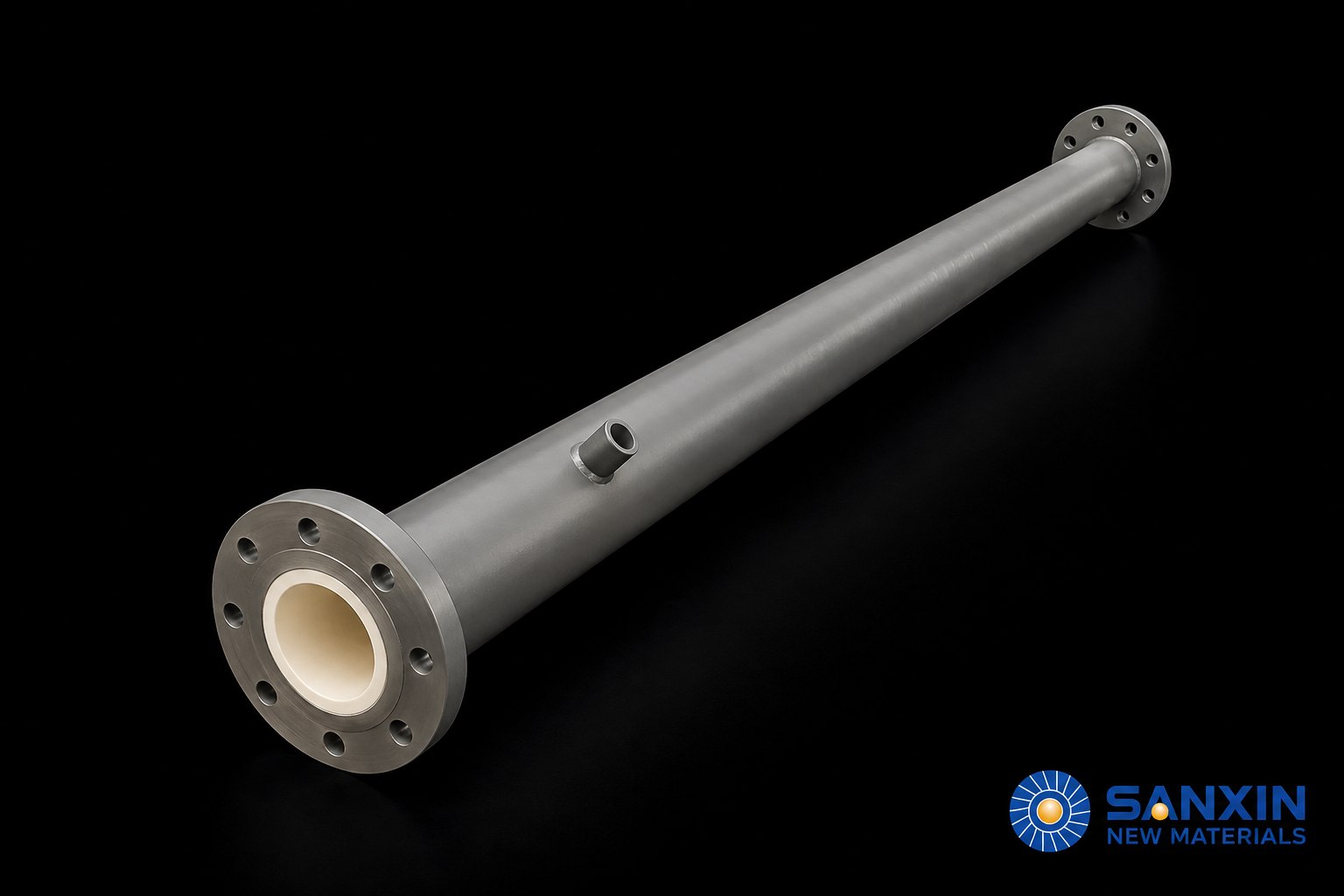
Use ceramic pipe reference images to frame drawing and construction questions without treating a photograph as evidence of every capability or hidden feature.
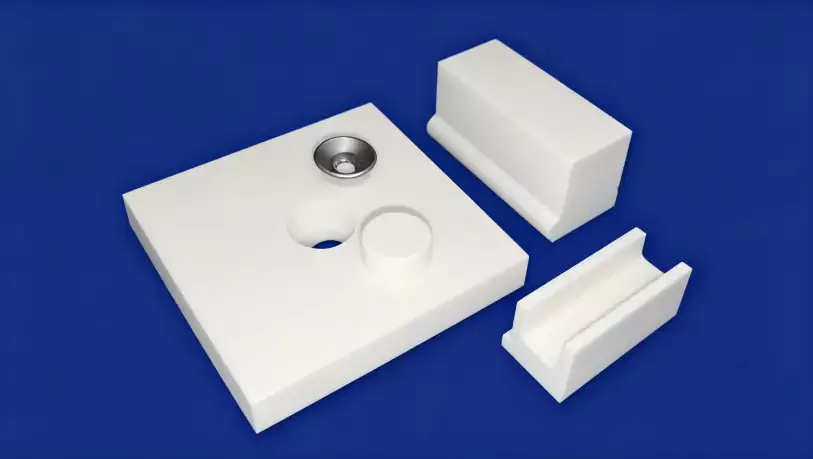
Resolve ceramic tile and lining brick terminology through the supplied geometry, set composition and acceptance requirements instead of assuming the names define universal product classes.
Build a site-specific purchase forecast from identified maintenance demand and planned changes rather than applying broad ceramic industry growth statements to spare orders.
Investigate unexpected particles around a ceramic-lined battery powder route with sample identity, contact-material records and process-owner review preserved.
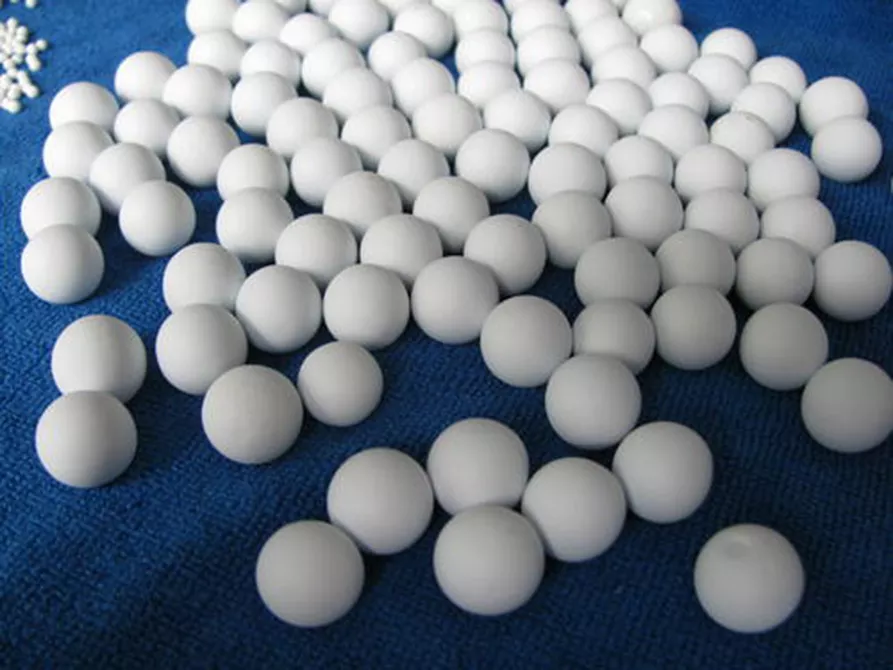
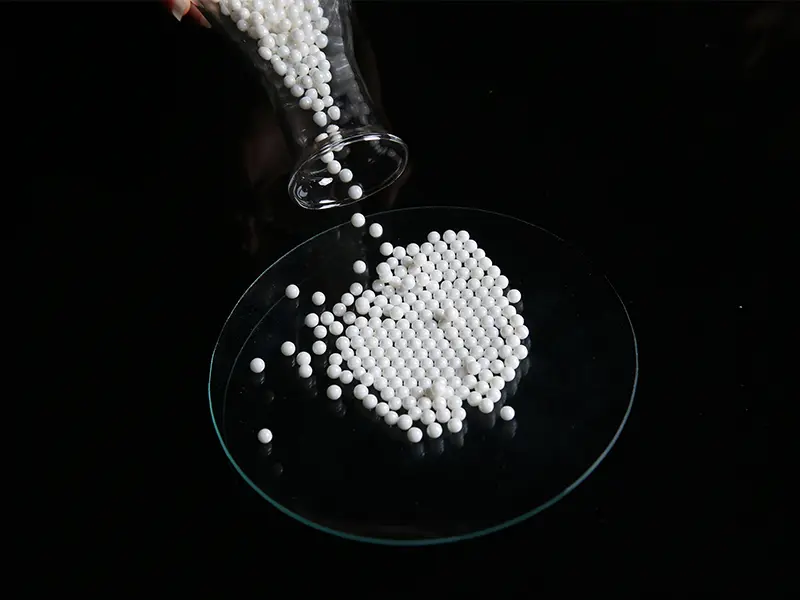
Plan incoming alumina ball checks around lot identity, agreed size information, condition and the mill-approved media requirements before charging.
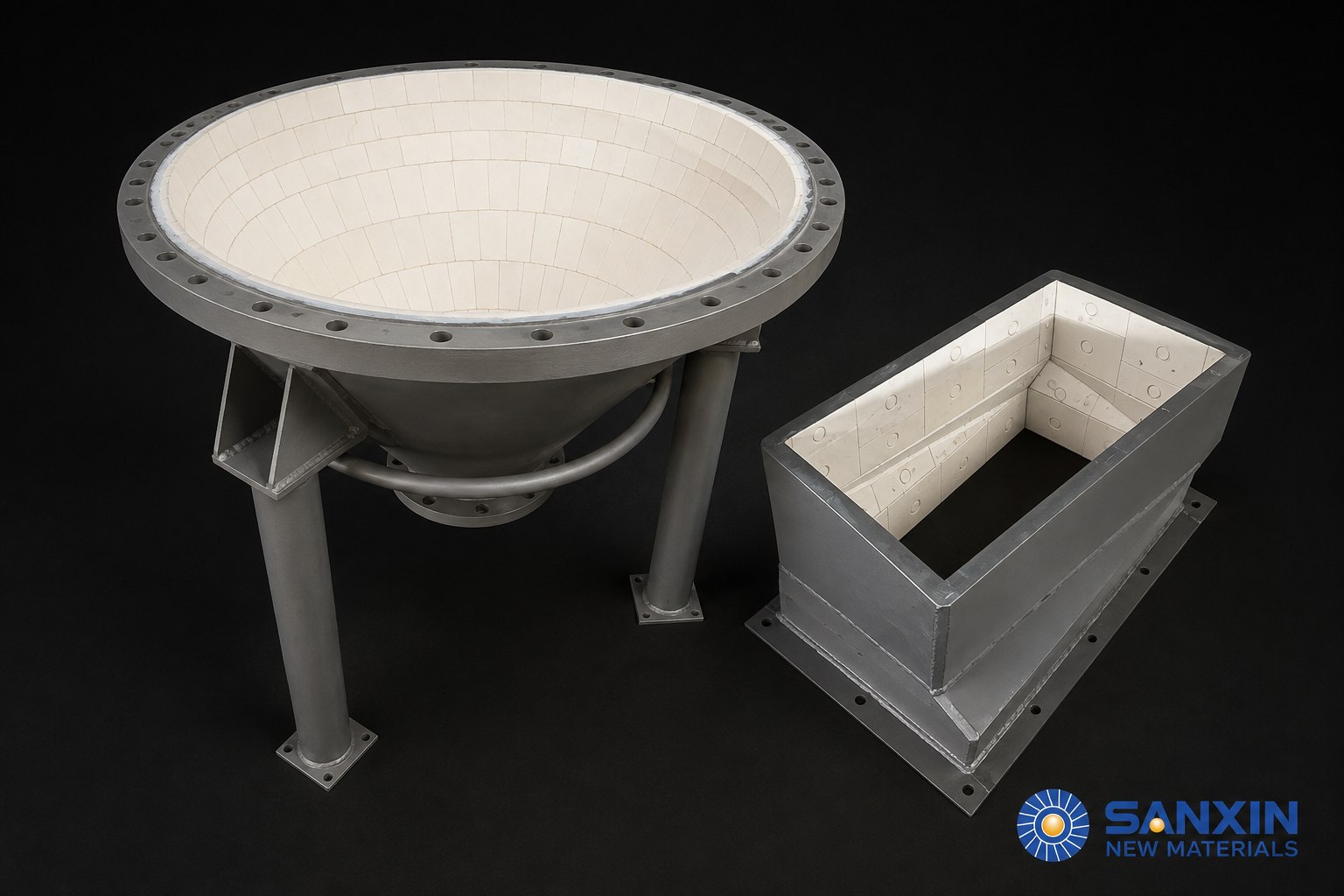
Investigate media damage reported after ceramic brick relining with controlled geometry, charge history and installed condition preserved for owner review.
Review a reused pipe shell with verified condition, geometry and pressure responsibilities defined separately from the proposed ceramic lining construction.
Review ceramic protection in a crusher feed chute by mapping landing contact, fixed openings, support and equipment-owner approval of any geometry change.
Define which evidence will accept, hold or reject an alumina wear ceramic order before examining the supplier results, keeping material and assembly questions separate.
Distinguish condition-driven ceramic liner replacements from planned changes, damage investigations and opportunity work before using maintenance counts as wear evidence.
Use the accepted hydrocyclone geometry and revision to specify ceramic liner parts, separating wear replacement from an unreviewed change to functional internal dimensions.
Review coal drop-pipe ceramic protection with the loading sequence, changing landing region, joint support and accepted outlet geometry documented.
Review ceramic rubber liner proposals for port equipment with local weather, washdown, storage, backing condition and handling constraints identified.
Review ceramic-lined spools connected near power-plant pumps with approved connection geometry, support, process exposure and owner-defined acceptance.
Evaluate mining ceramic liner observations with ore-campaign identity, feed characteristics and process changes retained alongside the inspection record.
Identify the removable cover, frame and retained lining together when reviewing ceramic protection at a coal drop pipe maintenance feature.
Tie cement product samples to feed, charge and operating stages so early and later observations remain interpretable during a ceramic-media evaluation.
Check whether a ceramic rubber steel panel's reference evidence represents the support and mounting intended for the industrial installation.
Use chemical-exposure evidence at its actual specimen boundary and identify the extra questions posed by joints, seals and retained interfaces.
Keep accepted cyclone dust-collector geometry, section transitions and outlet interfaces identified when assessing a ceramic lining renewal.
Define what an approved ceramic reference sample represents and preserve its identity when comparing future parts or lining batches.
Define stock, charge, additions and removals consistently when using a grinding-media consumption record to compare ceramic options.
Distinguish auxiliary wear surfaces from other boiler functions before discussing a ceramic construction, thermal exposure and equipment acceptance.

Submit your demand,
we will contact you ASAP.

Sanxin New Materials Co., Ltd. focus on producing and selling ceramic beads and parts such as grinding media, blasting beads, bearing ball, structure part, ceramic wear-resistant liners, Nanoparticles Nano Powder


 English
 English
 Russian
 French
 Spanish
 Portuguese
 Arabic