
Explore Sanxin technical guides →
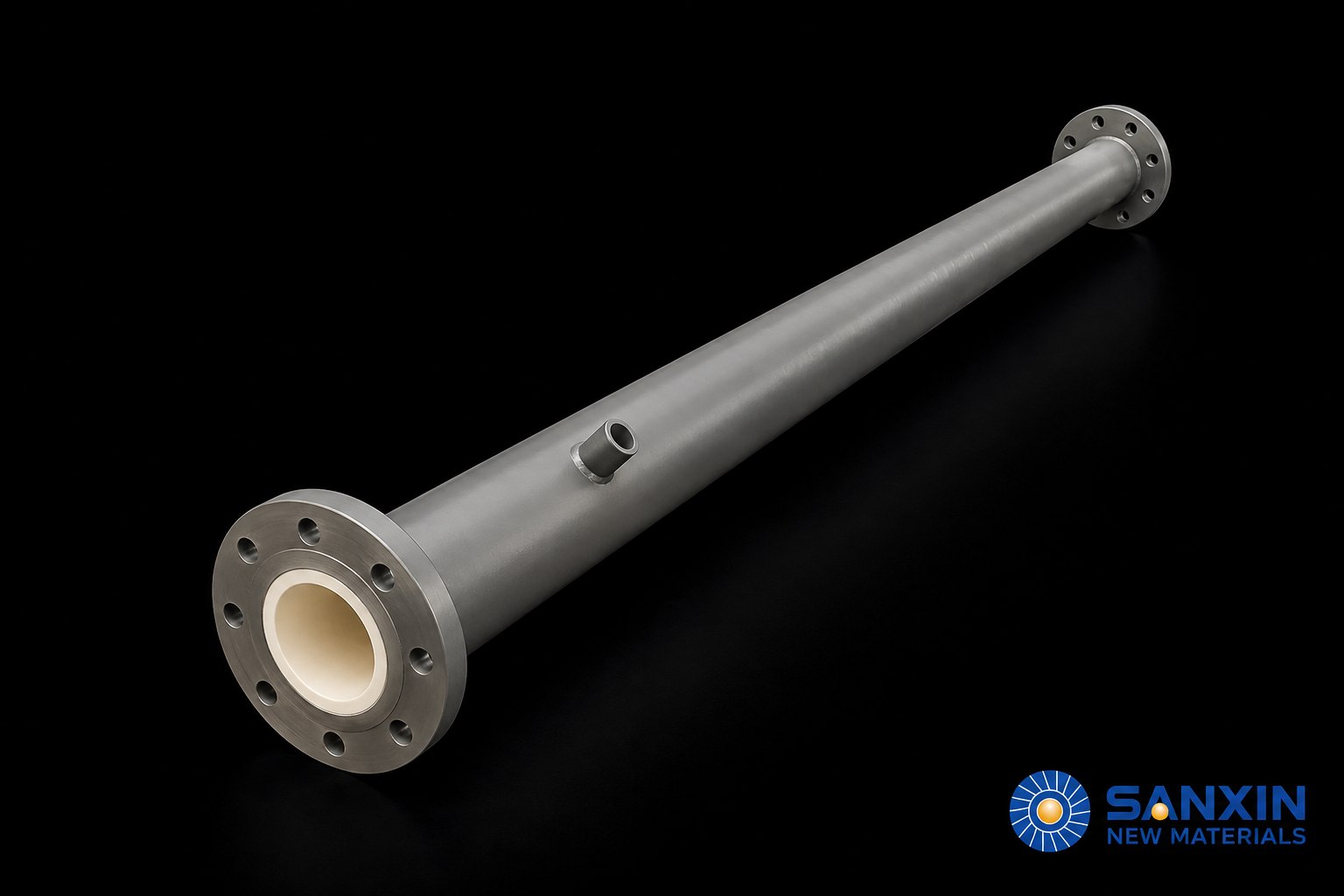
Resolve the location and intended function of ceramic protection before treating a product name or external photograph as evidence of an internally lined passage.
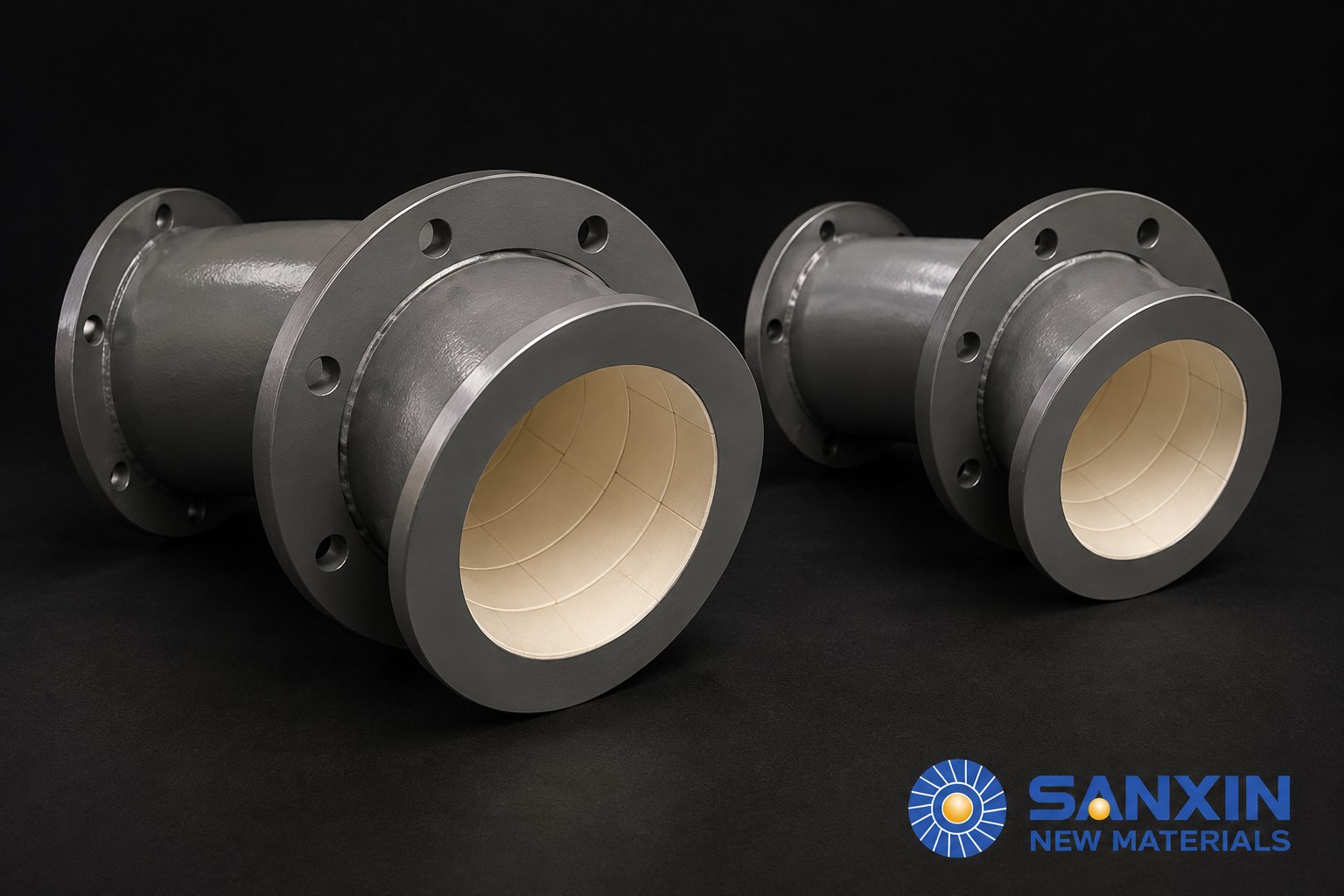
Identify end rows and termination pieces on a tile-lined elbow drawing so a repeating internal pattern does not leave the connection completion undefined.
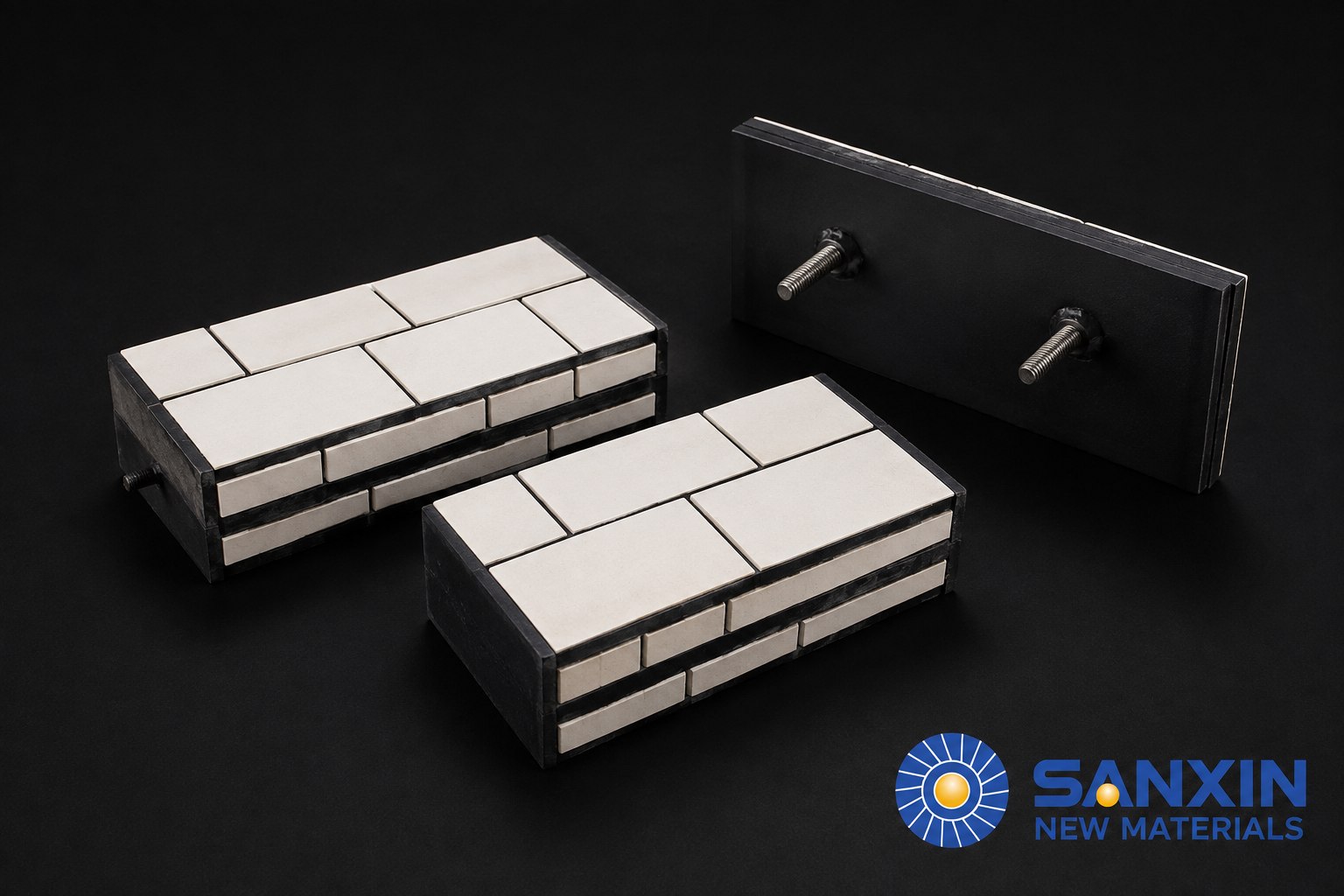
Distinguish first observed damage, a specified inspection endpoint and final test termination when interpreting ceramic rubber composite impact evidence.
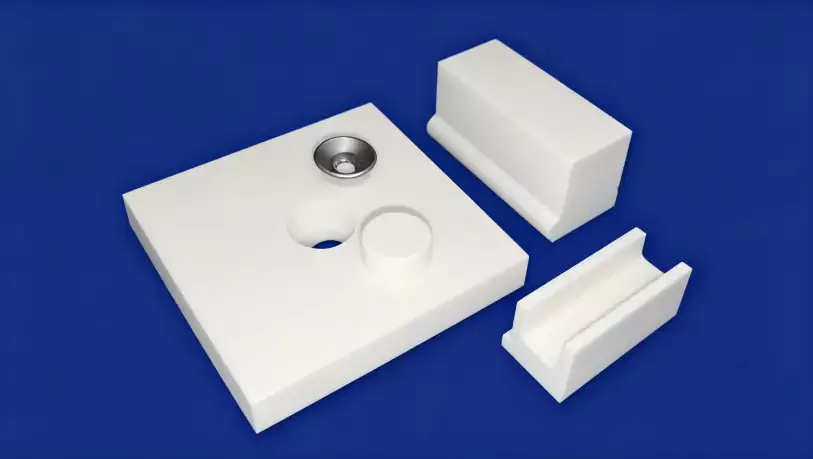
Distinguish a nominal composition comparison from evidence of consistency across delivered ceramic lots and the actual application requirement.
Keep authorized manufacturing rework and final construction evidence traceable when a ceramic rubber composite panel differs from its initial production state.
Agree sample allocation and the status of the remaining ceramic rubber panel before commissioning an examination that changes the supplied item.
Describe the actual operating routes and bypass conditions represented by a ceramic lined pipe inquiry instead of relying only on normal production duty.
Keep temporary ceramic pipe covers and internal protection identifiable through handling so their disposition is clear before the installed boundary is closed.
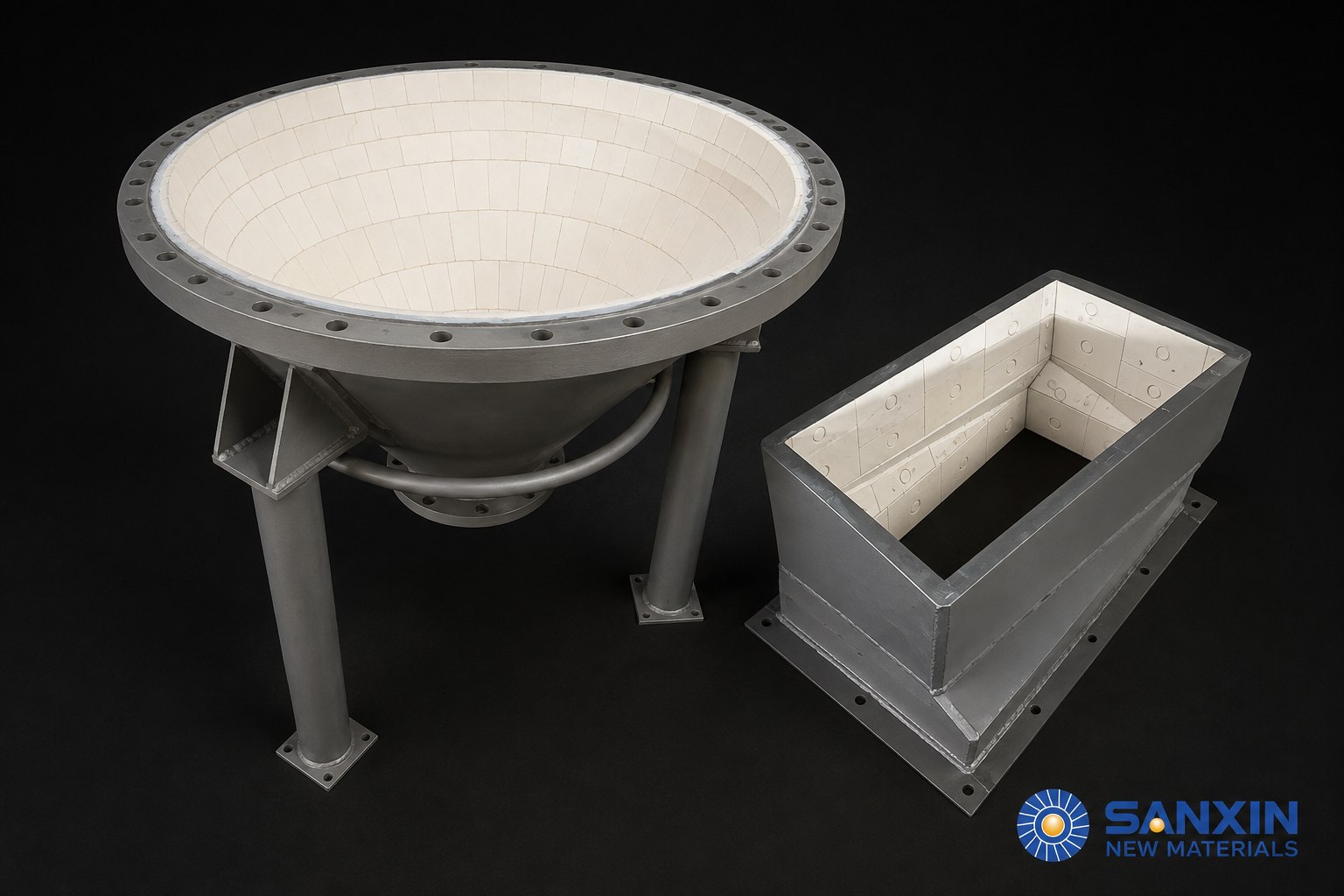
Close the allocation of identified ceramic spares when maintenance work is canceled or postponed, keeping reservation, physical stock and technical acceptance separate.
Distinguish unused full tiles, altered pieces and removed items when closing an installation stock record against the actual ceramic lining layout.
Agree whether deposits and residues should be retained before preparing a detached ceramic sample for a material or interface examination.
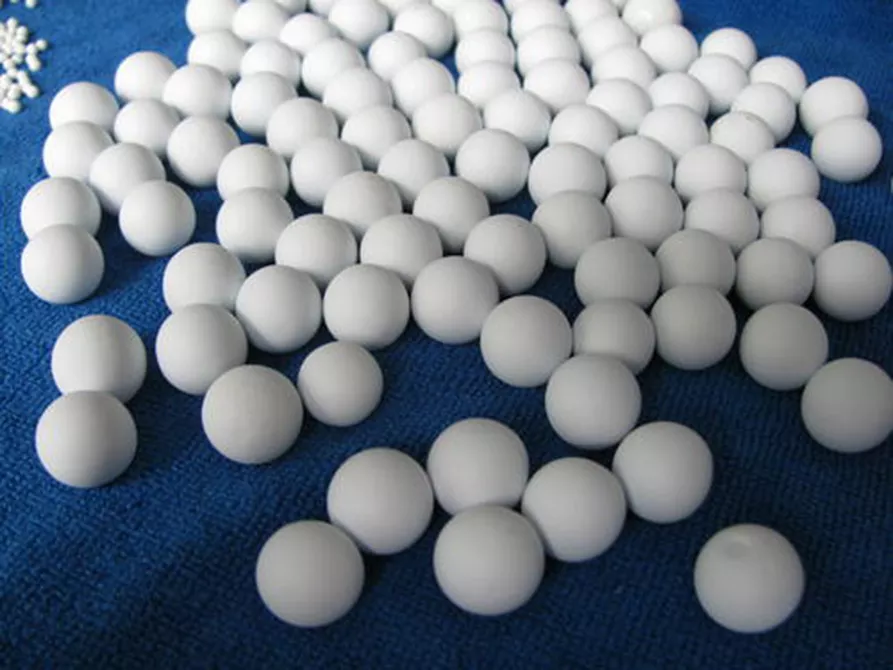
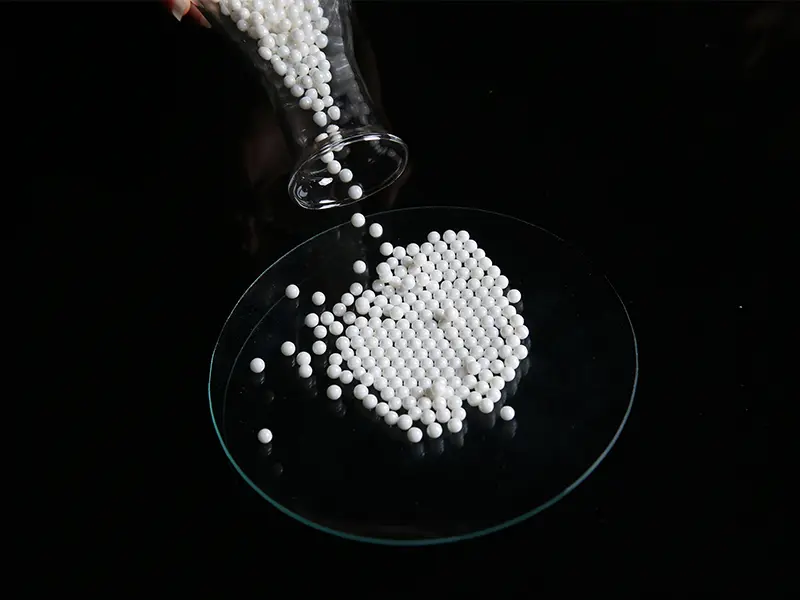
Keep gross shipment, packaging and accepted media quantity distinct before using delivery or issue records in an alumina grinding ball consumption comparison.
Resolve identity, liner termination and equipment acceptance when an original ceramic lined spool is proposed for shortening rather than assume the original release still applies.
Distinguish tile thickness measurements from the finished surface and support requirements when reviewing alumina wear pieces.
Compare identified reaction-formed and separately produced ceramic lining proposals through their actual material, interfaces and acceptance evidence.
Include the complete proposed assembly and support references when replacing a coal powder pipe spool with a ceramic lined construction.
Preserve units, measurement references and operating context when preparing ceramic application information across plants or suppliers.
Keep metallic work references and ceramic coverage linked so required examination and final construction records remain traceable before concealment.
Link ceramic pipe observations to the actual coal powder condition during the campaign rather than only the original fuel purchase description.
Use precise interface names when reviewing a composite liner so factory layer bonds and installed panel-to-panel boundaries are not treated as the same feature.
Separate detachment found during installation or handling from failures observed after accepted service when reviewing ceramic lining records.
Document a proposed change in ceramic liner attachment during a job so new and retained regions remain identifiable and correctly accepted.
Assess identity, prior condition and changed service before allocating a retained ceramic lined pipe to another process route.
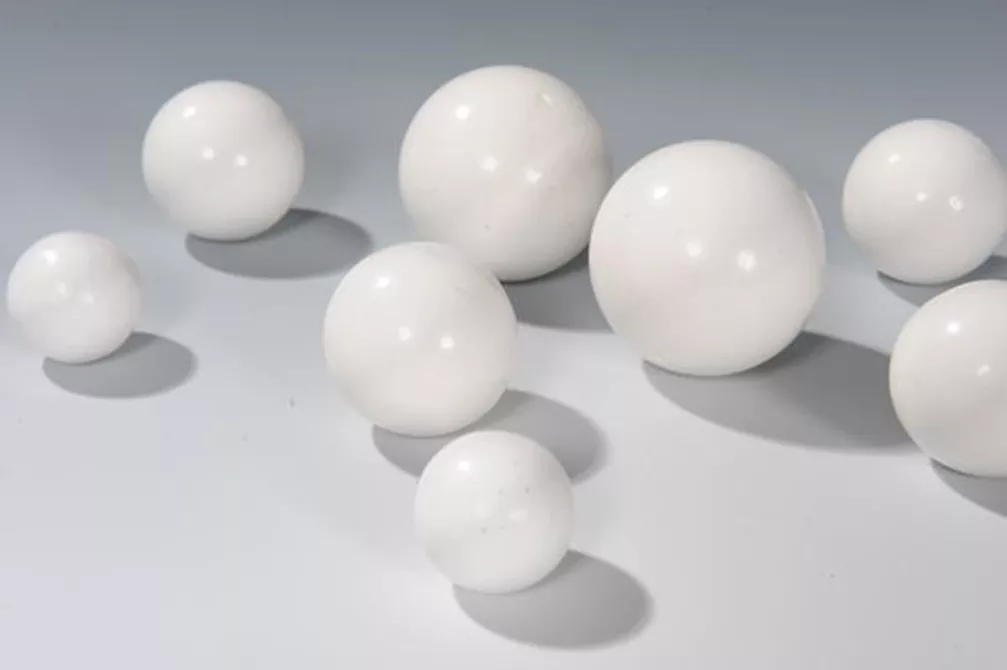
Preserve material and size identity from delivery into the owner-approved support bed record without inventing a layer design or equating spheres by appearance.

Submit your demand,
we will contact you ASAP.

Sanxin New Materials Co., Ltd. focus on producing and selling ceramic beads and parts such as grinding media, blasting beads, bearing ball, structure part, ceramic wear-resistant liners, Nanoparticles Nano Powder


 English
 English
 Russian
 French
 Spanish
 Portuguese
 Arabic